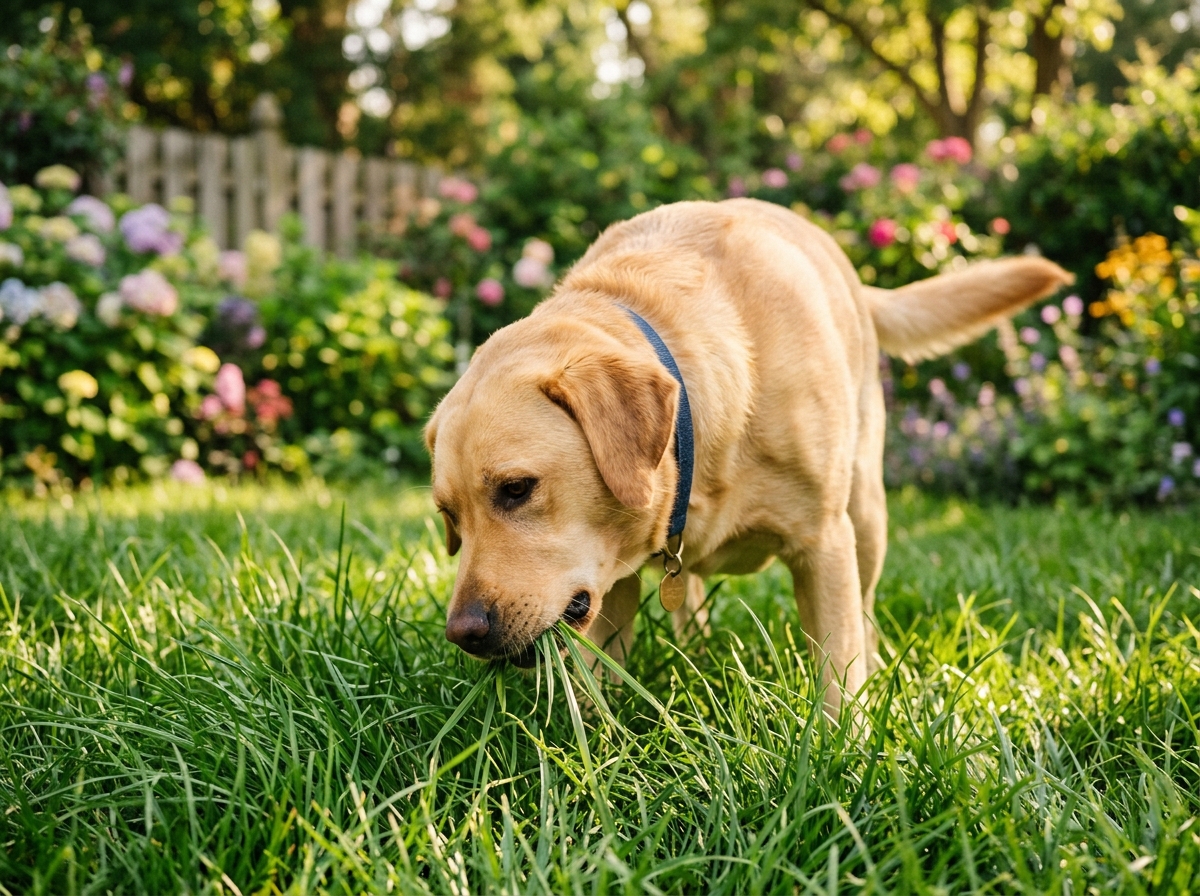
Dogs are known for some unusual behaviors, and one of the most common is eating grass. Many dog owners become concerned when they see their furry friend munching on the lawn and wonder if it signals a health problem. Fortunately, grass-eating is a normal behavior for many dogs and is usually not a cause for alarm.
Is It Normal for Dogs to Eat Grass?


Yes, eating grass is surprisingly common among dogs. Studies suggest that many dogs eat grass occasionally, even when they are healthy and well-fed. While experts are not entirely certain why dogs do this, several theories exist.
Some dogs simply enjoy the taste or texture of grass. Others may eat it out of curiosity, boredom, or as part of their natural instincts inherited from wild ancestors.
Common Reasons Dogs Eat Grass
1. Natural Instinct
Wild canines often consume plant material while hunting prey. Domestic dogs may retain some of these ancestral behaviors, leading them to nibble on grass from time to time.
2. Boredom or Entertainment
Dogs that lack mental stimulation or exercise may explore their environment by chewing on grass. This behavior can become a way to pass the time.
3. Dietary Needs
Some experts believe dogs may seek additional fiber when eating grass. Fiber helps support healthy digestion, although most commercial dog foods already provide adequate amounts.
4. Enjoyment
Sometimes the simplest explanation is the correct one. Many dogs appear to enjoy the taste of fresh grass, especially during spring and early summer when it is tender and lush.
5. Upset Stomach
A popular belief is that dogs eat grass to induce vomiting when they feel unwell. While some dogs do vomit after eating grass, research suggests that most dogs do not. Therefore, stomach upset may explain some cases but not all.
When Should You Be Concerned?


Grass-eating is usually harmless, but you should consult a veterinarian if your dog:
- Eats grass excessively or obsessively.
- Frequently vomits after eating grass.
- Shows signs of illness such as lethargy, diarrhea, or loss of appetite.
- Appears to be eating grass instead of regular food.
- Consumes grass treated with pesticides, herbicides, or fertilizers.
These symptoms may indicate an underlying medical or nutritional issue that requires professional attention.
How to Reduce Grass-Eating Behavior
If you want to discourage your dog from eating grass, consider these strategies:
- Increase daily exercise and playtime.
- Provide interactive toys and mental enrichment.
- Ensure your dog is eating a balanced, high-quality diet.
- Teach a “leave it” command during walks.
- Offer safe chewing alternatives.
In many cases, keeping your dog mentally and physically engaged can significantly reduce grass-eating habits.
Final Thoughts
Seeing your dog eat grass can be surprising, but it is usually a normal canine behavior. Most dogs occasionally nibble on grass without experiencing any health problems. However, if the behavior becomes excessive or is accompanied by other symptoms, a visit to the veterinarian is the best way to rule out any underlying concerns. By understanding why dogs eat grass, owners can better monitor their pets and ensure they remain healthy and happy.