Bringing home a new puppy is an exciting experience, but one of the most important responsibilities for any dog owner is proper socialization. Socialization helps puppies develop confidence, good manners, and the ability to handle new situations without fear or aggression. The critical socialization period generally occurs between 3 and 16 weeks of age, making early exposure essential.
This puppy socialization checklist will help ensure your furry friend grows into a well-adjusted and happy adult dog.
Why Puppy Socialization Matters
Socialization involves exposing your puppy to a variety of people, animals, environments, sounds, and experiences in a safe and positive way. Puppies that receive proper socialization are more likely to:
- Feel comfortable around strangers
- Get along with other dogs and pets
- Adapt to new environments
- Remain calm during unexpected situations
- Experience less anxiety and fear-related behavior
Without adequate socialization, puppies may become fearful, reactive, or difficult to manage as adults.
Meeting Different People


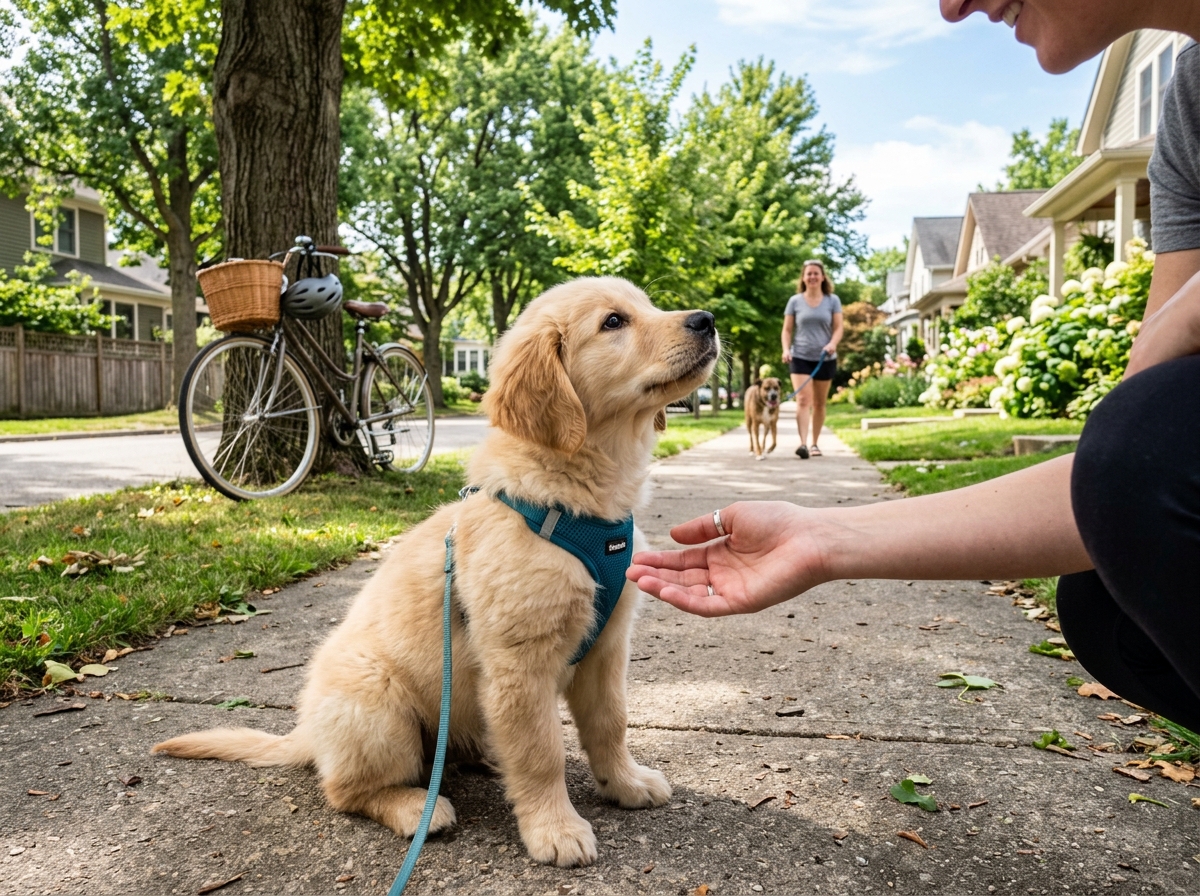
Your puppy should learn that people of all ages and appearances are friendly and safe.
Checklist:
- Men
- Women
- Children
- Elderly individuals
- People wearing hats
- People with sunglasses
- People using wheelchairs
- People with walkers or canes
- People in uniforms
- Visitors entering your home
Tip: Reward your puppy with treats and praise during each positive interaction.
Introducing Other Animals
Meeting different animals helps puppies learn appropriate social behavior.
Checklist:
- Friendly vaccinated dogs
- Puppies of similar age
- Large dogs
- Small dogs
- Cats
- Farm animals (if available)
- Birds
- Other household pets
Always supervise interactions and avoid overwhelming your puppy.
Exploring New Environments
Puppies should become comfortable in various locations and settings.
Checklist:
- Neighborhood walks
- Parks
- Pet-friendly stores
- Outdoor cafés
- Busy streets
- Quiet residential areas
- Parking lots
- Different floor surfaces
- Stairs
- Elevators
Allow your puppy to explore at their own pace while creating positive experiences.
Getting Used to Everyday Sounds


Noise sensitivity can develop if puppies are not exposed to common sounds early.
Checklist:
- Vacuum cleaner
- Washing machine
- Doorbell
- Television
- Traffic sounds
- Thunder recordings
- Fireworks recordings
- Lawn mowers
- Construction noises
- Sirens
Start with low volumes and gradually increase exposure while rewarding calm behavior.
Handling and Grooming Practice
Regular handling prepares puppies for veterinary visits and grooming sessions.
Checklist:
- Touching paws
- Examining ears
- Looking at teeth
- Brushing fur
- Nail trimming practice
- Wearing a collar
- Wearing a harness
- Gentle restraint
- Bath time introduction
Keep sessions short and positive to build trust.
Transportation Experiences
Many dogs become anxious during travel if they are not introduced to it early.
Checklist:
- Short car rides
- Longer car trips
- Crate travel
- Visiting the veterinary clinic
- Watching bicycles pass
- Exposure to buses and trucks
Use treats and toys to create positive travel associations.
Learning Basic Puppy Skills
Socialization should include basic training experiences.
Checklist:
- Responding to their name
- Sitting on cue
- Coming when called
- Walking on a leash
- Waiting calmly
- Settling in a crate
- Focus around distractions
Training builds confidence and strengthens the bond between you and your puppy.
Signs of Successful Socialization
A well-socialized puppy will generally:
- Approach new experiences with curiosity
- Recover quickly from surprises
- Remain relaxed around people and animals
- Display confidence in unfamiliar environments
- Show appropriate play behavior
Remember that every puppy develops at their own pace. The goal is not to force interactions but to create positive experiences that help your puppy feel safe and secure.
Final Thoughts
A comprehensive puppy socialization plan is one of the greatest gifts you can give your dog. By introducing your puppy to different people, animals, sounds, environments, and experiences during their early development, you’ll help build a confident, friendly companion for years to come. Consistency, patience, and positive reinforcement are the keys to successful socialization.