Living in an apartment doesn’t mean you can’t enjoy the companionship of a dog. Many dog breeds adapt exceptionally well to apartment living when given proper care, exercise, and attention. Whether you’re a first-time pet owner or looking for the perfect apartment-friendly dog, this guide covers everything you need to know.
Why Dogs Can Thrive in Apartments
Many people assume dogs need large backyards to be happy. In reality, most dogs care more about spending time with their owners than having endless outdoor space. With daily walks, mental stimulation, and a comfortable environment, dogs can live healthy and fulfilling lives in apartments.
Benefits of apartment living for dogs include:
- Closer interaction with owners
- Regular walking routines
- Better socialization opportunities
- Easier monitoring of your pet’s health and behavior
Best Dog Breeds for Apartment Living

Choosing the right breed is one of the most important decisions for apartment dwellers. Here are some excellent options:
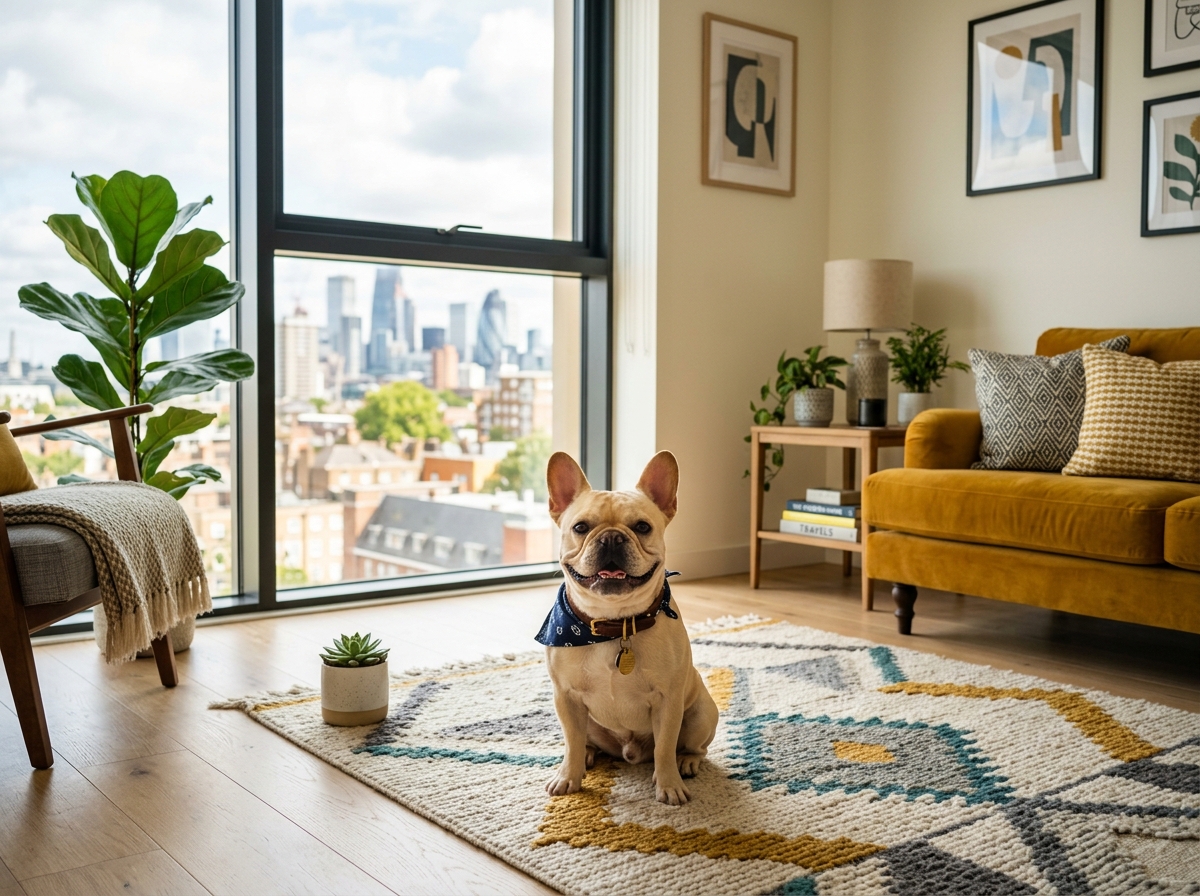
1. French Bulldog
French Bulldogs are calm, affectionate, and require moderate exercise. Their small size makes them ideal for apartments.
2. Cavalier King Charles Spaniel
These friendly dogs adapt well to smaller spaces and enjoy cuddling with their owners.
3. Pug
Pugs are playful, lovable, and don’t require excessive physical activity.
4. Shih Tzu
Known for their friendly temperament, Shih Tzus are comfortable in compact living spaces.
5. Greyhound
Surprisingly, Greyhounds are often called “45 mph couch potatoes” because they enjoy lounging around when indoors.
Essential Apartment Dog Supplies
Before bringing your dog home, make sure you have:
- Comfortable dog bed
- Food and water bowls
- High-quality dog food
- Leash and harness
- Interactive toys
- Waste bags
- Grooming supplies
- Crate or designated safe space
Having these essentials ready will help your dog settle into their new environment more quickly.
Creating a Dog-Friendly Apartment
A safe and comfortable environment is crucial for your pet’s well-being.
Dog-Proof Your Space
Remove hazards such as:
- Electrical cords
- Toxic plants
- Small objects that can be swallowed
- Cleaning chemicals
Establish a Dedicated Area
Provide your dog with a specific area containing:
- Their bed
- Favorite toys
- Water bowl
- Crate (if used)
This creates a sense of security and routine.
Exercise and Mental Stimulation
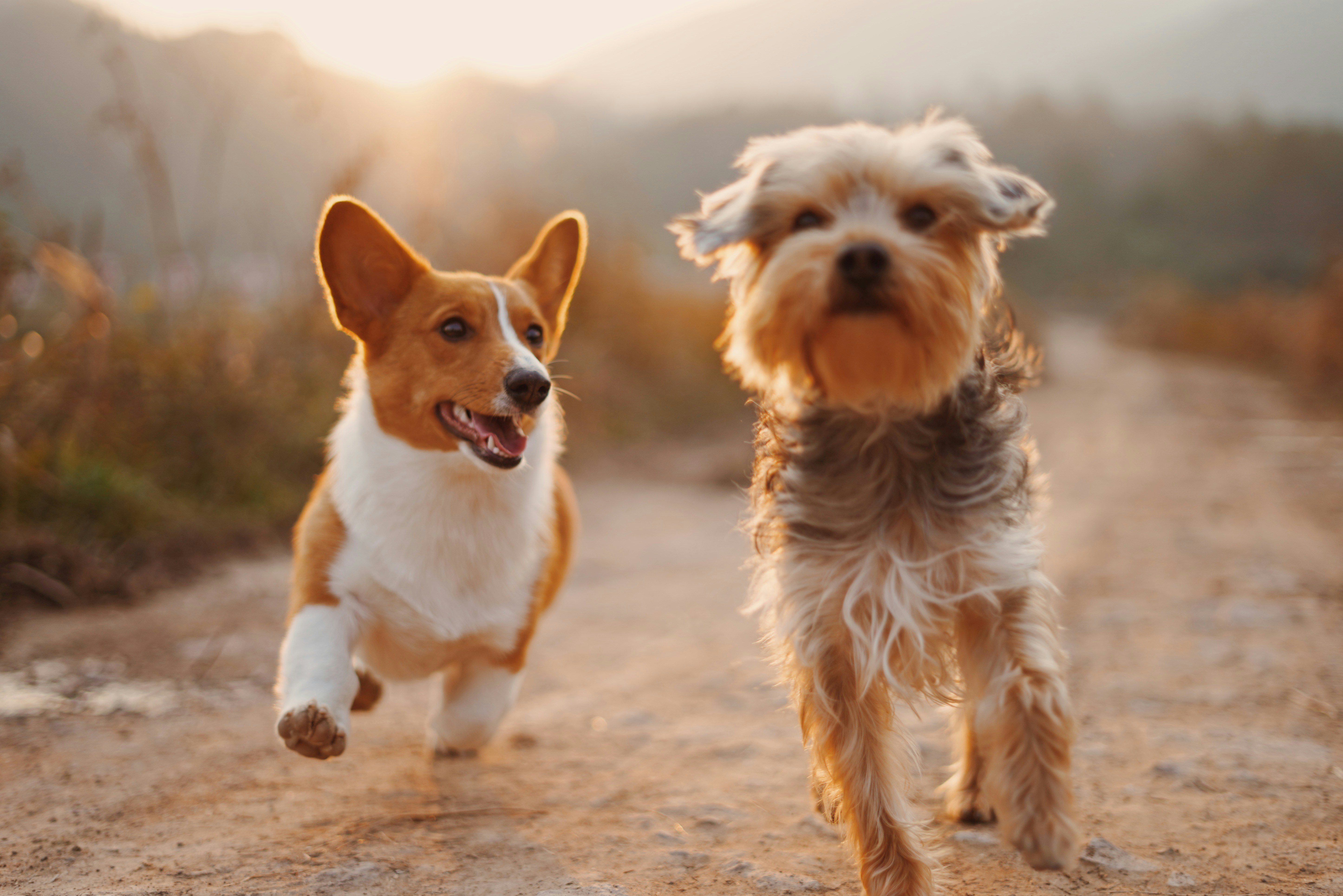
Even low-energy breeds need daily exercise.
Daily Walks
Aim for at least two to three walks per day. Regular walks help:
- Burn excess energy
- Maintain a healthy weight
- Improve behavior
- Provide mental enrichment
Indoor Activities
When outdoor exercise is limited, try:
- Puzzle toys
- Hide-and-seek games
- Basic obedience training
- Interactive feeders
Mental stimulation can be just as tiring as physical exercise.
Managing Barking in Apartments
Excessive barking can create problems with neighbors. To reduce barking:
- Identify triggers
- Provide enough exercise
- Use positive reinforcement training
- Avoid leaving your dog alone for long periods
- Offer engaging toys when you’re away
Consistency is key to building good habits.
Apartment Potty Training Tips
Potty training is especially important in apartment settings.
Maintain a Schedule
Take your dog outside:
- First thing in the morning
- After meals
- After naps
- Before bedtime
Reward Good Behavior
Praise and treats immediately after successful potty breaks help reinforce the desired behavior.
Consider Indoor Options
For puppies or extreme weather conditions, pee pads or indoor grass patches can be useful temporary solutions.
Dealing with Separation Anxiety
Many apartment dogs spend time alone while owners work. To minimize separation anxiety:
- Gradually increase alone time
- Leave interactive toys
- Maintain a predictable routine
- Avoid dramatic departures and arrivals
- Consider dog daycare for highly social dogs
Signs of anxiety include destructive behavior, excessive barking, and pacing.
Apartment Rules and Pet Policies
Before adopting a dog, review your apartment’s pet policies.
Check for:
- Breed restrictions
- Weight limits
- Additional pet deposits
- Monthly pet fees
- Noise regulations
Understanding these rules helps prevent future conflicts.
Keeping Neighbors Happy
Being a responsible dog owner benefits everyone in your community.
Remember to:
- Clean up after your dog
- Keep barking under control
- Use a leash in common areas
- Respect shared spaces
- Ensure your dog is properly socialized
Good neighbor relationships create a better living experience for everyone.
Final Thoughts
Apartment living and dog ownership can be a perfect combination when approached thoughtfully. Choosing the right breed, maintaining a consistent exercise routine, and creating a comfortable environment will help your dog thrive in a smaller space. With proper care and attention, your apartment can become a happy and loving home for both you and your furry companion.