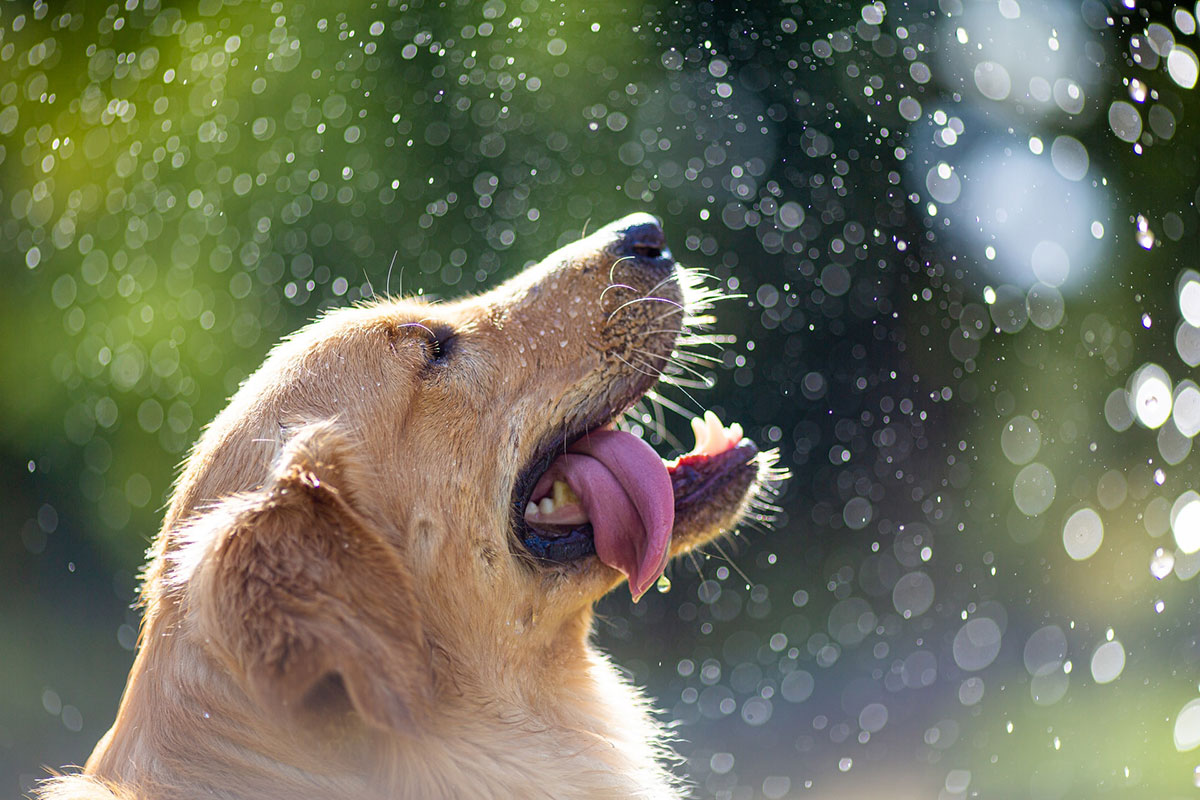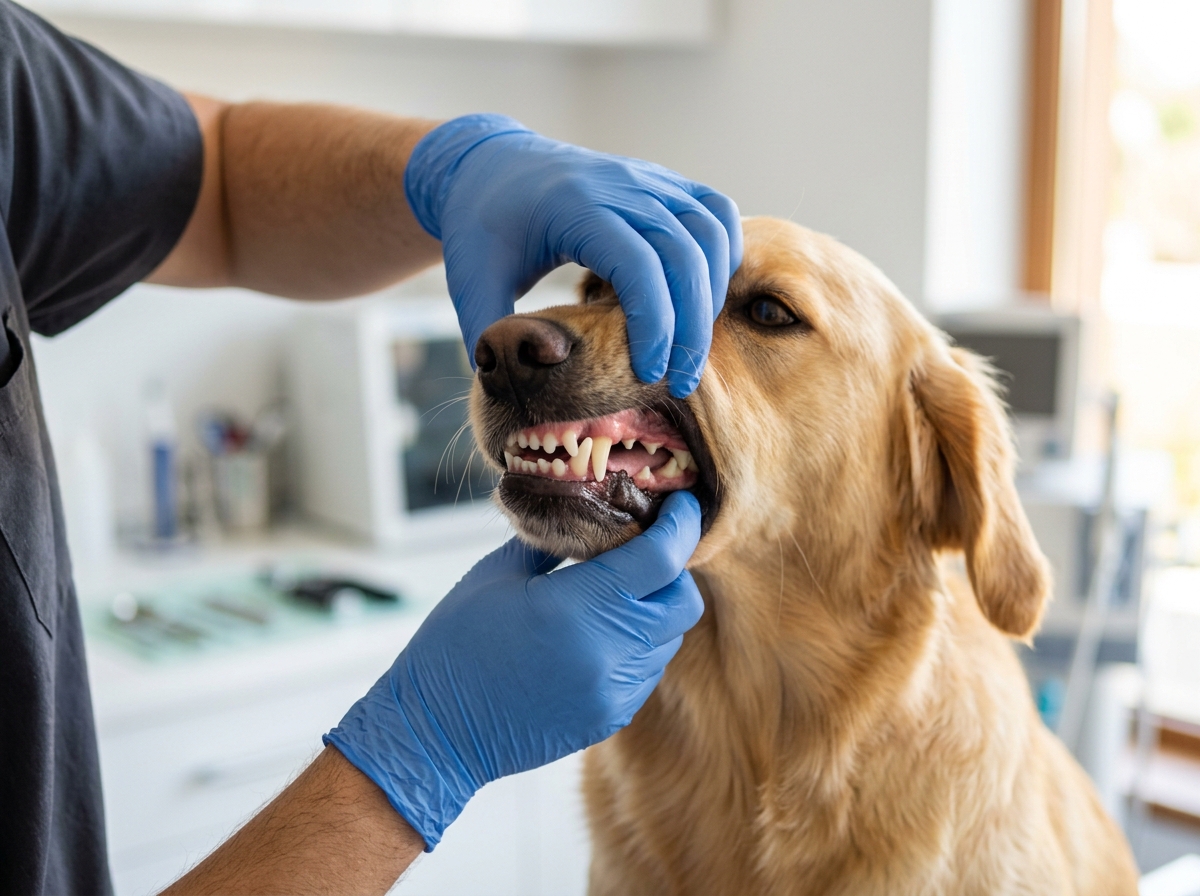
Have you ever leaned in to cuddle your dog only to be met with a foul smell coming from their mouth? While many pet owners assume that bad breath is normal in dogs, persistent unpleasant breath can actually be a sign of an underlying health issue.
In this article, we’ll explore the common causes of bad breath in dogs, when you should be concerned, and what you can do to keep your furry friend’s mouth fresh and healthy.
What Is Considered Normal Dog Breath?
Let’s be honest—dog breath isn’t usually minty fresh. However, it shouldn’t be overwhelmingly foul or offensive. A slight odor is normal, but a strong, rotten, fishy, or unusually bad smell may indicate a dental or medical problem that needs attention.
Common Causes of Bad Breath in Dogs
1. Dental Disease

Dental disease is the most common cause of bad breath in dogs. Plaque and tartar build up on the teeth over time, allowing bacteria to grow. This can lead to:
- Gingivitis (gum inflammation)
- Periodontal disease
- Tooth decay
- Oral infections
Studies suggest that most dogs over the age of three show signs of dental disease, making regular oral care essential.
2. Poor Oral Hygiene
Dogs that rarely have their teeth brushed are more likely to develop plaque buildup and bad breath. Food particles trapped between teeth create the perfect environment for bacteria to thrive.
3. Eating Something Unpleasant
Dogs are known for eating things they shouldn’t, including:
- Garbage
- Dead animals
- Feces
- Spoiled food
These habits can temporarily cause extremely bad breath and may even lead to digestive issues.
4. Oral Injuries or Foreign Objects
Sticks, bones, or other objects can become lodged in your dog’s mouth, causing irritation, infection, and a foul odor. Cuts or wounds inside the mouth may also contribute to bad breath.
5. Digestive Problems
Some gastrointestinal issues can affect your dog’s breath. If bad breath is accompanied by vomiting, diarrhea, loss of appetite, or stomach discomfort, a digestive problem may be involved.
6. Kidney Disease
Breath that smells like ammonia or urine can sometimes indicate kidney disease. When the kidneys aren’t functioning properly, waste products build up in the bloodstream and affect the odor of the breath.
7. Diabetes

Dogs with diabetes may develop sweet or fruity-smelling breath due to changes in blood sugar levels. This symptom should never be ignored, especially if accompanied by increased thirst, frequent urination, or weight loss.
8. Liver Disease
In some cases, liver disease can cause breath that smells musty or unusually foul. Other signs may include yellowing of the eyes or gums, decreased appetite, and lethargy.
Signs That Bad Breath May Be Serious
Contact your veterinarian if your dog has bad breath along with any of the following symptoms:
- Red, swollen, or bleeding gums
- Loose or missing teeth
- Difficulty eating
- Excessive drooling
- Weight loss
- Vomiting
- Increased thirst or urination
- Lethargy
- Mouth pain
These signs may indicate a more serious health condition requiring professional treatment.
How to Improve Your Dog’s Breath
Brush Your Dog’s Teeth
Regular brushing is one of the most effective ways to prevent plaque and tartar buildup. Use a toothbrush and toothpaste specifically designed for dogs.
Provide Dental Chews
Dental chews can help reduce plaque while satisfying your dog’s natural chewing instincts.
Schedule Regular Veterinary Dental Exams
Professional dental cleanings allow veterinarians to remove tartar buildup and identify problems before they become serious.
Offer Dental-Friendly Toys
Certain chew toys are designed to support oral health by helping clean teeth during play.
Feed a Balanced Diet
A high-quality diet contributes to overall health, including healthier teeth and gums.
Keep Fresh Water Available
Proper hydration helps wash away food particles and bacteria that contribute to bad breath.
Can Bad Breath Be Prevented?
In many cases, yes. Consistent dental care, regular veterinary checkups, and a healthy diet can significantly reduce the risk of bad breath and dental disease.
Prevention is always easier—and less expensive—than treating advanced dental problems later.
Final Thoughts
Bad breath in dogs is often more than just an unpleasant smell. While dental disease is the most common cause, underlying medical conditions such as kidney disease, diabetes, or liver problems may also be responsible.
If your dog’s breath suddenly worsens or is accompanied by other symptoms, schedule a visit with your veterinarian. With proper care and attention, you can help keep your dog’s mouth healthy and their breath much fresher.