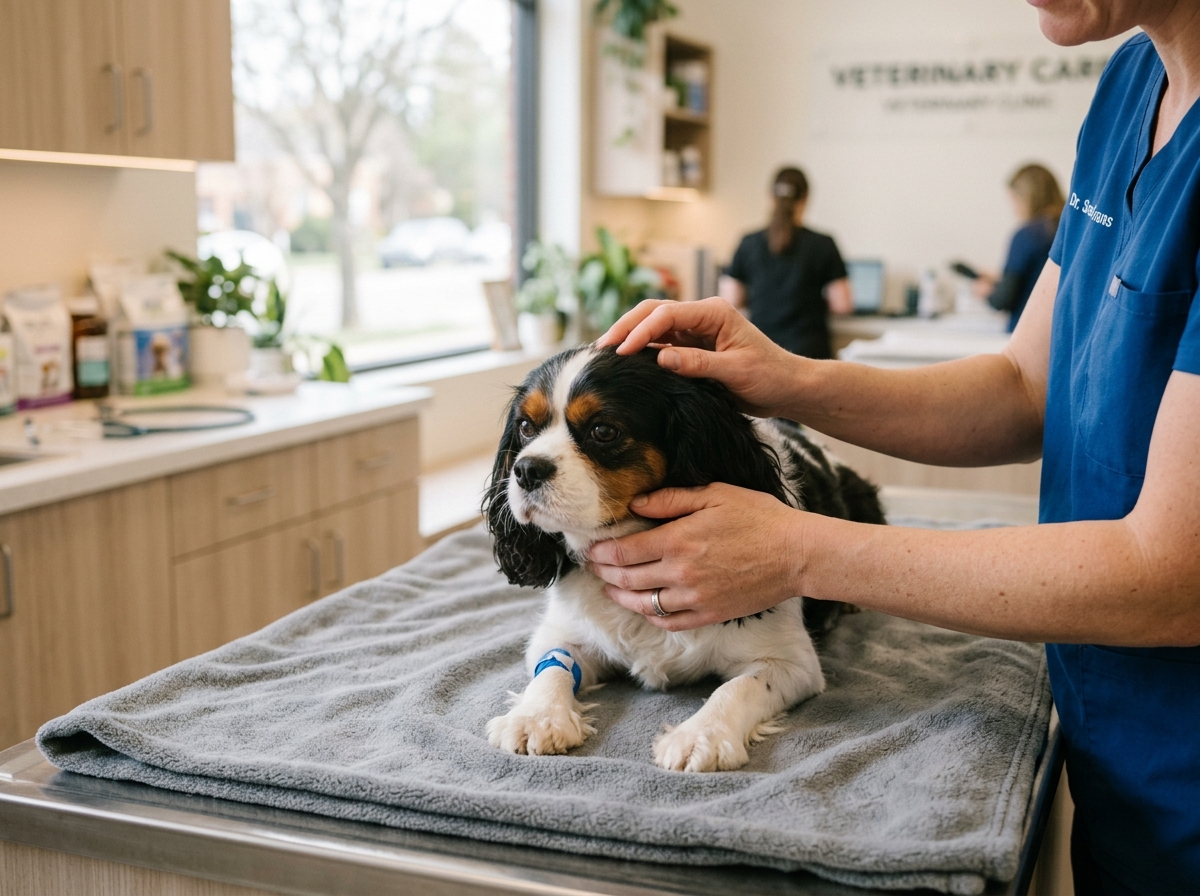
Vaccinations play a crucial role in protecting dogs from serious and potentially life-threatening diseases. While vaccines are generally safe and highly effective, some dogs may experience mild or, in rare cases, severe side effects after vaccination. Understanding these reactions can help pet owners monitor their furry companions and seek veterinary care when necessary.
Why Are Dog Vaccinations Important?
Vaccines help strengthen your dog’s immune system by teaching it how to recognize and fight harmful viruses and bacteria. Core vaccines protect against diseases such as rabies, distemper, parvovirus, and adenovirus, while non-core vaccines may be recommended based on your dog’s lifestyle and risk factors.
Although the benefits of vaccination far outweigh the risks, being aware of potential side effects ensures your dog’s health and safety.
Common Dog Vaccination Side Effects
Most vaccine reactions are mild and temporary. These side effects usually appear within a few hours after vaccination and resolve on their own within a day or two.

Mild Side Effects Include:
- Slight fever
- Tiredness or lethargy
- Reduced appetite
- Mild swelling at the injection site
- Tenderness or soreness
- Temporary discomfort
These symptoms are generally normal signs that your dog’s immune system is responding to the vaccine.
Swelling and Injection Site Reactions
Some dogs develop a small lump or swelling where the vaccine was administered. This reaction is usually harmless and may disappear within a few days or weeks.
Monitor the area for:
- Increased redness
- Excessive swelling
- Pain when touched
- Growth in size
If the lump persists for more than a month or continues to enlarge, contact your veterinarian for evaluation.
Allergic Reactions to Dog Vaccines
Although uncommon, some dogs may experience an allergic reaction shortly after vaccination. These reactions often occur within minutes to a few hours after receiving the shot.
Signs of an Allergic Reaction
- Facial swelling
- Hives or skin bumps
- Intense itching
- Vomiting
- Diarrhea
- Difficulty breathing
An allergic reaction requires immediate veterinary attention, especially if breathing difficulties develop.
Serious Vaccine Side Effects
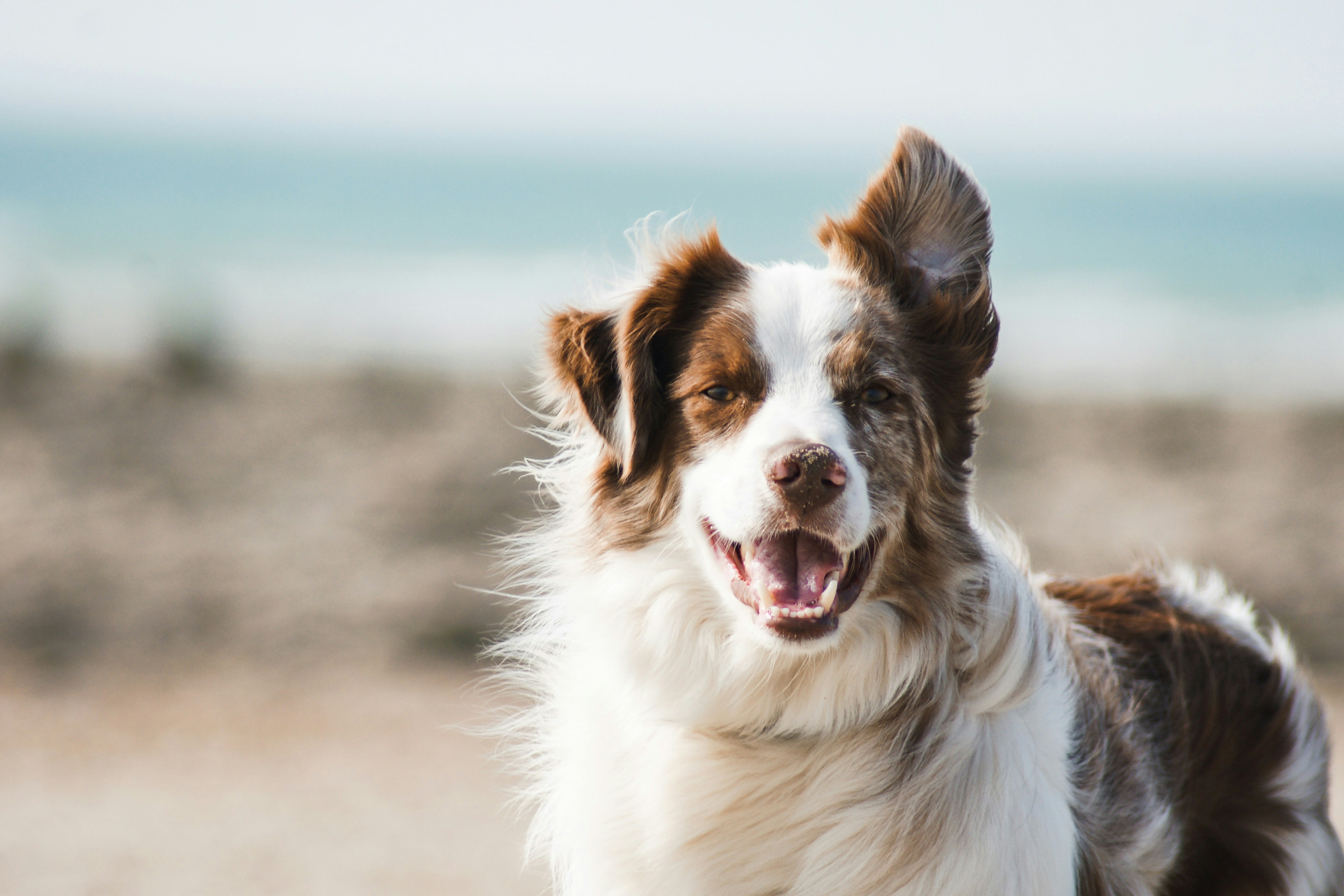
Severe vaccine reactions are rare but can occur. Pet owners should recognize the warning signs and act quickly if they appear.
Severe Symptoms Include:
- Collapse or fainting
- Severe breathing problems
- Persistent vomiting
- Seizures
- Extreme weakness
- Anaphylactic shock
If your dog shows any of these symptoms, seek emergency veterinary care immediately.
Factors That May Increase Vaccine Reactions
Certain dogs may have a higher risk of experiencing side effects, including:
- Puppies with immature immune systems
- Senior dogs
- Small breed dogs
- Dogs with previous vaccine reactions
- Dogs with underlying health conditions
Your veterinarian can recommend a vaccination schedule tailored to your dog’s specific needs.
How Long Do Vaccine Side Effects Last?
Most mild reactions resolve within 24 to 48 hours. Injection-site swelling may take a few weeks to disappear completely. Any symptoms that worsen or persist beyond a few days should be evaluated by a veterinarian.
When to Call Your Veterinarian
Contact your veterinarian if your dog experiences:
- Symptoms lasting longer than 48 hours
- Severe swelling
- Difficulty breathing
- Persistent vomiting or diarrhea
- Signs of pain or distress
Early intervention can prevent complications and ensure your dog receives proper care.
Tips for Monitoring Your Dog After Vaccination
After your dog’s vaccination appointment:
- Provide a quiet place to rest.
- Ensure access to fresh water.
- Avoid strenuous exercise for 24 hours.
- Watch for unusual behavior or symptoms.
- Follow your veterinarian’s aftercare instructions.
Keeping a record of any vaccine reactions can also help your veterinarian make informed decisions about future vaccinations.
Conclusion
Dog vaccinations remain one of the most effective ways to protect pets from dangerous diseases. While mild side effects such as lethargy, soreness, and slight swelling are relatively common, serious reactions are rare. By understanding potential vaccine side effects and monitoring your dog after vaccination, you can ensure they stay healthy and protected for years to come.
Always consult your veterinarian if you have concerns about your dog’s reaction to a vaccine or questions about their vaccination schedule.