As dogs grow older, their nutritional needs change significantly. Senior dogs often become less active, experience slower metabolism, and may develop age-related health issues such as arthritis, obesity, dental problems, or digestive sensitivities. Providing the right diet can help maintain their health, energy levels, and overall quality of life.
In this guide, we’ll explore the best foods for senior dogs and how to choose the right nutrition for your aging companion.
Why Senior Dogs Need Special Nutrition
Senior dogs require a balanced diet that supports aging bodies while helping prevent common health problems. Their food should contain:
- High-quality protein to maintain muscle mass
- Healthy fats for energy and skin health
- Fiber for digestive support
- Essential vitamins and minerals
- Joint-supporting nutrients such as glucosamine and chondroitin
- Controlled calories to prevent weight gain
The exact nutritional requirements may vary depending on breed, size, activity level, and health conditions.
1. Lean Protein Sources
Protein remains one of the most important nutrients for senior dogs. Contrary to popular belief, older dogs often need adequate protein to help preserve muscle mass and strength.
Best protein sources include:
- Chicken
- Turkey
- Fish
- Eggs
- Lean beef
- Lamb
These proteins are easier to digest and provide essential amino acids that support healthy aging.
2. Fish Rich in Omega-3 Fatty Acids
Fish such as salmon, sardines, and mackerel are excellent choices for senior dogs. Omega-3 fatty acids can help:
- Reduce inflammation
- Support brain function
- Improve skin and coat health
- Promote heart health
- Ease arthritis symptoms
Including fish in your dog’s diet a few times per week can provide significant health benefits.
3. High-Fiber Vegetables
Vegetables offer valuable nutrients and fiber that support digestive health.
Good options include:
- Pumpkin
- Carrots
- Green beans
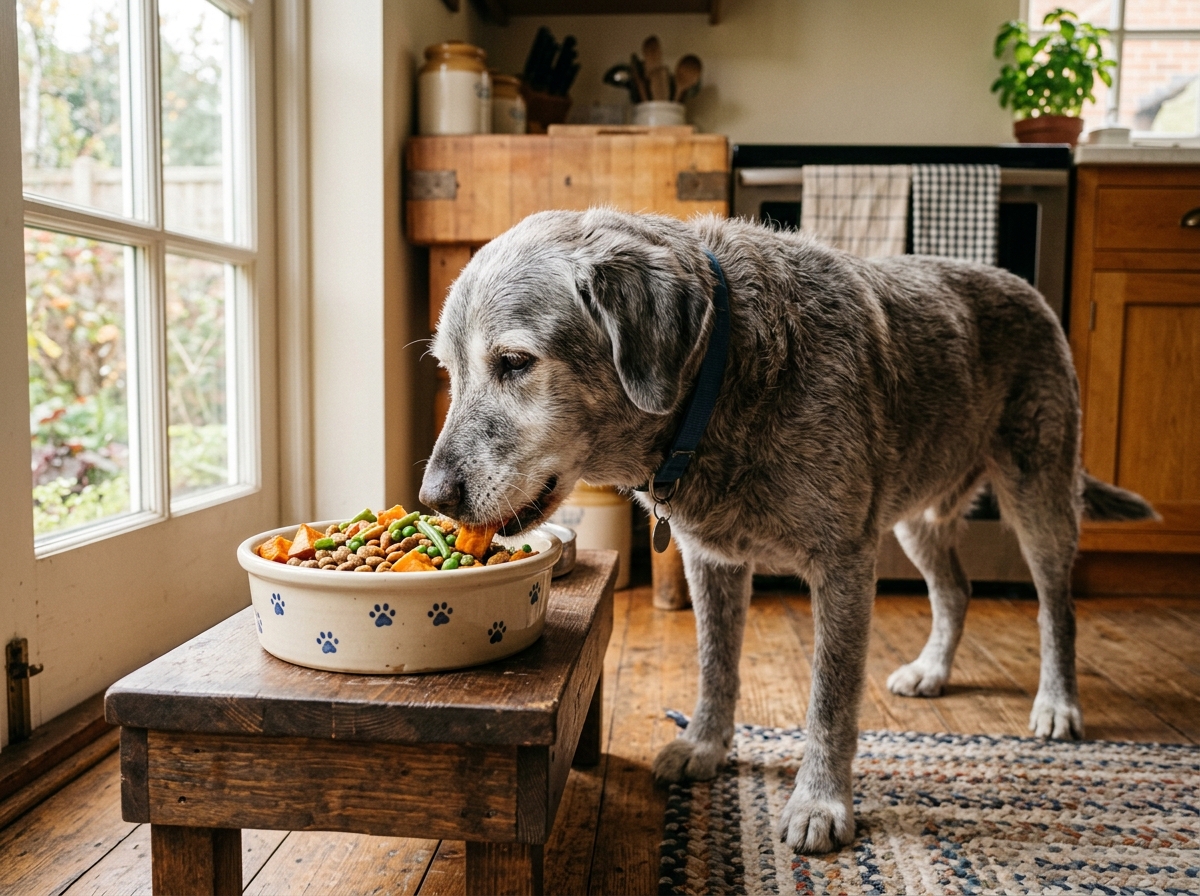
- Sweet potatoes
- Spinach
Fiber helps regulate bowel movements and can help senior dogs maintain a healthy weight.
4. Joint-Supporting Foods
As dogs age, joint problems become increasingly common. Foods containing natural joint-supporting compounds can help improve mobility.
Examples include:
- Bone broth
- Fish oil
- Green-lipped mussels
- Foods fortified with glucosamine and chondroitin
These ingredients may help reduce joint discomfort and support cartilage health.
5. Easily Digestible Carbohydrates
Senior dogs often benefit from carbohydrates that are gentle on the digestive system.
Some excellent choices are:
- Brown rice
- Oatmeal
- Sweet potatoes
- Quinoa
These carbohydrates provide energy while being easier to digest than heavily processed fillers.
6. Fruits Safe for Senior Dogs
Many fruits provide antioxidants that help combat cellular damage associated with aging.
Safe fruits include:
- Blueberries
- Apples (without seeds)
- Bananas
- Strawberries
- Watermelon
These fruits can be offered as healthy treats in moderation.
7. Wet Food for Older Dogs
Many senior dogs experience dental issues that make chewing difficult. Wet food can be a great option because it:
- Is easier to chew
- Increases water intake
- Can be more appealing to picky eaters
- Helps maintain hydration
Mixing wet food with dry kibble may also improve palatability.
Foods Senior Dogs Should Avoid
Certain foods can be harmful to aging dogs and should be avoided:
- Chocolate
- Grapes and raisins
- Onions and garlic
- Excessively fatty foods
- Xylitol-sweetened products
- Alcohol
- Caffeine
Always consult your veterinarian before introducing new foods, especially if your dog has existing medical conditions.
How Often Should Senior Dogs Eat?
Most senior dogs benefit from two balanced meals per day. Some dogs with specific health conditions may require smaller, more frequent meals. Maintaining a consistent feeding schedule helps support digestion and weight management.
Final Thoughts
Choosing the best foods for senior dogs can significantly improve their health, comfort, and longevity. Focus on high-quality protein, healthy fats, digestible carbohydrates, fiber-rich vegetables, and antioxidant-packed fruits. Combined with regular veterinary care and appropriate exercise, proper nutrition can help your senior dog enjoy a happier and healthier life during their golden years.
Remember that every dog is unique, so it’s important to work with your veterinarian to develop a diet plan tailored to your pet’s specific needs.