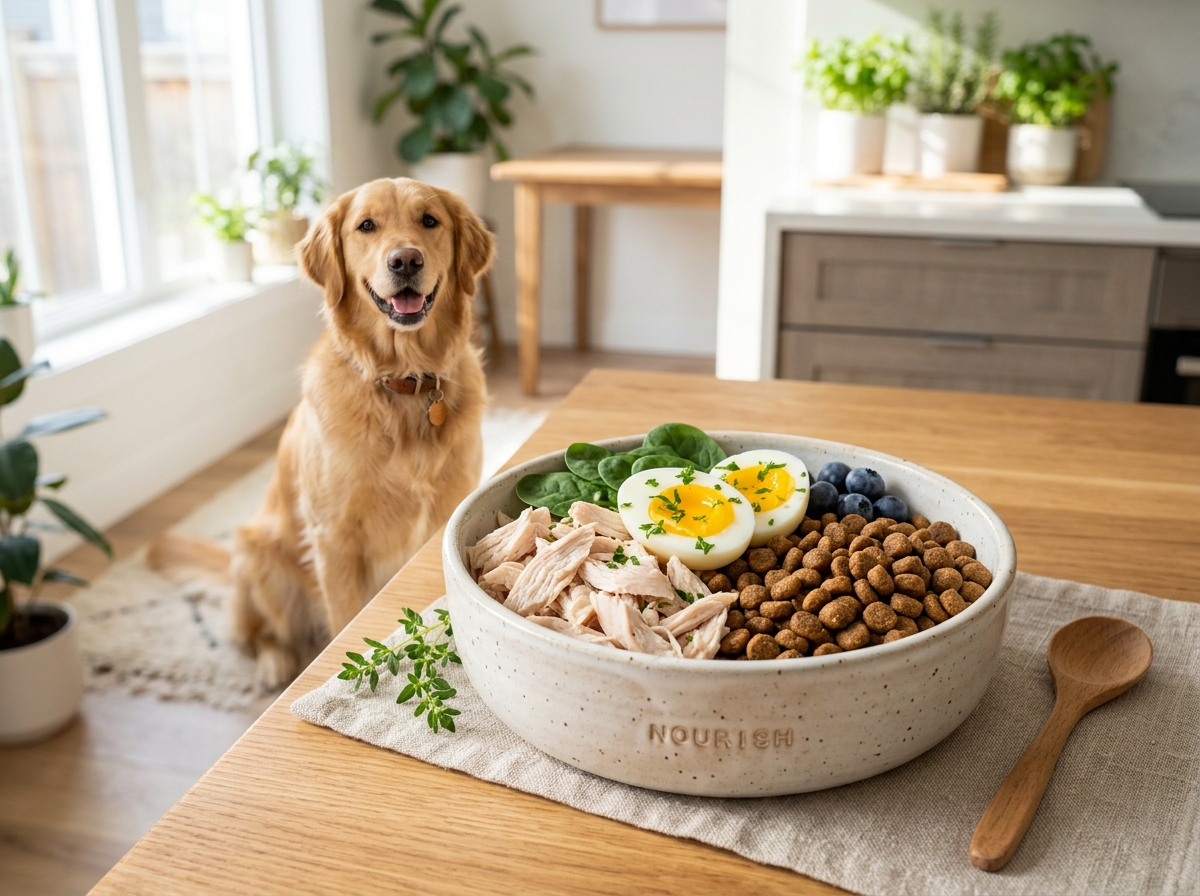
If your dog is underweight, recovering from an illness, or simply needs to gain healthy weight, choosing the right foods can make a significant difference. Weight gain should always be gradual and healthy, focusing on nutrient-dense foods rather than empty calories. In this guide, we’ll explore the best weight gain foods for dogs and how to safely help your furry friend reach an ideal weight.
Why Is My Dog Underweight?
Before changing your dog’s diet, it’s important to understand why they may be underweight. Common causes include:
- High activity levels
- Poor-quality diet
- Stress or anxiety
- Parasites
- Underlying health conditions
- Recovery from surgery or illness
If your dog is losing weight unexpectedly, consult your veterinarian before making dietary changes.
High-Protein Foods for Healthy Weight Gain
Protein helps build muscle mass and supports overall health. Some excellent protein-rich foods include:
Chicken
Cooked, skinless chicken is easy to digest and packed with protein. It helps dogs build lean muscle while providing essential amino acids.
Lean Beef
Beef is rich in protein, iron, and healthy fats. It can be mixed with your dog’s regular food to increase calorie intake.
Turkey
Turkey is another excellent source of lean protein that supports muscle growth and weight gain.
Eggs
Eggs contain high-quality protein and healthy fats. They are one of the most nutritious foods you can add to your dog’s diet.
Healthy Fat Sources for Weight Gain
Fat contains more calories per gram than protein or carbohydrates, making it essential for healthy weight gain.
Salmon
Salmon provides omega-3 fatty acids and high-quality protein. It promotes healthy skin, coat, and weight gain.
Fish Oil
Adding fish oil to meals can increase calorie intake while supporting joint and heart health.
Peanut Butter
Natural, unsweetened peanut butter is calorie-dense and loved by most dogs. Serve in moderation due to its high fat content.
Coconut Oil
Small amounts of coconut oil can add calories and may help improve digestion and coat health.
Carbohydrate-Rich Foods That Add Calories
Carbohydrates provide energy and can help underweight dogs gain weight.
Sweet Potatoes
Sweet potatoes are rich in fiber, vitamins, and healthy carbohydrates.
Brown Rice
Brown rice is gentle on the stomach and provides easily digestible calories.
Oatmeal
Oatmeal is a nutritious grain that can boost calorie intake and support digestive health.
Best Commercial Dog Foods for Weight Gain
Many premium dog food brands offer formulas specifically designed for weight gain. Look for products that contain:
- High-quality animal protein as the first ingredient
- Healthy fats from fish or chicken oil
- Calorie-dense formulas
- Limited fillers and artificial additives
Puppy food can also be helpful for some adult underweight dogs because it typically contains more calories and nutrients.
Homemade Weight Gain Meal Ideas
Here are a few healthy homemade meal options:
Chicken and Rice Bowl
- Cooked chicken
- Brown rice
- Small amount of fish oil
Beef and Sweet Potato Mix
- Lean ground beef
- Mashed sweet potatoes
- Steamed vegetables
Egg and Oatmeal Breakfast
- Scrambled eggs
- Cooked oatmeal
- Small spoon of peanut butter
Always introduce new foods gradually to avoid digestive upset.
Tips for Helping Your Dog Gain Weight
- Feed smaller meals more frequently throughout the day.
- Increase calories gradually.
- Ensure your dog gets adequate exercise to build muscle, not just fat.
- Monitor weight weekly.
- Keep fresh water available at all times.
- Consult your veterinarian for personalized advice.
Foods to Avoid
Avoid feeding your dog:
- Chocolate
- Grapes and raisins
- Onions and garlic
- Excessive fatty table scraps
- Sugary foods
- Xylitol-containing products
These foods can be harmful or even toxic to dogs.
Conclusion
Helping your dog gain weight requires a balanced approach that combines high-quality protein, healthy fats, and nutrient-rich carbohydrates. Foods such as chicken, beef, eggs, salmon, sweet potatoes, and calorie-dense commercial dog foods can support healthy weight gain when fed appropriately. Always monitor your dog’s progress and consult your veterinarian if you have concerns about their weight or overall health.
With patience and proper nutrition, your dog can achieve and maintain a healthy body condition while enjoying a happier, more energetic life.