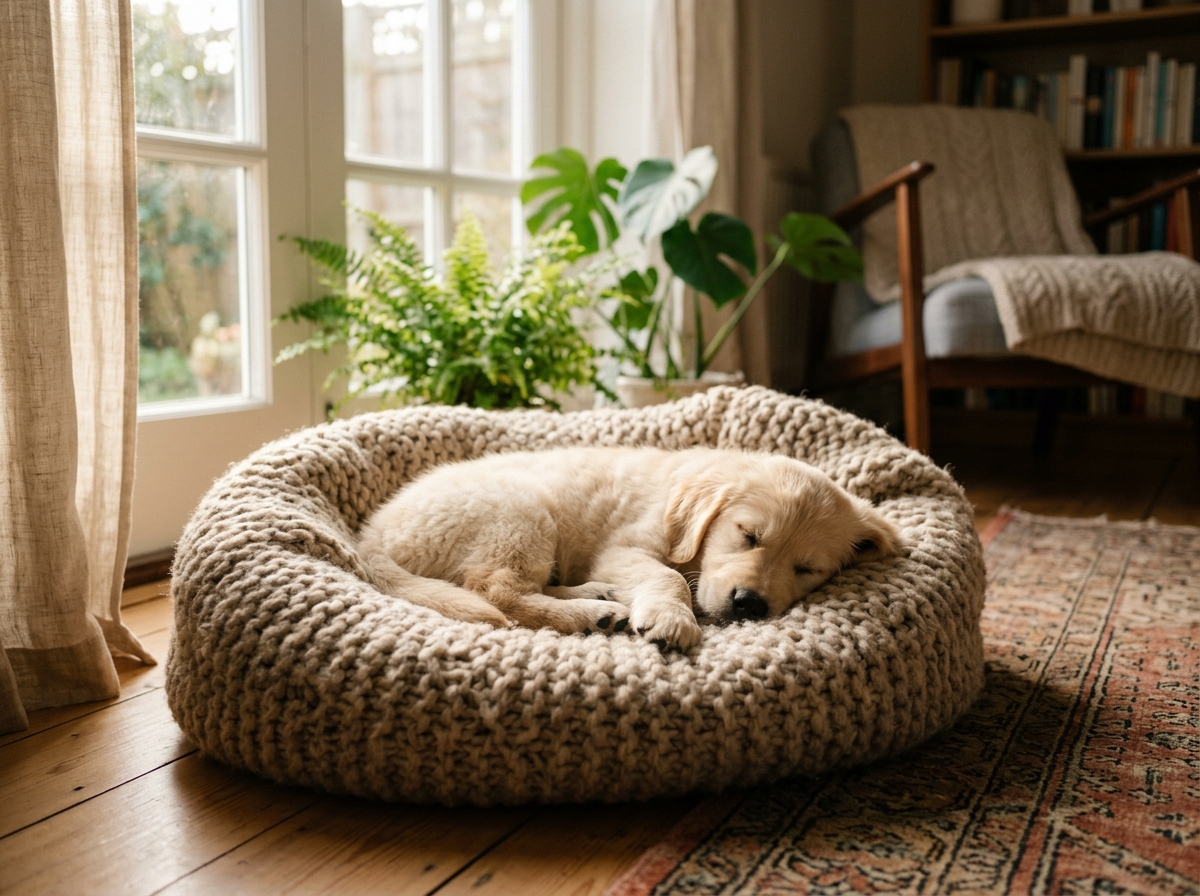
Bringing home a new puppy is exciting, but many pet parents are surprised by how much puppies sleep. Understanding a puppy sleep schedule is essential for ensuring healthy growth, proper development, and a happier household. Just like human babies, puppies need plenty of rest to support their rapidly developing brains and bodies.
In this guide, you’ll learn how much sleep puppies need, how sleep requirements change with age, and tips for creating the perfect sleep routine.
Why Is Sleep Important for Puppies?
Puppies experience significant physical and mental development during their first year of life. Sleep helps them:
- Build strong muscles and bones
- Support brain development
- Improve learning and memory
- Strengthen the immune system
- Reduce stress and anxiety
Without enough sleep, puppies can become overtired, leading to hyperactivity, irritability, and behavioral problems.
How Much Sleep Do Puppies Need?


Most puppies sleep between 18 and 20 hours per day, especially during their first few months. However, sleep needs vary depending on age.
Puppy Sleep by Age
| Age | Average Sleep Per Day |
|---|---|
| 0–4 Weeks | 20–22 Hours |
| 4–12 Weeks | 18–20 Hours |
| 3–6 Months | 16–18 Hours |
| 6–12 Months | 14–16 Hours |
As your puppy grows, they’ll spend more time exploring and playing, gradually reducing their sleep hours.
Sample Puppy Sleep Schedule
A structured routine helps puppies feel secure and makes house training easier.
8-Week-Old Puppy Schedule
6:00 AM – Wake up and potty break
6:30 AM – Breakfast
7:00–9:00 AM – Nap
9:00 AM – Playtime and training
10:00 AM–12:00 PM – Nap
12:00 PM – Lunch and potty break
1:00–3:00 PM – Nap
3:00 PM – Playtime
4:00–6:00 PM – Nap
6:00 PM – Dinner
7:00 PM – Family time and training
8:30 PM – Wind-down routine
9:00–10:00 PM – Bedtime
Most young puppies will still need one or two nighttime potty breaks.
Signs Your Puppy Needs More Sleep
Many owners mistake an overtired puppy for an energetic one. Watch for these signs:
- Excessive biting or nipping
- Zoomies that seem uncontrollable
- Difficulty following commands
- Whining without a clear reason
- Increased irritability
- Frequent accidents indoors
If you notice these behaviors, your puppy may simply need a nap.
Creating the Perfect Sleep Environment


A comfortable sleep area can significantly improve your puppy’s rest.
Tips for Better Puppy Sleep
- Use a comfortable dog bed or crate.
- Keep the sleeping area quiet and dark.
- Maintain a consistent bedtime routine.
- Avoid intense play right before bedtime.
- Ensure your puppy gets enough daytime exercise.
- Keep fresh water available during the day.
Consistency helps puppies learn when it’s time to sleep and when it’s time to play.
Should Puppies Sleep in a Crate?
Many veterinarians and trainers recommend crate training because it provides:
- A safe sleeping environment
- Better house-training success
- Reduced anxiety
- Protection from household hazards
Make the crate a positive place by adding soft bedding and rewarding your puppy for entering voluntarily.
How to Help Your Puppy Sleep Through the Night
Young puppies often wake up because they have small bladders. To encourage longer nighttime sleep:
- Offer the last meal several hours before bedtime.
- Take your puppy outside right before sleeping.
- Keep nighttime potty breaks quiet and brief.
- Avoid exciting play during late evenings.
- Follow the same bedtime routine every night.
Most puppies begin sleeping through the night between 12 and 16 weeks of age.
Common Puppy Sleep Problems
Puppy Cries at Night
This is common during the first few days in a new home. Your puppy may miss their littermates and feel anxious.
Frequent Night Wakings
Young puppies often need bathroom breaks. As they mature, these interruptions typically decrease.
Refusing to Nap
An overstimulated puppy may resist sleep. Create a calm environment and reduce distractions.
Final Thoughts
A healthy puppy sleep schedule is one of the most important parts of raising a happy, well-adjusted dog. Most puppies need 18–20 hours of sleep daily, and maintaining a consistent routine helps support their physical growth, mental development, and emotional well-being.
By providing a comfortable sleep environment and following a predictable daily schedule, you’ll help your puppy develop healthy habits that last a lifetime.
Meta Description: Learn everything about a puppy sleep schedule, including sleep requirements by age, sample routines, bedtime tips, and ways to help your puppy sleep through the night.