Dogs need proper hydration to stay healthy and active. Water helps regulate body temperature, supports digestion, lubricates joints, and ensures vital organs function correctly. When a dog loses more fluids than it takes in, dehydration can occur, leading to serious health problems if left untreated.
Understanding the symptoms of dehydration can help pet owners act quickly and prevent dangerous complications.
What Causes Dehydration in Dogs?
Dehydration can occur for several reasons, including:
- Excessive heat exposure
- Intense exercise
- Vomiting or diarrhea
- Fever
- Insufficient water intake
- Certain medical conditions such as kidney disease or diabetes
Dogs can become dehydrated faster than many owners realize, especially during hot summer months.
Common Dog Dehydration Symptoms
1. Dry Nose and Gums
One of the earliest signs of dehydration is dryness around the nose and mouth. Healthy dogs typically have moist gums. If your dog’s gums feel sticky or dry to the touch, it may indicate fluid loss.


2. Loss of Skin Elasticity
A simple way to check hydration is through the skin elasticity test. Gently lift the skin between your dog’s shoulder blades and release it.
- Well-hydrated dogs: Skin snaps back quickly.
- Dehydrated dogs: Skin returns slowly or remains tented.
This test isn’t always accurate for older dogs but can provide a helpful indication.
3. Excessive Panting
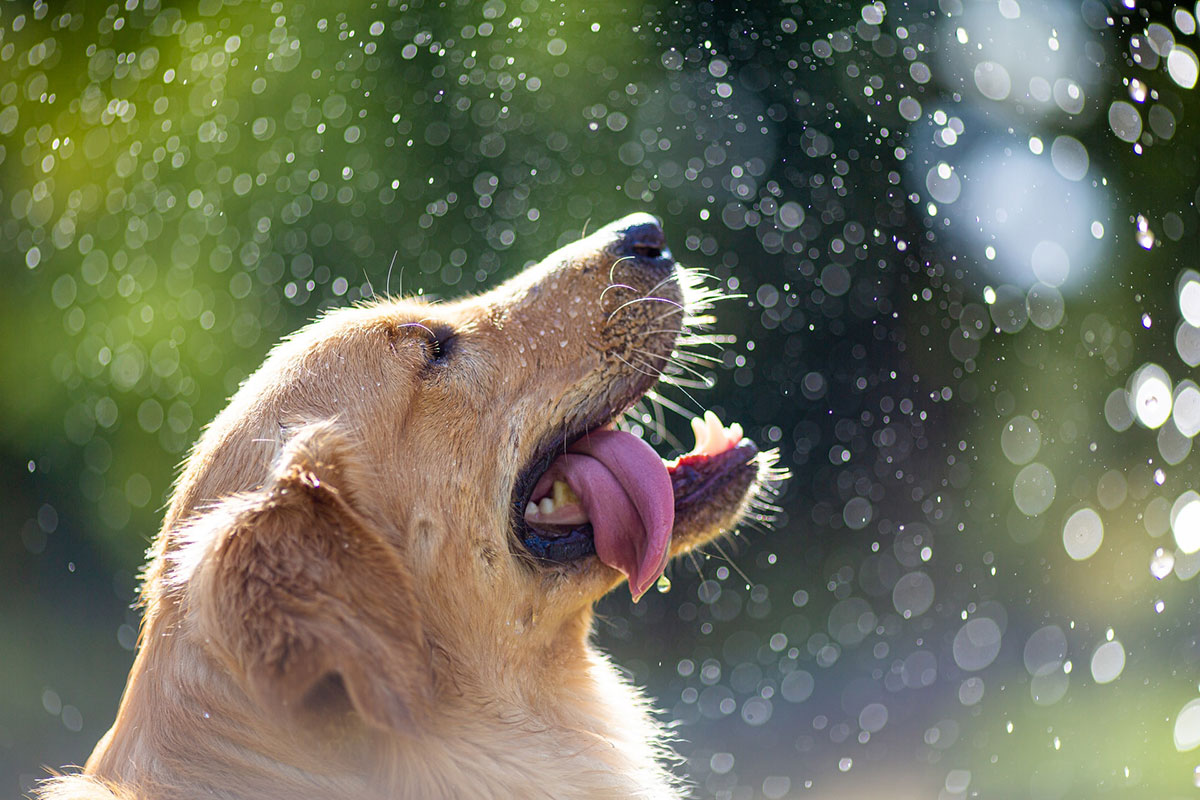
Panting is normal after exercise, but prolonged or excessive panting may signal dehydration. Dogs use panting to regulate body temperature, which causes additional fluid loss.
4. Sunken Eyes
Dehydrated dogs may develop eyes that appear sunken or dull. This symptom often occurs alongside other signs of fluid deficiency.
5. Lethargy and Weakness
A dehydrated dog may seem unusually tired, less playful, or reluctant to move. Reduced energy levels often indicate that the body’s organs aren’t receiving enough fluids.
Advanced Symptoms of Severe Dehydration
If dehydration worsens, more serious symptoms can develop.
Increased Heart Rate
The heart works harder when the body lacks sufficient fluids, causing an elevated heart rate.
Thick Saliva
Saliva may become sticky, thick, or rope-like instead of thin and watery.
Loss of Appetite
Dogs suffering from dehydration often lose interest in food and treats.
Collapse or Shock
Severe dehydration can become life-threatening and may lead to collapse, shock, or organ failure. Immediate veterinary care is essential in these situations.


How to Check if Your Dog Is Dehydrated
You can perform these simple checks at home:
Gum Test
Press your finger against your dog’s gum until it turns white. Release and observe how quickly the color returns.
- Normal: Within 1–2 seconds
- Delayed return: Possible dehydration
Skin Tent Test
Lift and release the skin between the shoulders.
- Immediate return: Normal hydration
- Slow return: Potential dehydration
Always consider these tests alongside other symptoms.
What to Do if Your Dog Is Dehydrated
If you suspect mild dehydration:
- Provide fresh, cool water.
- Encourage small, frequent drinks.
- Move your dog to a cool, shaded area.
- Offer ice cubes if your dog prefers them.
- Monitor symptoms closely.
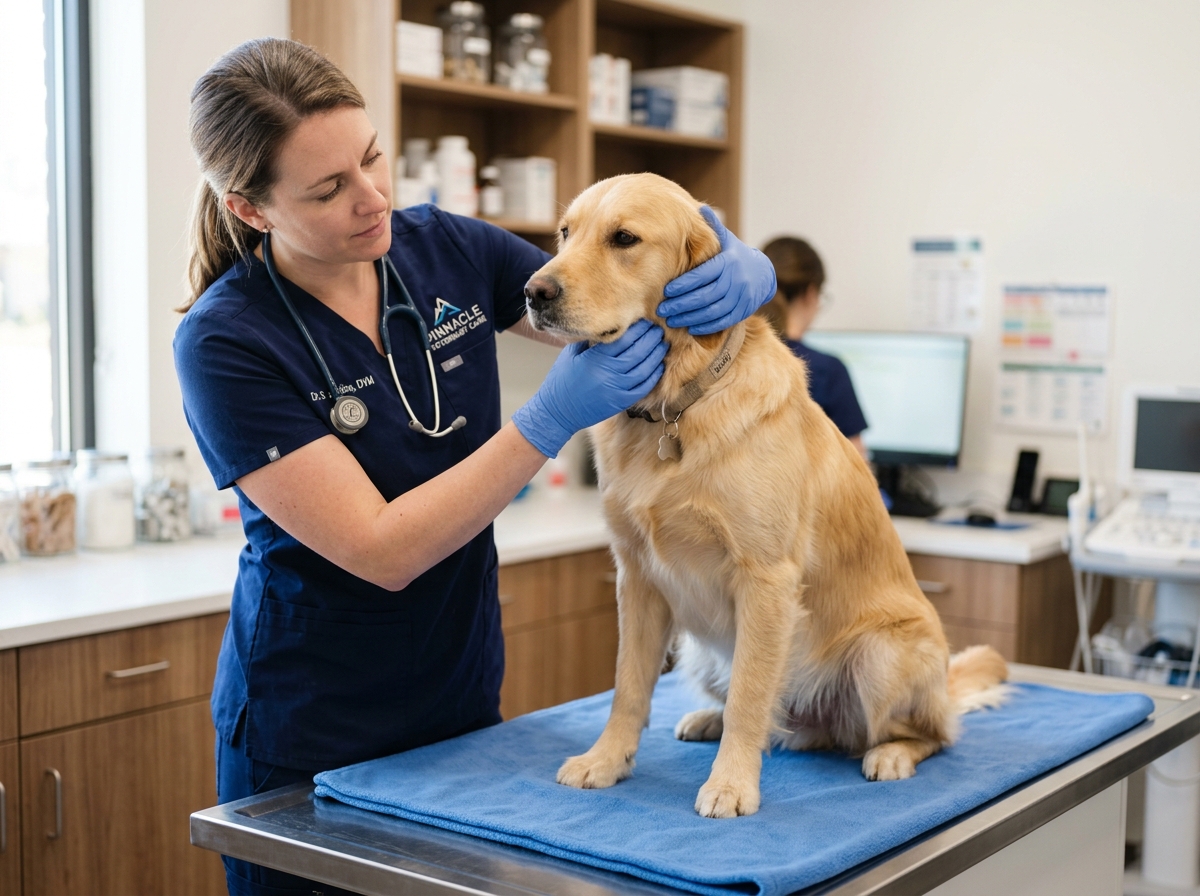
For moderate to severe dehydration, contact a veterinarian immediately. Dogs with persistent vomiting, diarrhea, heatstroke, or severe lethargy may require intravenous fluids.
Preventing Dehydration in Dogs
Prevention is always better than treatment. Follow these tips:
- Keep clean water available at all times.
- Carry water during walks and trips.
- Avoid strenuous activity during peak heat.
- Provide shade outdoors.
- Monitor water intake during illness.
- Schedule regular veterinary checkups.
When to Call a Veterinarian
Seek veterinary attention if your dog:
- Refuses water
- Has persistent vomiting or diarrhea
- Shows extreme weakness
- Experiences heatstroke symptoms
- Has sunken eyes and dry gums
- Collapses or becomes unresponsive
Prompt treatment can prevent serious complications and speed recovery.
Conclusion
Recognizing dog dehydration symptoms early can make a significant difference in your pet’s health. Dry gums, loss of skin elasticity, excessive panting, lethargy, and sunken eyes are among the most common warning signs. By providing adequate water, monitoring your dog’s behavior, and seeking veterinary care when needed, you can help keep your furry companion healthy, hydrated, and safe year-round.