Summer is a wonderful season for outdoor adventures, longer walks, and quality time with your furry companion. However, the rising temperatures can also pose serious health risks for dogs. Unlike humans, dogs cannot cool themselves efficiently through sweating, making them more vulnerable to heat-related illnesses. By taking a few precautions, you can help your dog stay safe, healthy, and comfortable throughout the summer months.
Why Summer Safety Matters for Dogs
Dogs are susceptible to overheating, dehydration, sunburn, and heatstroke during hot weather. Breeds with thick coats, short noses, senior dogs, puppies, and overweight dogs are particularly at risk. Understanding the dangers of summer heat can help pet owners prevent emergencies and ensure their pets enjoy the season safely.
1. Keep Your Dog Hydrated
Proper hydration is one of the most important aspects of summer dog care. Dogs lose water quickly through panting, especially when temperatures rise.
Hydration Tips:
- Provide fresh, clean water at all times.
- Carry a portable water bottle during walks.
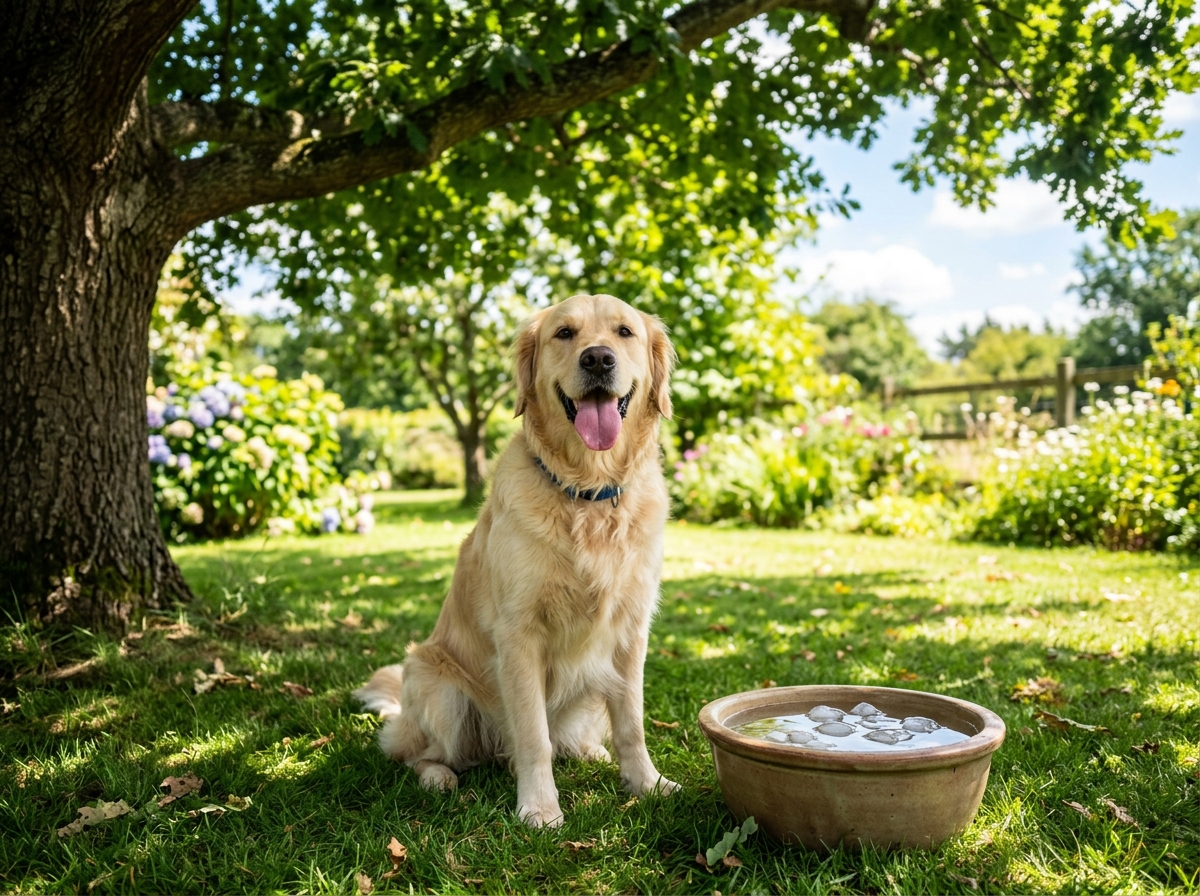
- Add ice cubes to your dog’s water bowl.
- Offer water-rich treats like watermelon (seedless) or cucumber in moderation.
- Refill outdoor water bowls frequently.
Signs of dehydration include dry gums, excessive panting, lethargy, and sunken eyes.
2. Avoid Walking During Peak Heat
Hot pavement can burn your dog’s paw pads, and excessive heat can lead to heat exhaustion.
Best Times for Walks:
- Early morning
- Late evening
Before heading outside, place the back of your hand on the pavement for 7 seconds. If it’s too hot for your hand, it’s too hot for your dog’s paws.
Consider walking on:
- Grass
- Dirt trails
- Shaded paths
3. Never Leave Your Dog in a Parked Car
Even with windows cracked open, the temperature inside a parked vehicle can rise dangerously within minutes.
A car parked in the sun can quickly become life-threatening, leading to heatstroke or death. If you’re running errands, it’s safest to leave your dog at home in a cool environment.
4. Watch for Signs of Heatstroke
Heatstroke is one of the most serious summer dangers for dogs and requires immediate veterinary attention.
Symptoms of Heatstroke:
- Excessive panting
- Drooling
- Bright red gums
- Vomiting
- Weakness
- Disorientation
- Collapse
If you suspect heatstroke:
- Move your dog to a shaded area.
- Offer cool (not ice-cold) water.
- Apply cool water to the body.
- Contact a veterinarian immediately.
5. Protect Your Dog’s Paws
Paw pads are sensitive and can burn on hot surfaces such as asphalt, concrete, and sand.
Paw Protection Tips:
- Walk during cooler parts of the day.
- Use dog booties if necessary.
- Apply pet-safe paw balm.
- Check paws regularly for cracks, blisters, or redness.
6. Provide Shade and Cool Resting Areas
Dogs need access to cool, shaded spots when spending time outdoors.
Good options include:
- Covered patios
- Trees
- Canopies
- Cooling mats
- Well-ventilated indoor spaces
Never tether a dog in direct sunlight without access to shade and water.
7. Use Pet-Safe Sunscreen
Dogs can get sunburned, especially those with:
- Light-colored fur
- Thin coats
- Pink skin
Apply a veterinarian-approved pet sunscreen to vulnerable areas such as:
- Nose
- Ears
- Belly
Avoid using human sunscreen, as some ingredients can be toxic to dogs.
8. Keep Up With Flea and Tick Prevention
Summer is peak season for fleas, ticks, and other parasites.
To protect your dog:
- Use veterinarian-recommended preventatives.
- Inspect your dog after outdoor activities.
- Keep grass trimmed.
- Wash bedding regularly.
Preventing infestations helps reduce the risk of diseases transmitted by parasites.
9. Offer Frozen Treats
Frozen snacks can help your dog cool down and stay entertained.
Popular summer treats include:
- Frozen dog-safe yogurt
- Ice cube treats
- Frozen peanut butter-filled toys
- Frozen fruit pieces
Always ensure treats are safe and appropriate for your dog’s dietary needs.
10. Adjust Exercise Levels
Dogs may not tolerate their normal exercise routine during extreme heat.
Watch your dog’s behavior closely and reduce activity if you notice:
- Excessive panting
- Fatigue
- Slowing down
- Reluctance to continue walking
Indoor games and mental stimulation can help keep your dog active without risking heat-related problems.
Final Thoughts
Summer can be an enjoyable season for both dogs and their owners when proper safety precautions are taken. By keeping your dog hydrated, avoiding extreme temperatures, protecting their paws, and recognizing signs of heatstroke, you can help ensure they remain healthy and comfortable all season long. A little extra care during hot weather goes a long way toward protecting your furry friend’s well-being.