Winter can be a challenging season for dogs, especially when temperatures drop significantly. While some breeds are naturally equipped to handle cold weather, many dogs need extra care and attention during the winter months. By taking a few precautions, you can ensure your furry companion stays healthy, warm, and happy all season long.
Why Winter Care for Dogs Is Important
Cold weather can affect dogs in various ways, from dry skin and cracked paw pads to hypothermia and frostbite. Puppies, senior dogs, and small breeds are particularly vulnerable to harsh winter conditions. Understanding how winter impacts your pet is the first step toward providing proper care.
1. Keep Your Dog Warm
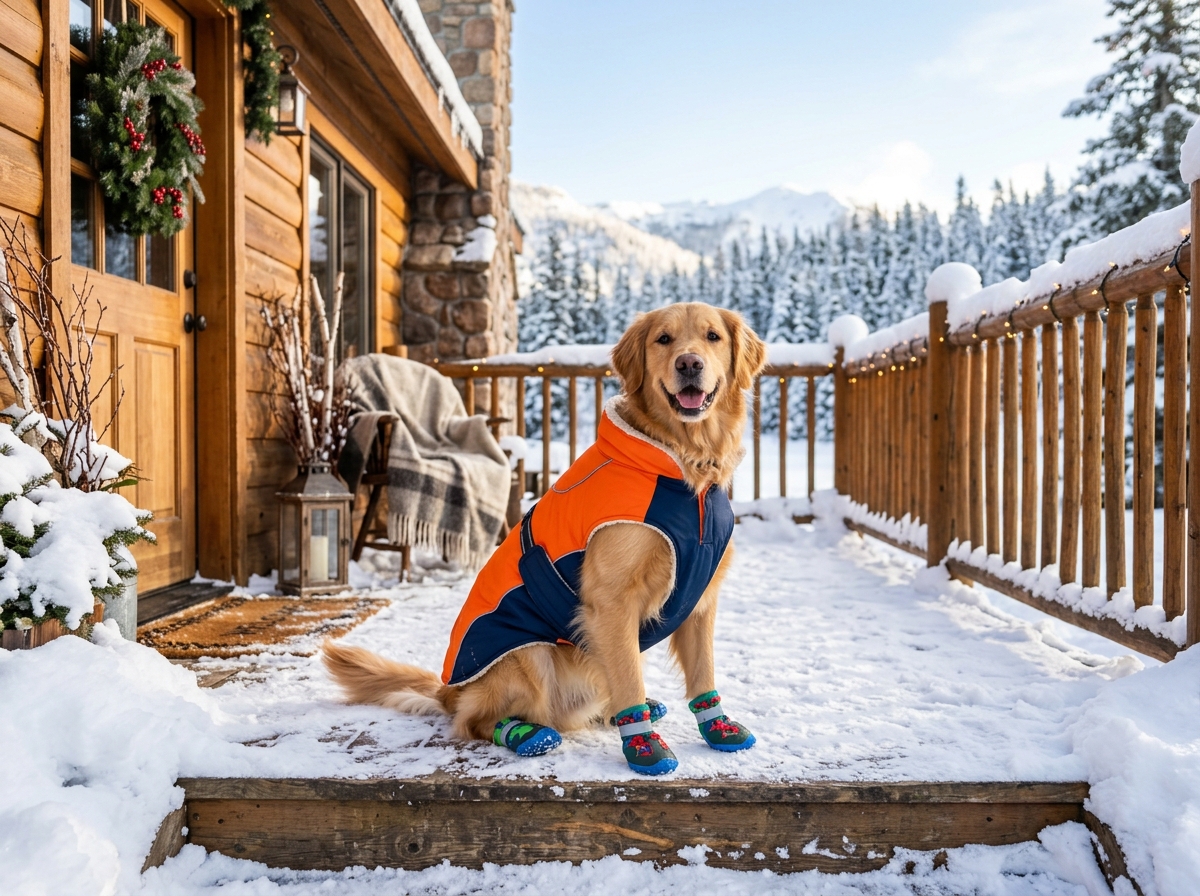
Just like humans, dogs can feel cold during winter. If your dog has a short coat, small body size, or is elderly, consider providing extra warmth.
Tips:
- Invest in a quality dog sweater or winter coat.
- Keep your dog indoors during extremely cold weather.
- Provide warm bedding away from drafts and cold floors.
- Consider heated pet beds for senior dogs.
2. Protect Your Dog’s Paws
Snow, ice, and road salt can damage your dog’s paw pads, causing irritation and cracking.
How to Protect Paws:
- Use dog booties when walking on snowy or icy surfaces.
- Apply pet-safe paw balm before outdoor activities.
- Wipe paws after walks to remove salt, chemicals, and ice.
- Check paws regularly for cuts or cracks.
3. Adjust Outdoor Exercise
Dogs still need exercise during winter, but outdoor activities may need modification.
Exercise Recommendations:
- Shorten walks during extremely cold days.
- Play indoor games such as fetch or hide-and-seek.
- Monitor your dog for signs of discomfort, shivering, or lifting paws.
- Avoid frozen lakes and ponds, as ice can be dangerously thin.
4. Maintain Proper Nutrition and Hydration
Many pet owners forget that hydration remains important during winter.
Important Considerations:
- Ensure fresh water is always available.
- Some dogs may require additional calories if they spend a lot of time outdoors.
- Consult your veterinarian before making major dietary changes.
- Monitor your dog’s weight regularly.
5. Watch for Signs of Hypothermia and Frostbite
Cold temperatures can become dangerous if dogs are exposed for too long.
Signs of Hypothermia:
- Excessive shivering
- Weakness or lethargy
- Slow breathing
- Difficulty walking
Signs of Frostbite:
- Pale or gray skin
- Swelling
- Pain when touched
- Blisters after warming
Seek veterinary attention immediately if you notice these symptoms.
6. Keep Skin and Coat Healthy
Winter air often leads to dry skin and dull coats.
Winter Grooming Tips:
- Brush your dog regularly to distribute natural oils.
- Avoid excessive bathing, which can dry out the skin.
- Use moisturizing pet shampoos when necessary.
- Consider a humidifier indoors if your home becomes very dry.
7. Be Careful with Antifreeze and Chemicals
Antifreeze is highly toxic to dogs but often attracts them due to its sweet taste.
Safety Measures:
- Clean up any spills immediately.
- Store chemicals securely out of reach.
- Watch your dog closely in garages and driveways.
- Contact a veterinarian immediately if ingestion is suspected.
8. Create a Cozy Indoor Environment
Winter is the perfect time to make your home more comfortable for your pet.
Comfort Ideas:
- Provide soft blankets and warm sleeping areas.
- Keep beds away from doors and windows.
- Offer interactive toys to prevent boredom.
- Spend extra quality time together indoors.
Common Winter Mistakes Dog Owners Should Avoid
- Leaving dogs outside for extended periods.
- Ignoring cracked paw pads.
- Skipping exercise completely.
- Assuming thick-coated breeds are immune to cold.
- Forgetting to provide fresh water.
Final Thoughts
Winter doesn’t have to be difficult for your dog. With proper protection, regular exercise, healthy nutrition, and a warm place to rest, your furry friend can enjoy the season safely. Paying attention to your dog’s specific needs will help prevent cold-weather health issues and ensure they remain comfortable throughout the winter months.
By following these winter dog care tips, you can keep your canine companion healthy, active, and happy no matter how low the temperature drops.