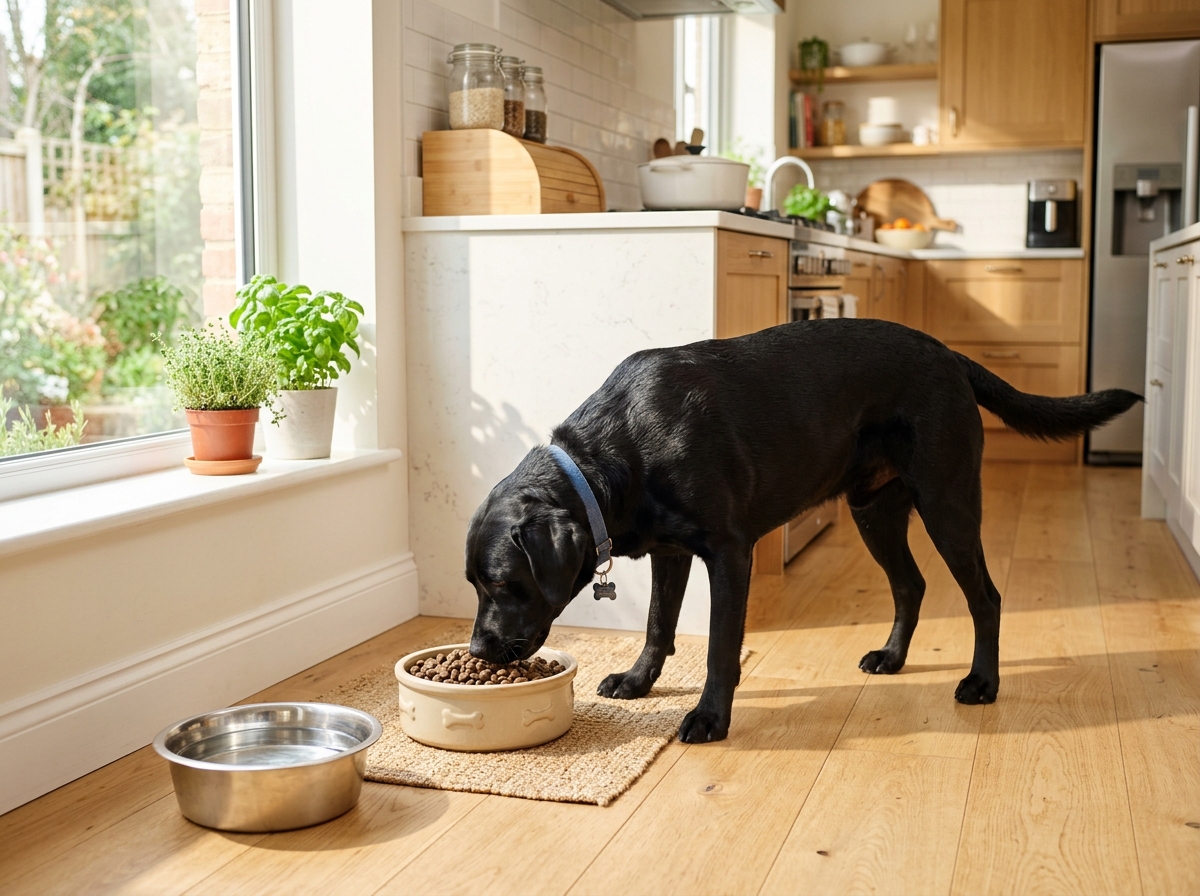
Labradors are one of the most popular dog breeds in the world, known for their friendly personalities, intelligence, and high energy levels. However, they are also prone to overeating and obesity, making proper nutrition essential for their health and longevity. This Labrador feeding guide will help you understand what to feed your Labrador, how much food they need, and the best feeding schedule for every stage of life.
Understanding Your Labrador’s Nutritional Needs
Labradors require a balanced diet that includes:
- High-quality protein for muscle development
- Healthy fats for energy and coat health
- Carbohydrates for sustained energy
- Vitamins and minerals for overall well-being
- Fresh water available at all times
The exact nutritional requirements depend on your Labrador’s age, weight, activity level, and overall health condition.
Labrador Puppy Feeding Guide
Labrador puppies grow rapidly and need nutrient-dense food to support healthy development.
Feeding Schedule for Labrador Puppies
8–12 Weeks Old
- Meals per day: 4
- Puppy-specific food
- Small portions throughout the day
3–6 Months Old
- Meals per day: 3
- Increase portion sizes gradually
- Continue feeding high-quality puppy food
6–12 Months Old
- Meals per day: 2–3
- Monitor weight regularly
- Transition toward adult feeding routine
Best Foods for Labrador Puppies
Look for puppy food that contains:
- Real meat as the first ingredient
- DHA for brain development
- Calcium and phosphorus for strong bones
- No artificial fillers or preservatives
Adult Labrador Feeding Guide
Adult Labradors require a balanced diet that supports their energy needs while preventing excessive weight gain.
How Much Should an Adult Labrador Eat?
The average adult Labrador weighing 55–80 pounds typically requires:
| Weight | Daily Food Amount |
|---|---|
| 55–65 lbs | 2.5–3 cups |
| 65–75 lbs | 3–3.5 cups |
| 75–80 lbs | 3.5–4 cups |
Note: These amounts vary depending on activity level and food quality.
Feeding Frequency
Most adult Labradors do best with:
- 2 meals per day
- One meal in the morning
- One meal in the evening
Splitting meals helps maintain energy levels and reduces the risk of overeating.
Feeding Senior Labradors
As Labradors age, their metabolism slows down and they may become less active.
Senior Labradors generally need:
- Fewer calories
- Higher-quality protein
- Joint-support supplements such as glucosamine
- Easily digestible ingredients
Regular veterinary checkups can help determine any dietary adjustments needed for your aging dog.
Foods Labradors Can Safely Eat
In addition to commercial dog food, Labradors can enjoy several healthy foods:
Safe Fruits
- Apples (without seeds)
- Blueberries
- Bananas
- Watermelon
Safe Vegetables
- Carrots
- Green beans
- Sweet potatoes
- Pumpkin
Lean Proteins
- Chicken
- Turkey
- Salmon
- Eggs
Always introduce new foods gradually and in moderation.
Foods Labradors Should Never Eat
Some foods are toxic to Labradors and should be avoided completely:
- Chocolate
- Grapes and raisins
- Onions and garlic
- Avocado
- Alcohol
- Caffeine
- Xylitol (artificial sweetener)
- Macadamia nuts
If your Labrador consumes any of these foods, contact your veterinarian immediately.
Common Feeding Mistakes Labrador Owners Make
Overfeeding
Labradors love food and often act hungry even when they are not. Excess feeding can lead to obesity and related health problems.
Too Many Treats
Treats should make up no more than 10% of your dog’s daily calorie intake.
Lack of Portion Control
Using a measuring cup helps ensure consistent portion sizes.
Feeding Table Scraps
Human food can be high in fat, salt, and calories, which may harm your dog over time.
Signs Your Labrador Is at a Healthy Weight
A healthy Labrador should:
- Have a visible waist when viewed from above
- Have ribs that can be felt but not easily seen
- Maintain consistent energy levels
- Move comfortably without difficulty
If your dog appears overweight or underweight, consult your veterinarian for personalized feeding recommendations.
Final Thoughts
Proper nutrition is one of the most important factors in keeping your Labrador healthy and happy. By feeding age-appropriate food, controlling portions, maintaining a regular feeding schedule, and avoiding harmful foods, you can help your Labrador live a long and active life. Remember that every dog is unique, so monitor your Labrador’s weight and adjust feeding amounts as needed to meet their individual requirements.