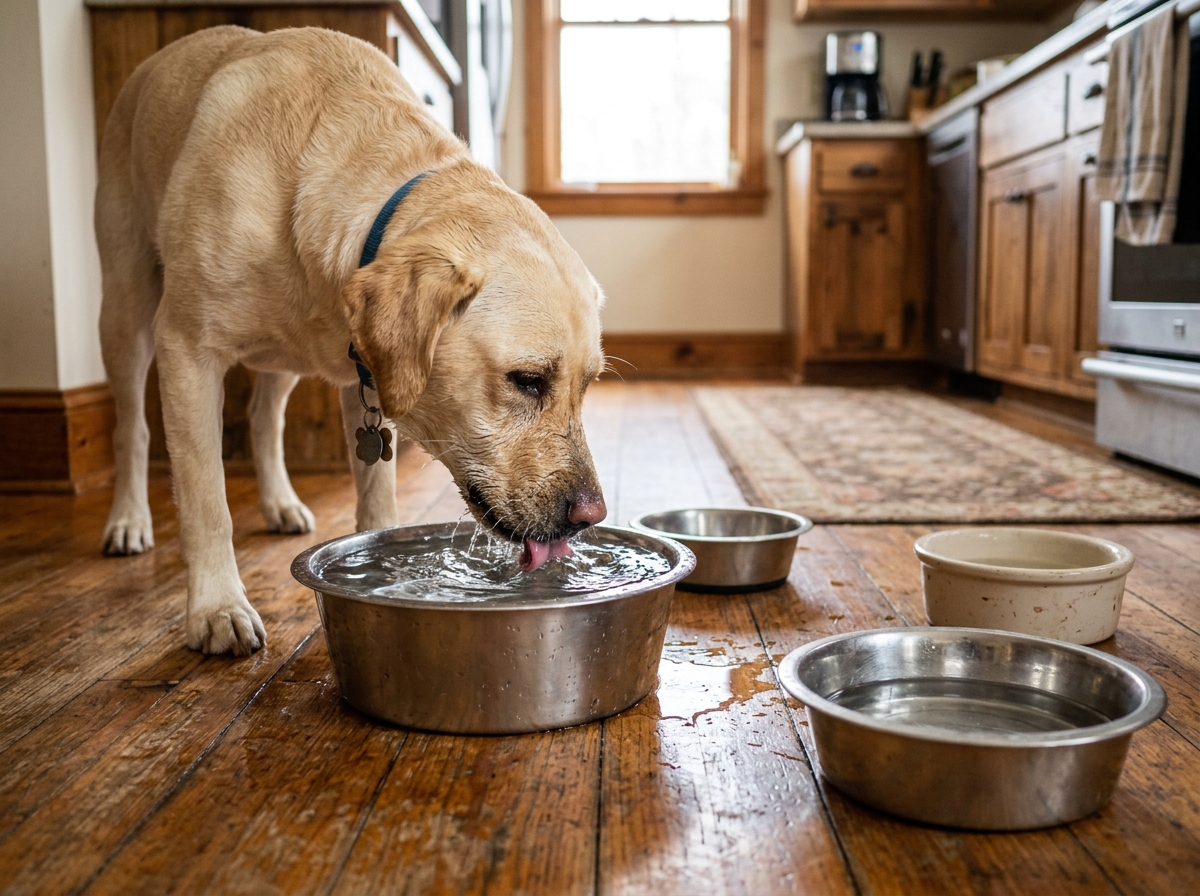
As a dog owner, you know your furry friend’s habits better than anyone. So, when your dog suddenly starts drinking much more water than usual, it can be concerning. While increased thirst may sometimes be harmless, it can also be a sign of an underlying health issue that requires attention.
In this article, we’ll explore the common reasons why dogs drink excessive water, when to worry, and what steps you should take to keep your pet healthy.
What Is Considered Excessive Water Drinking in Dogs?
Dogs typically need about 0.5 to 1 ounce of water per pound of body weight each day. For example, a 20-pound dog may drink between 10 and 20 ounces of water daily.
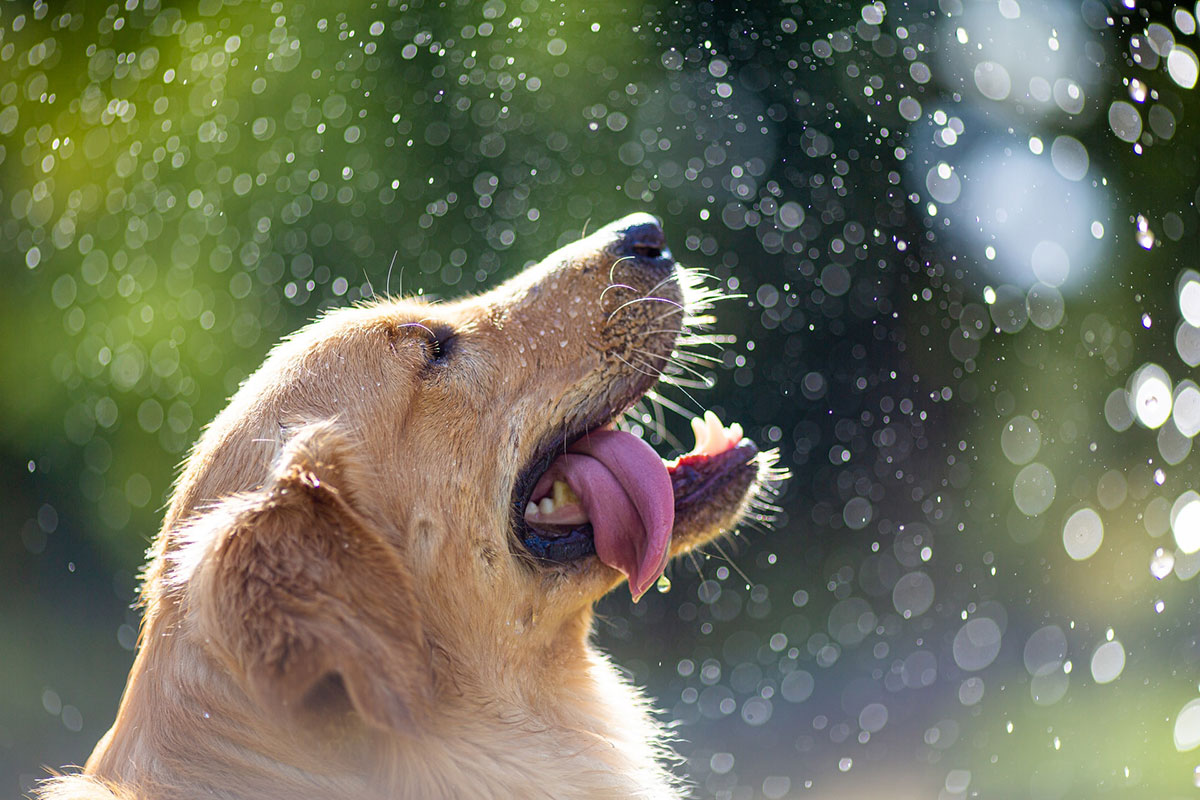
If your dog is constantly at the water bowl, refilling it multiple times a day, or waking up at night to drink, they may be experiencing excessive thirst, also known as polydipsia.
Common Reasons Your Dog Is Drinking More Water
1. Hot Weather or Increased Activity
Just like humans, dogs need more water when temperatures rise or after vigorous exercise. Increased panting can also lead to greater water loss, causing your dog to drink more.
Signs this is normal include:
- Increased thirst only during hot days
- Drinking more after walks or play sessions
- Normal appetite and energy levels
2. Dietary Changes
A switch from wet food to dry kibble can naturally increase water consumption. Additionally, salty treats or human foods high in sodium may make your dog thirstier than usual.
3. Medication Side Effects
Certain medications can cause excessive thirst as a side effect, including:
- Steroids (Prednisone)
- Diuretics
- Anti-seizure medications
If your dog recently started a new medication, consult your veterinarian to determine whether increased water intake is expected.
4. Diabetes Mellitus
One of the most common medical causes of excessive thirst in dogs is diabetes. Dogs with diabetes often drink more water because their bodies are trying to eliminate excess glucose through urine.
Additional symptoms include:
- Frequent urination
- Increased appetite
- Weight loss
- Lethargy
5. Kidney Disease
The kidneys play a critical role in regulating water balance. When kidney function declines, dogs often drink and urinate more frequently.
Warning signs may include:
- Bad breath
- Loss of appetite
- Weight loss
- Vomiting
6. Cushing’s Disease
Cushing’s disease occurs when a dog produces too much cortisol. Excessive drinking and urination are among the most common symptoms.
Other signs include:
- Increased appetite
- Pot-bellied appearance
- Hair loss
- Muscle weakness
7. Urinary Tract Infections (UTIs)
Urinary tract infections can increase your dog’s urge to urinate, leading them to drink more water to compensate for fluid loss.
Watch for:
- Straining to urinate
- Blood in urine
- Frequent bathroom trips
- Accidents in the house
When Should You Be Concerned?
Signs It’s Time to Call Your Veterinarian
If your dog’s increased water consumption is accompanied by any of the following symptoms, schedule a veterinary appointment:
- Excessive urination
- Sudden weight loss
- Vomiting or diarrhea
- Reduced appetite
- Lethargy
- Behavioral changes
- Blood in urine
Prompt diagnosis can help identify serious conditions before they become life-threatening.
How Veterinarians Diagnose Excessive Thirst
Your veterinarian may perform several tests to determine the cause, including:
- Physical examination
- Blood tests
- Urinalysis
- Kidney function tests
- Blood glucose testing
- Imaging studies such as X-rays or ultrasound
These tests help rule out underlying diseases and guide appropriate treatment.
What Can You Do at Home?
While waiting for a veterinary appointment:
- Monitor your dog’s daily water intake.
- Keep fresh water available at all times.
- Note any changes in appetite, energy levels, or urination habits.
- Avoid restricting water access, as this can worsen dehydration and underlying conditions.
Tracking these details can help your veterinarian make an accurate diagnosis.
Frequently Asked Questions
Is it normal for older dogs to drink more water?
Older dogs may drink slightly more water due to age-related changes, but significant increases should always be evaluated by a veterinarian.
Can anxiety cause excessive drinking in dogs?
Yes. Stress and anxiety can sometimes lead to increased water consumption. However, medical causes should be ruled out first.
Should I limit my dog’s water intake?
No. Restricting water can be dangerous and may lead to dehydration. Instead, seek veterinary advice if you notice unusual drinking habits.
Final Thoughts
Occasional increases in water consumption are often harmless, especially during hot weather or after exercise. However, persistent excessive thirst can indicate serious health conditions such as diabetes, kidney disease, or Cushing’s disease.
If your dog is drinking significantly more water than usual, monitor their symptoms and consult your veterinarian. Early diagnosis and treatment can help your furry companion stay healthy and happy for years to come.