Dogs rely heavily on their eyesight to explore the world around them. When an eye infection occurs, it can cause discomfort, pain, and even vision loss if left untreated. Understanding the causes, symptoms, and treatment options for dog eye infections can help pet owners take quick action and protect their furry friend’s eye health.
What Are Dog Eye Infections?
A dog eye infection occurs when bacteria, viruses, fungi, or irritants affect one or both eyes. These infections can range from mild conditions that clear up quickly to severe problems requiring veterinary care.
Common eye infections can affect dogs of all ages and breeds, although some breeds with prominent eyes, such as Pugs, Bulldogs, and Shih Tzus, may be more susceptible.
Common Causes of Dog Eye Infections
Several factors can lead to eye infections in dogs, including:
- Bacterial infections
- Viral infections
- Allergies
- Foreign objects such as dust or grass seeds
- Eye injuries
- Dry eye syndrome
- Blocked tear ducts
- Fungal infections
- Underlying health conditions
Identifying the root cause is essential for effective treatment.
Symptoms of Dog Eye Infections
Recognizing the signs early can prevent complications. Common symptoms include:
- Redness around the eye
- Excessive tearing
- Yellow, green, or white discharge
- Swollen eyelids
- Squinting or blinking excessively
- Cloudy appearance in the eye
- Pawing or rubbing at the eye
- Sensitivity to light
If your dog shows any of these symptoms, consult a veterinarian as soon as possible.
Types of Dog Eye Infections
1. Conjunctivitis (Pink Eye)
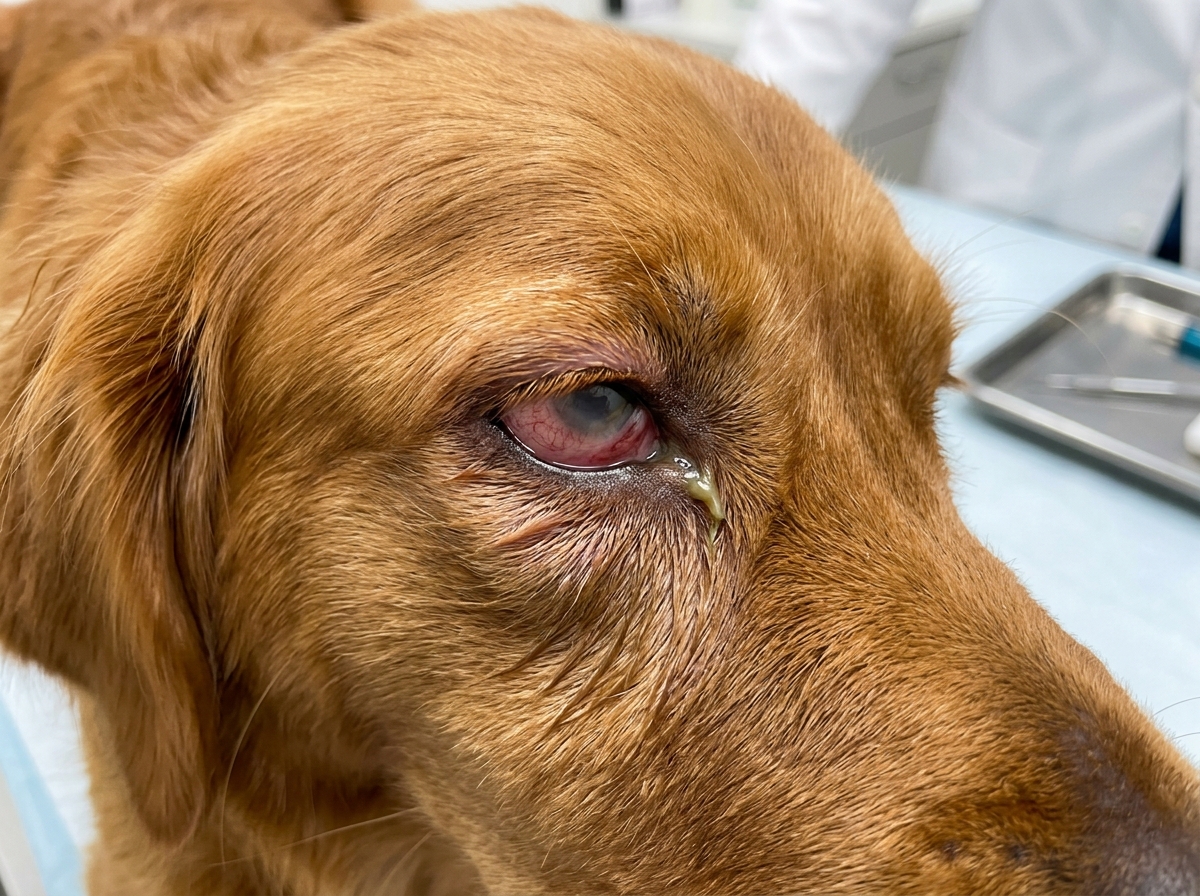
Conjunctivitis is one of the most common eye infections in dogs. It involves inflammation of the conjunctiva, the tissue lining the eyelids and covering the white part of the eye.
Symptoms include:
- Redness
- Eye discharge
- Swelling
- Excessive blinking
Image: Dog with Conjunctivitis

2. Keratitis
Keratitis is inflammation of the cornea and can result from injury, infection, or chronic irritation.
Common signs include:
- Cloudy eyes
- Pain
- Excessive tearing
- Vision problems
3. Uveitis
Uveitis affects the internal structures of the eye and can be a serious condition requiring immediate veterinary attention.
Symptoms may include:
- Eye redness
- Squinting
- Light sensitivity
- Vision loss
How Veterinarians Diagnose Eye Infections
A veterinarian may perform several tests, including:
- Physical eye examination
- Fluorescein staining
- Tear production test
- Eye pressure measurement
- Culture and sensitivity testing
These tests help determine the exact cause and the most effective treatment.
Treatment Options for Dog Eye Infections
Treatment depends on the underlying cause and severity of the infection.
Medications
Your veterinarian may prescribe:
- Antibiotic eye drops
- Antiviral medications
- Anti-inflammatory medications
- Artificial tears
- Antifungal treatments
Cleaning the Eye
Keeping the affected eye clean can help reduce irritation and remove discharge. Use only veterinarian-approved eye-cleaning solutions.
Preventing Further Irritation
Dogs may need an Elizabethan collar (cone) to prevent rubbing or scratching the infected eye.
Home Care Tips for Dogs with Eye Infections
While veterinary care is essential, these home care tips can support recovery:
- Follow medication instructions carefully.
- Keep the eye area clean.
- Prevent your dog from rubbing its eyes.
- Avoid exposure to dust, smoke, and strong chemicals.
- Monitor symptoms daily.
Never use human eye drops unless specifically recommended by your veterinarian.
How to Prevent Dog Eye Infections
Preventive care can significantly reduce the risk of eye problems.
Image: Healthy Dog Eye Check

Prevention Tips
- Schedule regular veterinary checkups.
- Keep your dog’s face and eyes clean.
- Trim hair around the eyes when necessary.
- Protect your dog from environmental irritants.
- Address allergies promptly.
- Inspect your dog’s eyes regularly for changes.
When to See a Veterinarian
Seek immediate veterinary attention if your dog experiences:
- Severe eye redness
- Thick discharge
- Eye swelling
- Sudden vision changes
- Eye injury
- Persistent symptoms lasting more than 24 hours
Prompt treatment can prevent serious complications and preserve your dog’s vision.
Frequently Asked Questions
Can dog eye infections go away on their own?
Some minor irritations may improve naturally, but true infections typically require veterinary evaluation and treatment.
Are dog eye infections contagious?
Certain bacterial and viral infections can spread to other dogs. Isolating infected pets may help reduce transmission.
How long does it take for a dog eye infection to heal?
Most mild infections improve within a few days of treatment, while more severe cases may take several weeks to fully resolve.
Conclusion
Dog eye infections are common but should never be ignored. Early recognition, proper diagnosis, and timely treatment are crucial for protecting your dog’s vision and overall well-being. By understanding the symptoms and taking preventive measures, pet owners can help keep their dogs’ eyes healthy and comfortable for years to come.