Cashews are a popular snack enjoyed by many people due to their rich, buttery flavor and impressive nutritional profile. If you’re a dog owner, you may have wondered whether it’s safe to share a few cashews with your furry friend. The good news is that dogs can eat cashews in moderation, but there are some important precautions to keep in mind.
In this article, we’ll explore the benefits, risks, and best practices for feeding cashews to dogs.
Are Cashews Safe for Dogs?
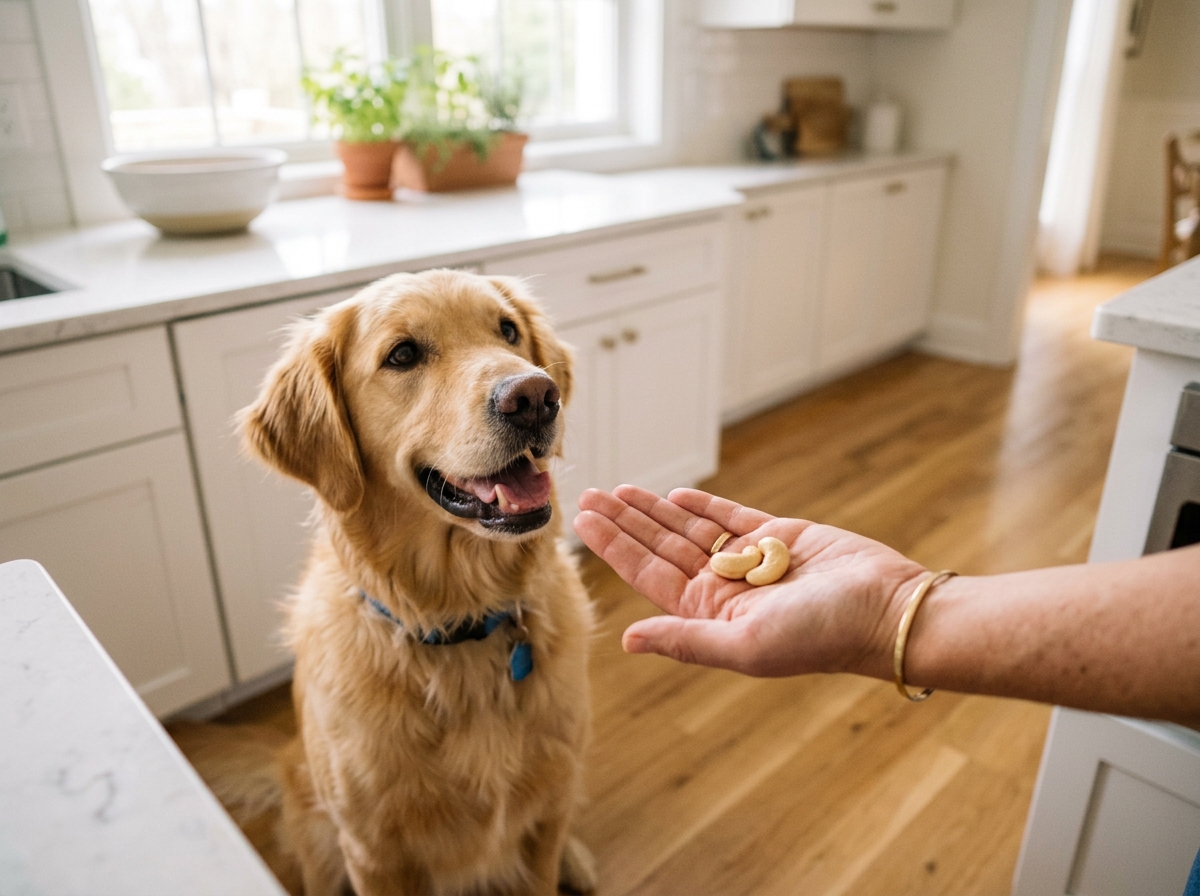
Yes, plain, unsalted cashews are generally safe for dogs when given in small amounts. Unlike some nuts that are toxic to dogs, such as macadamia nuts, cashews do not contain compounds known to be poisonous to canines.
However, cashews are high in fat and calories, so they should only be offered as an occasional treat rather than a regular part of your dog’s diet.
Image Suggestion:
Nutritional Benefits of Cashews for Dogs
Cashews contain several nutrients that can support your dog’s overall health when consumed in moderation:
1. Healthy Fats
Cashews provide healthy unsaturated fats that can contribute to skin and coat health.
2. Protein
Protein helps support muscle development and maintenance.
3. Vitamins and Minerals
Cashews contain essential nutrients such as:
- Magnesium
- Copper
- Zinc
- Iron
- Vitamin K
These nutrients play important roles in bone health, immune function, and energy production.
Potential Risks of Feeding Cashews to Dogs
While cashews are not toxic, they do come with certain risks.
High Fat Content
Too many cashews can lead to:
- Weight gain
- Digestive upset
- Pancreatitis in susceptible dogs
Pancreatitis is a serious condition that causes inflammation of the pancreas and may require veterinary treatment.
Added Salt and Seasonings
Many packaged cashews contain:
- Salt
- Garlic powder
- Onion powder
- Artificial flavorings
These ingredients can be harmful to dogs. Always choose plain, unsalted cashews.
Choking Hazard
Whole cashews can present a choking risk, especially for small dogs. Breaking them into smaller pieces can help reduce this risk.
How Many Cashews Can Dogs Eat?
The appropriate amount depends on your dog’s size.
Small Dogs
1–2 cashews occasionally.
Medium Dogs
2–4 cashews occasionally.
Large Dogs
4–6 cashews occasionally.
Treats should make up no more than 10% of your dog’s daily calorie intake.
Image Suggestion:
Can Puppies Eat Cashews?
Puppies can technically eat small amounts of plain cashews, but it’s generally best to avoid giving them nuts. Puppies have sensitive digestive systems, and high-fat foods may cause stomach upset.
If you want to introduce cashews, consult your veterinarian first and offer only a tiny piece.
Symptoms of Eating Too Many Cashews
Monitor your dog for the following signs after consuming cashews:
- Vomiting
- Diarrhea
- Stomach pain
- Loss of appetite
- Lethargy
Contact your veterinarian if symptoms persist or worsen.
Better Alternatives to Cashews
If you’re looking for healthier treats, consider:
- Carrot sticks
- Apple slices (without seeds)
- Blueberries
- Green beans
- Plain pumpkin
These options are lower in fat and provide valuable nutrients.
Frequently Asked Questions
Can dogs eat roasted cashews?
Yes, as long as they are plain, unsalted, and free from harmful seasonings.
Can dogs eat cashew butter?
Plain cashew butter may be safe in small amounts, but check the ingredient list carefully. Avoid products containing xylitol, which is highly toxic to dogs.
Are cashews toxic to dogs?
No, cashews are not toxic to dogs. However, excessive consumption can lead to digestive problems and weight gain.
Final Verdict
Dogs can eat cashews safely when they are plain, unsalted, and given in moderation. While cashews offer some nutritional benefits, they are high in fat and calories, making them better suited as an occasional treat rather than a dietary staple.
Whenever introducing a new food, start with a small amount and watch for any adverse reactions. If you have concerns about your dog’s diet or health, consult your veterinarian for personalized advice.