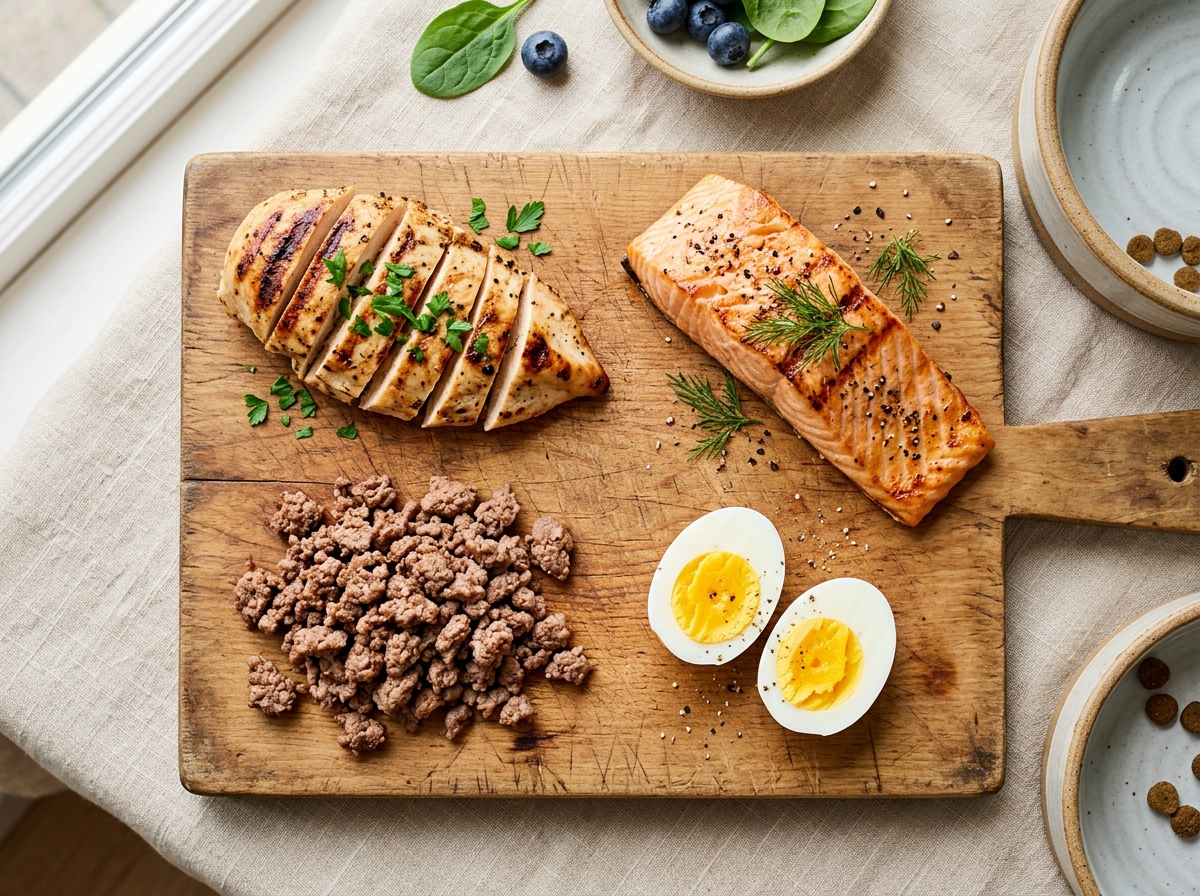
Protein is one of the most important nutrients in a dog’s diet. It helps build and repair muscles, supports healthy skin and coat, strengthens the immune system, and provides energy for daily activities. Whether you have a growing puppy, an active adult dog, or a senior companion, choosing high-quality protein sources is essential for maintaining optimal health.
In this guide, we’ll explore the best protein sources for dogs and explain why each one deserves a place in your pet’s diet.
Why Protein Matters for Dogs
Dogs require protein to support nearly every function in their bodies. Amino acids, the building blocks of protein, help maintain muscle mass, promote healthy organ function, and support tissue repair. A protein-rich diet is particularly important for active dogs, working breeds, and puppies that are still growing.
The quality of protein matters just as much as the quantity. High-quality animal-based proteins provide all the essential amino acids dogs need for proper health and development.
1. Chicken – A Lean and Popular Protein Source
Chicken is one of the most common protein sources found in commercial dog foods. It’s lean, easily digestible, and packed with essential amino acids.
Benefits of Chicken:
- High-quality lean protein
- Rich in vitamins B6 and B12
- Supports muscle development
- Easy for most dogs to digest
When feeding chicken, ensure it is cooked thoroughly and free from bones, seasoning, garlic, and onions.
2. Turkey
Turkey is another excellent lean protein source that provides many of the same benefits as chicken while being lower in fat than some red meats.
Benefits of Turkey:
- Supports muscle maintenance
- Rich in zinc and selenium
- Easy to digest
- Suitable for many dogs with food sensitivities
Cook plain turkey without added spices or oils before serving.
3. Beef
Beef is packed with protein, iron, zinc, and essential nutrients that support overall canine health. Many dogs enjoy the rich flavor of beef, making it a popular choice.
Benefits of Beef:
- Excellent source of amino acids
- Supports muscle growth
- Rich in iron and zinc
- Provides natural energy
Choose lean cuts whenever possible to avoid excessive fat intake.
4. Fish
Fish is one of the healthiest protein sources available for dogs. Varieties such as salmon, sardines, and whitefish provide high-quality protein along with beneficial omega-3 fatty acids.
Benefits of Fish:
- Supports brain function
- Promotes healthy skin and coat
- Reduces inflammation
- Easy to digest
Salmon and sardines are particularly valuable due to their high omega-3 content.
5. Eggs – A Nutritional Powerhouse
Eggs are considered one of the most complete protein sources available. They contain all essential amino acids and are highly digestible.
Benefits of Eggs:
- Complete protein source
- Rich in vitamins and minerals
- Supports muscle repair
- Great addition to regular meals
Always serve eggs cooked to reduce the risk of bacterial contamination.
6. Lamb
Lamb is often recommended for dogs with sensitivities to common proteins like chicken or beef. It offers excellent nutrition and a unique flavor many dogs enjoy.
Benefits of Lamb:
- Rich in essential amino acids
- Good source of iron and vitamin B12
- Suitable for elimination diets
- Highly palatable
Lamb can be found in many premium dog food formulas designed for sensitive stomachs.
7. Duck
Duck provides a novel protein option for dogs with food allergies or sensitivities. It’s rich in protein and healthy fats.
Benefits of Duck:
- Alternative protein source
- Supports skin and coat health
- Rich flavor dogs love
- Good for sensitive diets
Because duck contains more fat than chicken, portion control is important.
8. Venison
Venison is a lean red meat that has become increasingly popular in specialty dog foods.
Benefits of Venison:
- High-quality protein
- Low in fat
- Great for dogs with common food allergies
- Rich in iron and B vitamins
Many veterinarians recommend venison for dogs undergoing food allergy testing.
Plant-Based Protein Sources
While animal proteins should remain the primary source of protein for dogs, some plant-based ingredients can contribute additional nutrients.
Examples include:
- Peas
- Lentils
- Chickpeas
- Quinoa
These ingredients should complement animal proteins rather than replace them entirely.
How Much Protein Does Your Dog Need?
Protein requirements vary based on age, activity level, breed, and overall health.
General guidelines:
- Puppies: Higher protein requirements for growth
- Active dogs: Increased protein for muscle maintenance
- Senior dogs: Moderate to high-quality protein to preserve muscle mass
Consult your veterinarian to determine the ideal protein intake for your dog’s specific needs.
Final Thoughts
Choosing the right protein source is one of the best ways to support your dog’s long-term health. Chicken, turkey, beef, fish, eggs, lamb, duck, and venison all provide valuable nutrients that help maintain strong muscles, healthy skin, and overall vitality.
For most dogs, a balanced diet that includes high-quality animal proteins will provide the amino acids and nutrients they need to thrive. Always introduce new protein sources gradually and consult your veterinarian if your dog has allergies, digestive issues, or special dietary requirements.