Puppies are loving and social animals that quickly form strong bonds with their owners. While this attachment is natural, some puppies struggle when left alone, leading to a condition known as puppy separation anxiety. Understanding the causes, recognizing the signs, and implementing the right training techniques can help your puppy become more confident and comfortable when you’re away.
What Is Puppy Separation Anxiety?
Puppy separation anxiety is a behavioral condition in which a puppy experiences stress, fear, or panic when separated from its owner. Unlike normal puppy behavior, separation anxiety causes intense emotional distress that can result in destructive actions, excessive vocalization, and other unwanted behaviors.
Many puppies go through a temporary adjustment period when they first arrive in a new home, but separation anxiety is more severe and often requires consistent training and management.
Common Signs of Separation Anxiety in Puppies


Recognizing the symptoms early can help prevent the condition from worsening. Common signs include:
- Excessive barking, whining, or howling when left alone
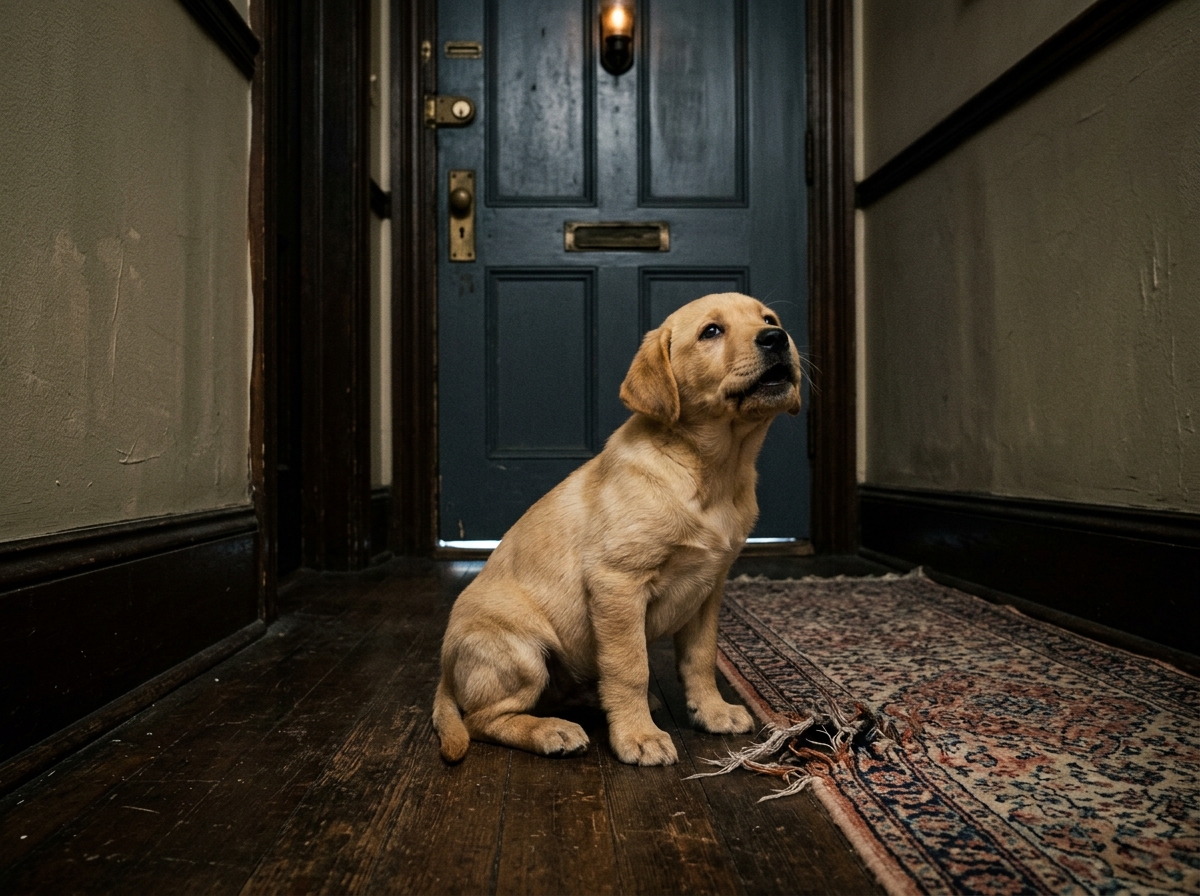
- Destructive chewing of furniture, doors, or household items
- Scratching at doors or windows
- Pacing back and forth
- Attempts to escape from crates or rooms
- House-training accidents despite being trained
- Excessive drooling or panting
These behaviors usually begin shortly after the owner leaves and may stop once they return.
What Causes Separation Anxiety in Puppies?
Several factors can contribute to separation anxiety:
1. Sudden Changes in Routine
Puppies thrive on consistency. Changes in schedules, work hours, or household routines can trigger anxiety.
2. Early Separation from Mother and Littermates
Puppies separated too early from their mother and siblings may have difficulty developing confidence and independence.
3. Lack of Socialization
Insufficient exposure to different environments and experiences can make puppies more dependent on their owners.
4. Major Life Changes
Moving to a new home, changes in family members, or the loss of another pet can increase stress levels.
Breeds More Prone to Separation Anxiety
While any puppy can develop separation anxiety, some breeds are naturally more attached to their owners. These include:
- Labrador Retrievers
- Golden Retrievers
- Border Collies
- German Shepherds
- Cavalier King Charles Spaniels
- Australian Shepherds
These intelligent and affectionate breeds often require additional mental stimulation and training.
How to Help a Puppy with Separation Anxiety


Create Positive Associations
Teach your puppy that being alone is not scary. Offer treats, puzzle toys, or chew toys before leaving so they associate your departure with something enjoyable.
Practice Short Departures
Start by leaving for just a few minutes and gradually increase the duration. This helps your puppy learn that you always return.
Establish a Consistent Routine
Regular feeding, exercise, playtime, and rest periods help reduce uncertainty and stress.
Provide Mental Stimulation
Interactive toys, food puzzles, and enrichment games keep puppies occupied and reduce boredom.
Avoid Dramatic Goodbyes
Keeping departures and arrivals calm helps prevent emotional dependency and excitement.
Ensure Adequate Exercise
A tired puppy is generally more relaxed. Daily walks, play sessions, and training exercises can significantly reduce anxiety levels.
Crate Training and Separation Anxiety
Crate training can be beneficial when introduced properly. The crate should be a safe and comfortable space rather than a form of punishment. Use treats, toys, and positive reinforcement to help your puppy develop positive feelings toward the crate.
However, if a puppy has severe separation anxiety, forcing crate confinement may increase stress. In such cases, professional guidance may be necessary.
Mistakes to Avoid
Many owners unintentionally worsen separation anxiety by:
- Punishing anxious behavior
- Leaving puppies alone for long periods too soon
- Creating overly emotional departures
- Ignoring exercise and mental stimulation needs
- Inconsistently following training routines
Patience and consistency are essential for success.
When to Seek Professional Help
If your puppy’s anxiety is severe, persistent, or causing self-injury, consult a veterinarian or a certified dog behaviorist. Professional intervention can help identify underlying issues and create a customized treatment plan.
Conclusion
Puppy separation anxiety can be challenging for both puppies and their owners, but it is a manageable condition. By recognizing the symptoms early, providing proper training, maintaining a consistent routine, and encouraging independence, you can help your puppy develop confidence and feel secure when left alone. With patience and positive reinforcement, most puppies can learn that time apart is temporary and nothing to fear.