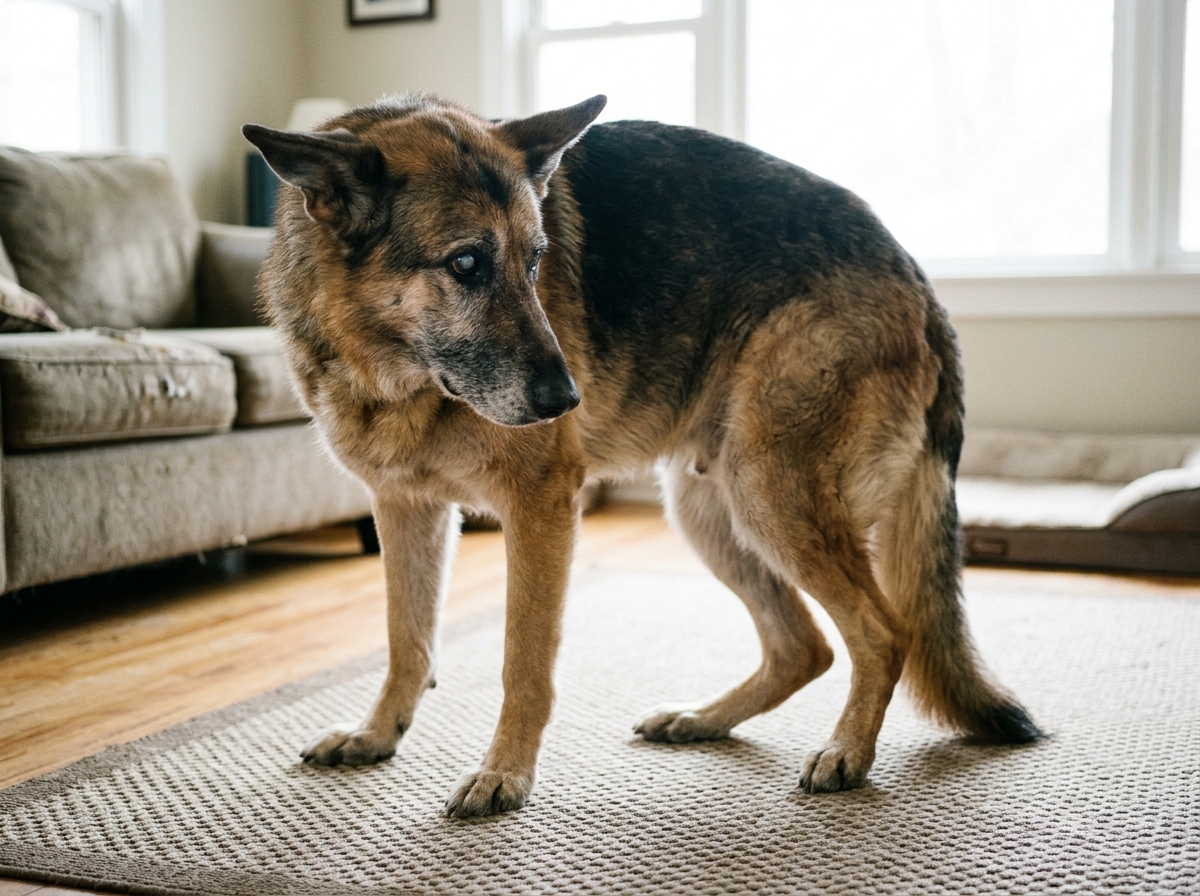
Hip dysplasia is one of the most common orthopedic conditions affecting large and giant dog breeds. It occurs when the hip joint develops improperly, causing instability, pain, reduced mobility, and eventually arthritis. While genetics play a major role, proper care during a dog’s growth and throughout adulthood can significantly reduce the risk and severity of this condition.
This guide explores practical steps dog owners can take to help prevent hip dysplasia and support long-term joint health.
Understanding Hip Dysplasia in Large Dogs


Hip dysplasia occurs when the ball and socket of the hip joint do not fit together correctly. Over time, the abnormal movement causes wear and tear on the joint, leading to inflammation and pain.
Large breeds that are particularly prone to hip dysplasia include:
- German Shepherd
- Labrador Retriever
- Golden Retriever
- Rottweiler
- Saint Bernard
- Great Dane
Although hereditary factors cannot be completely controlled, responsible ownership can greatly reduce the likelihood of severe joint problems.
Choose a Reputable Breeder
One of the most effective prevention strategies begins before bringing a puppy home. Reputable breeders screen their breeding dogs for hip health through veterinary evaluations and certifications.
When selecting a puppy:
- Ask for hip health certifications of both parents.
- Review the breeder’s health-testing records.
- Avoid breeders who cannot provide documentation.
- Choose breeders who prioritize temperament and health over appearance.
Healthy genetics provide a strong foundation for better joint development.
Maintain a Healthy Weight
Excess body weight places additional stress on developing joints. Puppies that grow too quickly or become overweight are at greater risk for hip and joint issues.
To maintain a healthy weight:
- Feed age-appropriate, high-quality food.
- Follow feeding guidelines carefully.
- Monitor body condition regularly.
- Avoid excessive treats and table scraps.
Keeping your dog lean throughout life can significantly reduce joint strain and improve mobility.
Feed a Balanced Diet for Controlled Growth
Large-breed puppies have unique nutritional needs. Rapid growth can place excessive stress on bones and joints, increasing the likelihood of skeletal abnormalities.
Look for foods specifically formulated for large-breed puppies because they typically provide:
- Controlled calorie levels
- Appropriate calcium-to-phosphorus ratios
- Balanced protein content
- Essential vitamins and minerals
Avoid supplements unless recommended by a veterinarian, as excessive calcium can negatively affect bone development.
Provide Appropriate Exercise


Exercise is important for building strong muscles that support the hips, but excessive high-impact activity can damage growing joints.
Recommended activities include:
- Leash walks
- Swimming
- Controlled play sessions
- Light hiking on soft terrain
Activities to limit during puppyhood include:
- Repeated jumping from heights
- Excessive stair climbing
- Intense agility training
- Long-distance running on hard surfaces
Moderate, consistent exercise helps strengthen muscles without overloading the joints.
Use Joint-Friendly Surfaces
Slippery floors can increase stress on the hips and encourage awkward movements.
Consider:
- Area rugs on hardwood floors
- Non-slip mats in frequently used areas
- Orthopedic dog beds
- Ramps for vehicles or furniture when appropriate
Providing stable footing can help reduce unnecessary strain on developing joints.
Support Joint Health Early
Many veterinarians recommend joint-support supplements for large-breed dogs, especially those with a family history of hip problems.
Common ingredients include:
- Glucosamine
- Chondroitin sulfate
- Omega-3 fatty acids
- MSM (Methylsulfonylmethane)
Always consult a veterinarian before introducing supplements to ensure they are appropriate for your dog’s age and condition.
Schedule Regular Veterinary Checkups
Routine veterinary examinations can identify early signs of hip abnormalities before they become severe.
Veterinarians may:
- Assess gait and mobility
- Evaluate joint flexibility
- Monitor growth rates
- Recommend imaging if concerns arise
Early detection allows for management strategies that can slow disease progression and improve quality of life.
Watch for Early Warning Signs
Recognizing symptoms early can lead to faster intervention. Common signs include:
- Difficulty standing up
- Reluctance to climb stairs
- Bunny-hopping while running
- Reduced activity levels
- Stiffness after exercise
- Limping or favoring a hind leg
If any of these signs appear, consult a veterinarian promptly.
Conclusion
While hip dysplasia cannot always be completely prevented, dog owners can dramatically reduce the risk and severity through responsible breeding choices, proper nutrition, healthy weight management, appropriate exercise, and regular veterinary care. By focusing on joint health from puppyhood onward, large-breed dogs can enjoy a more active, comfortable, and pain-free life for years to come.