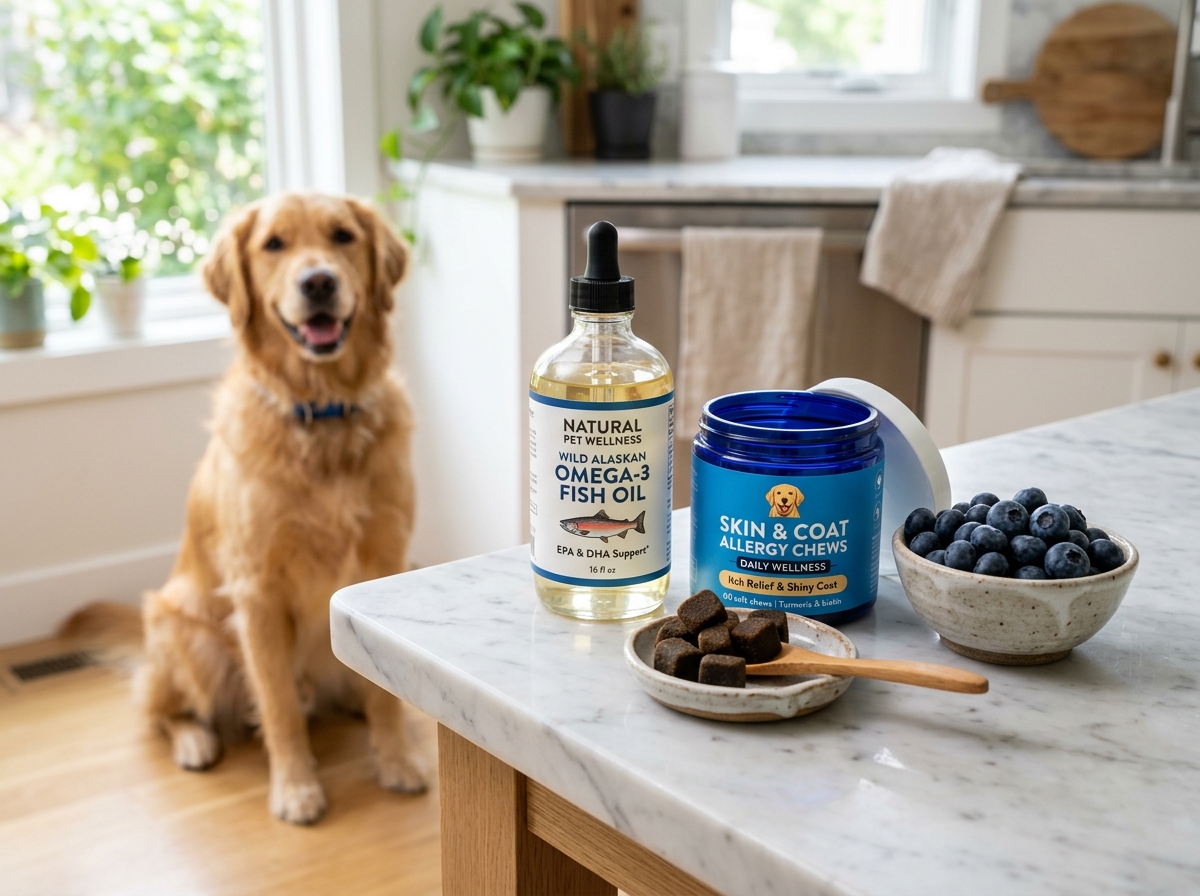
Dog allergies are a common problem that can make life uncomfortable for both pets and their owners. Constant itching, red skin, ear infections, excessive licking, and digestive issues are often signs that your furry friend may be suffering from allergies. While identifying and avoiding allergens is important, many pet owners are turning to allergy supplements to help support their dog’s immune system and reduce symptoms naturally.
In this guide, we’ll explore the best dog allergy supplements, their benefits, and how to choose the right one for your pet.
What Causes Allergies in Dogs?
Dogs can develop allergies from various sources, including:
- Environmental allergens such as pollen, dust mites, and mold
- Food ingredients like chicken, beef, dairy, or wheat
- Flea bites and insect stings
- Household cleaning products and chemicals
Symptoms can range from mild itching to severe skin irritation and digestive problems.
Signs Your Dog May Need an Allergy Supplement
Before introducing any supplement, look for common allergy symptoms:
- Frequent scratching or licking
- Red, inflamed skin
- Hot spots
- Chronic ear infections
- Watery eyes
- Sneezing
- Digestive upset
- Hair loss
If these symptoms persist, consult your veterinarian for a proper diagnosis.
Benefits of Dog Allergy Supplements
Many allergy supplements are designed to support skin health, reduce inflammation, and strengthen the immune system. Benefits may include:
- Reduced itching and scratching
- Improved skin and coat condition
- Better immune system function
- Reduced inflammation
- Enhanced gut health
- Improved overall comfort and quality of life
Image: Dog Scratching Due to Allergies

Best Types of Dog Allergy Supplements
1. Omega-3 Fatty Acids
Omega-3 fatty acids are among the most recommended supplements for dogs with allergies. They help reduce inflammation and support healthy skin.
Benefits:
- Reduces itching
- Improves coat shine
- Supports joint and heart health
Common sources:
- Fish oil
- Salmon oil
- Krill oil
2. Probiotics
A healthy gut plays a major role in immune function. Probiotics can help balance your dog’s digestive system and potentially reduce allergic reactions.
Benefits:
- Supports digestion
- Strengthens immunity
- Helps manage food sensitivities
3. Quercetin
Often called “nature’s antihistamine,” quercetin is a plant-based antioxidant that may help reduce allergy symptoms.
Benefits:
- Natural antihistamine properties
- Reduces inflammation
- Supports immune health
4. Colostrum
Colostrum contains antibodies and immune-supporting compounds that may help dogs better tolerate allergens.
Benefits:
- Supports immune function
- Promotes gut health
- May reduce allergy severity
5. Coconut Oil
Coconut oil can be used both internally and externally to help soothe irritated skin.
Benefits:
- Moisturizes dry skin
- Supports skin healing
- Contains antimicrobial properties
Image: Healthy Dog with a Shiny Coat

Ingredients to Look For
When shopping for allergy supplements, look for products containing:
- Omega-3 fatty acids
- Probiotics
- Quercetin
- Colostrum
- Turmeric
- Vitamin E
- Zinc
- Biotin
These ingredients commonly support skin health and immune function.
Ingredients to Avoid
Avoid supplements that contain:
- Artificial colors
- Artificial preservatives
- Excessive fillers
- Unnecessary sugars
- Low-quality protein sources
Always choose products from reputable manufacturers that provide transparent ingredient lists.
How to Choose the Best Dog Allergy Supplement
Consider the following factors:
Your Dog’s Specific Allergy Type
Different supplements target different issues. Skin allergies may benefit from omega-3s, while food sensitivities may respond better to probiotics.
Age and Size
Ensure the supplement is formulated for your dog’s age, weight, and breed size.
Quality and Testing
Look for third-party testing, veterinarian recommendations, and positive customer reviews.
Ease of Administration
Choose a format your dog enjoys, such as:
- Soft chews
- Powders
- Capsules
- Liquid oils
Frequently Asked Questions
Do allergy supplements cure dog allergies?
No. Supplements do not cure allergies, but they may help manage symptoms and improve overall comfort.
How long does it take to see results?
Many dogs show improvement within 3 to 8 weeks, depending on the supplement and severity of symptoms.
Can dogs take multiple allergy supplements?
In some cases, yes. However, always consult your veterinarian before combining supplements.
Final Thoughts
The best dog allergy supplements can play an important role in managing allergy symptoms and supporting your dog’s overall health. Omega-3 fatty acids, probiotics, quercetin, colostrum, and coconut oil are among the most popular options for reducing itching, improving skin health, and strengthening the immune system.
Before starting any supplement, speak with your veterinarian to ensure it’s appropriate for your dog’s individual needs. With the right combination of nutrition, veterinary care, and allergy support, your dog can enjoy a healthier, happier, and more comfortable life.