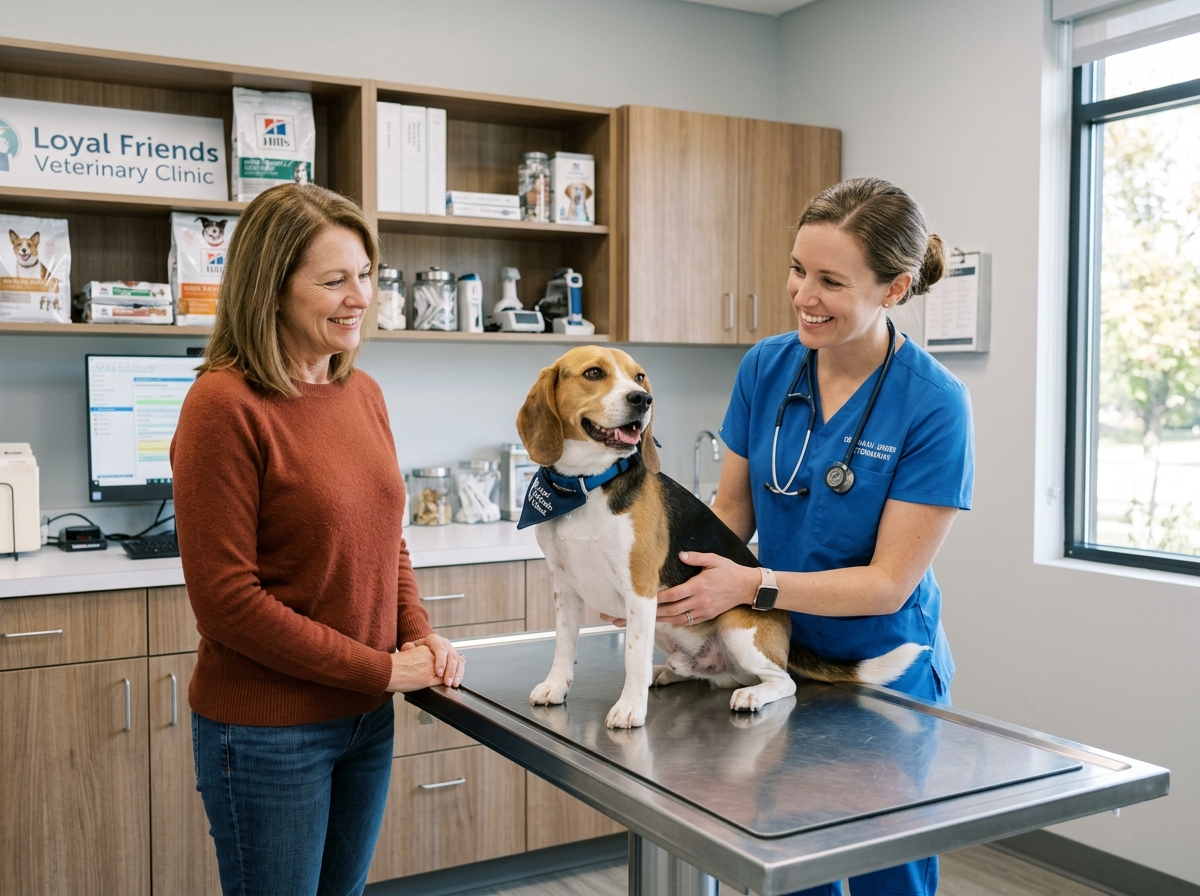
Owning a dog comes with many responsibilities, and one of the most important is ensuring your furry friend receives regular veterinary care. Routine vet visits help prevent illnesses, detect health problems early, and keep your dog living a long, happy life. However, many pet owners wonder: How often should you take your dog to the vet? The answer depends on your dog’s age, health condition, and lifestyle.
Why Regular Vet Visits Matter
Just like humans need regular medical checkups, dogs benefit from routine veterinary examinations. Many health issues, such as dental disease, obesity, arthritis, and certain infections, can develop gradually without obvious symptoms. Regular visits allow veterinarians to identify and address problems before they become serious.
Benefits of routine vet visits include:
- Early detection of diseases
- Vaccination updates
- Parasite prevention
- Dental health monitoring
- Nutritional guidance
- Weight management
- Behavioral assessments
Vet Visits for Puppies


Puppies require the most frequent veterinary visits during their first year of life. Their immune systems are still developing, making preventive care especially important.
Typically, puppies should visit the vet:
- Every 3 to 4 weeks from 6 to 16 weeks of age
- For vaccinations and booster shots
- For deworming treatments
- To monitor growth and development
- For spaying or neutering discussions
These visits help establish a strong foundation for lifelong health.
Vet Visits for Adult Dogs
Once your dog reaches adulthood, annual wellness exams are generally recommended. During these visits, your veterinarian will perform a comprehensive physical examination and assess your dog’s overall health.
Adult dogs should typically see a vet:
- At least once per year
- For annual vaccinations
- For parasite screenings
- For dental evaluations
- For preventive health discussions
Dogs with chronic conditions such as diabetes, allergies, or heart disease may require more frequent appointments.
Senior Dogs Need More Frequent Checkups


As dogs age, their risk of developing health problems increases significantly. Most dogs are considered seniors between 7 and 10 years old, depending on their breed and size.
Veterinarians often recommend:
- Checkups every six months
- Blood work and diagnostic testing
- Arthritis assessments
- Vision and hearing evaluations
- Cancer screenings
Because dogs age faster than humans, a six-month interval can be comparable to several years in human health terms.
Signs Your Dog Needs an Immediate Vet Visit
Regardless of your dog’s regular schedule, some symptoms require prompt veterinary attention:
- Difficulty breathing
- Persistent vomiting or diarrhea
- Loss of appetite lasting more than 24 hours
- Sudden weight loss
- Lethargy or weakness
- Seizures
- Blood in urine or stool
- Difficulty walking
- Severe itching or skin infections
If you notice any of these signs, contact your veterinarian as soon as possible.
The Importance of Preventive Care
Preventive care is often less expensive and more effective than treating advanced illnesses. Regular veterinary visits help maintain your dog’s health while reducing the likelihood of costly emergency treatments.
A preventive care plan may include:
- Vaccinations
- Flea and tick prevention
- Heartworm protection
- Dental cleanings
- Nutritional counseling
- Routine blood testing
Conclusion
The frequency of veterinary visits depends largely on your dog’s life stage and health status. Puppies typically require multiple visits during their first year, healthy adult dogs should have annual wellness exams, and senior dogs benefit from checkups every six months. Staying proactive with veterinary care helps ensure your dog enjoys a healthier, happier life and allows potential health issues to be identified before they become serious problems.
By maintaining a regular vet schedule and paying attention to changes in your dog’s behavior or health, you can give your canine companion the best possible care throughout every stage of life.