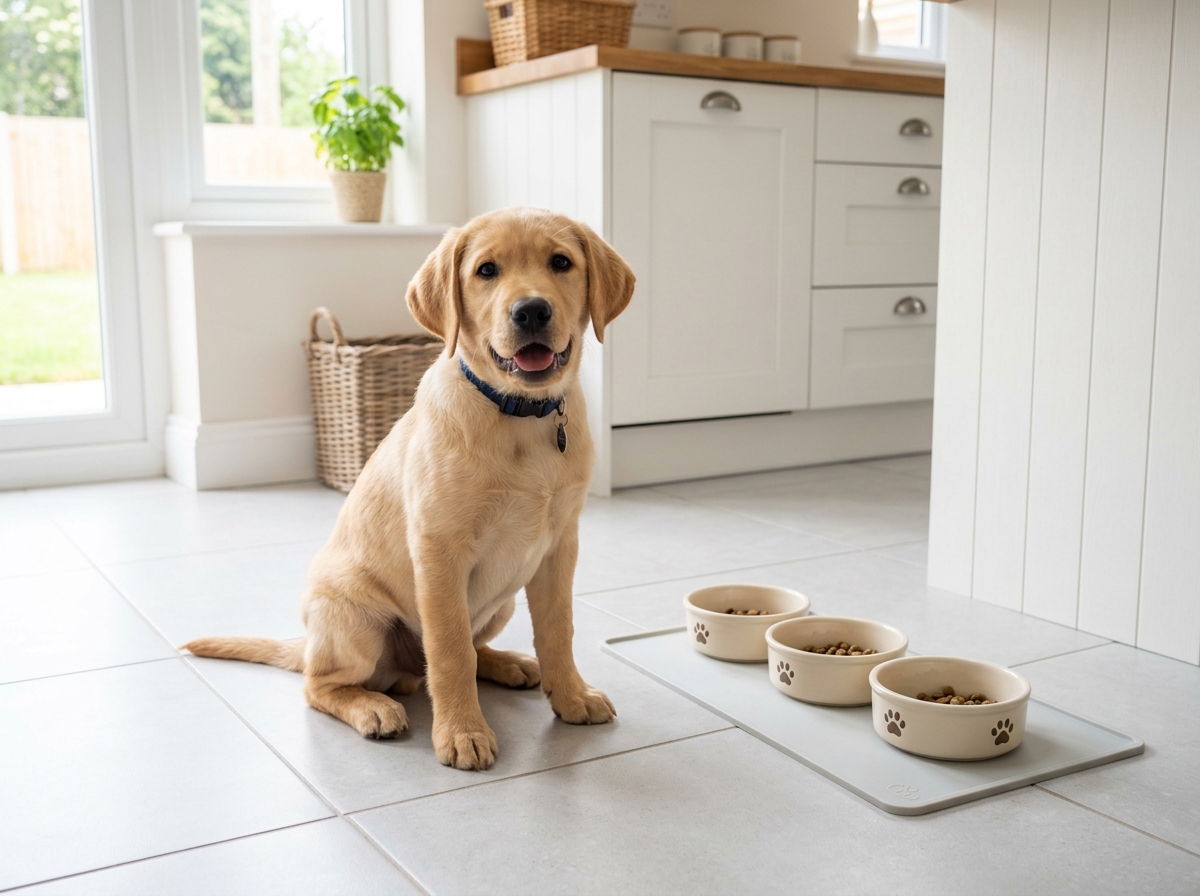
Raising a healthy puppy starts with proper nutrition and a consistent feeding schedule. Puppies grow rapidly during their first year, and their dietary needs change as they age. Feeding the right amount of food at the right times helps support healthy growth, digestion, energy levels, and overall development.
This guide breaks down the ideal puppy feeding schedule by age so you can ensure your furry friend gets the nutrition they need at every stage of life.
Why a Feeding Schedule Matters
A structured feeding schedule offers several benefits:
- Supports healthy growth and development
- Helps regulate digestion
- Makes house training easier
- Prevents overeating and obesity
- Creates a routine that puppies can rely on
Puppies have small stomachs and high energy needs, which means they require frequent meals throughout the day.
Feeding Newborn Puppies (0–4 Weeks)


During the first four weeks of life, puppies rely entirely on their mother’s milk. Mother’s milk contains essential nutrients and antibodies that help protect puppies from illness.
Feeding Guidelines:
- Feed on demand from the mother.
- Newborn puppies typically nurse every 2–3 hours.
- If the mother is unavailable, use a veterinarian-approved puppy milk replacer.
- Never feed cow’s milk, as it can cause digestive issues.
Feeding Puppies (4–8 Weeks)
Around four weeks of age, puppies begin the weaning process. This is when they gradually transition from milk to solid food.
Feeding Schedule:
- 4 meals per day
- Softened puppy food mixed with warm water or puppy formula
Example Schedule:
- 7:00 AM
- 11:00 AM
- 3:00 PM
- 7:00 PM
At this stage, offer small portions and monitor how well the puppy adapts to solid food.
Feeding Puppies (8–12 Weeks)
Most puppies go to their new homes between 8 and 12 weeks of age. Their nutritional needs remain high, and frequent meals are still necessary.
Feeding Schedule:
- 4 meals per day
Example Schedule:
| Time | Meal |
|---|---|
| 7:00 AM | Breakfast |
| 11:00 AM | Mid-Morning Meal |
| 3:00 PM | Afternoon Meal |
| 7:00 PM | Dinner |
Tips:
- Use high-quality puppy food.
- Follow feeding recommendations on the food packaging.
- Ensure fresh water is always available.
Feeding Puppies (3–6 Months)


By three months of age, puppies can usually transition to three meals per day. Their digestive systems become more developed, allowing them to handle slightly larger portions.
Feeding Schedule:
- 3 meals per day
Example Schedule:
- 7:00 AM – Breakfast
- 1:00 PM – Lunch
- 7:00 PM – Dinner
Benefits:
- Maintains steady energy levels
- Supports rapid growth
- Reduces the risk of overeating
Feeding Puppies (6–12 Months)
Most puppies can transition to two meals per day between six and twelve months of age, depending on their breed and size.
Feeding Schedule:
- 2 meals per day
Example Schedule:
- 7:00 AM – Breakfast
- 6:00 PM – Dinner
Important Notes:
- Large-breed puppies may require specialized diets to support controlled growth.
- Toy breeds may need more frequent meals to prevent low blood sugar.
- Continue feeding puppy-specific food until your veterinarian recommends switching to adult food.
Puppy Feeding Chart by Age
| Puppy Age | Meals Per Day |
|---|---|
| 0–4 Weeks | Nursing on demand |
| 4–8 Weeks | 4 meals |
| 8–12 Weeks | 4 meals |
| 3–6 Months | 3 meals |
| 6–12 Months | 2 meals |
Signs Your Puppy Is Getting the Right Amount of Food
A well-fed puppy should:
- Maintain steady growth
- Have good energy levels
- Produce firm stools
- Maintain a healthy body condition
- Have a shiny coat
If your puppy appears underweight, overweight, or has digestive issues, consult your veterinarian for personalized feeding recommendations.
Common Puppy Feeding Mistakes
Avoid these common mistakes:
- Free-feeding all day long
- Feeding adult dog food too early
- Giving excessive treats
- Overfeeding table scraps
- Suddenly changing food brands without a gradual transition
When to Switch to Adult Dog Food
The timing depends on breed size:
- Small breeds: Around 9–12 months
- Medium breeds: Around 12 months
- Large breeds: 12–18 months
- Giant breeds: Up to 24 months
Always consult your veterinarian before making the transition.
Final Thoughts
A proper puppy feeding schedule is one of the most important factors in raising a healthy and happy dog. Younger puppies need frequent meals to fuel rapid growth, while older puppies can gradually move to fewer feedings each day. By following age-appropriate feeding guidelines and choosing high-quality puppy food, you’ll give your puppy the best possible start in life.