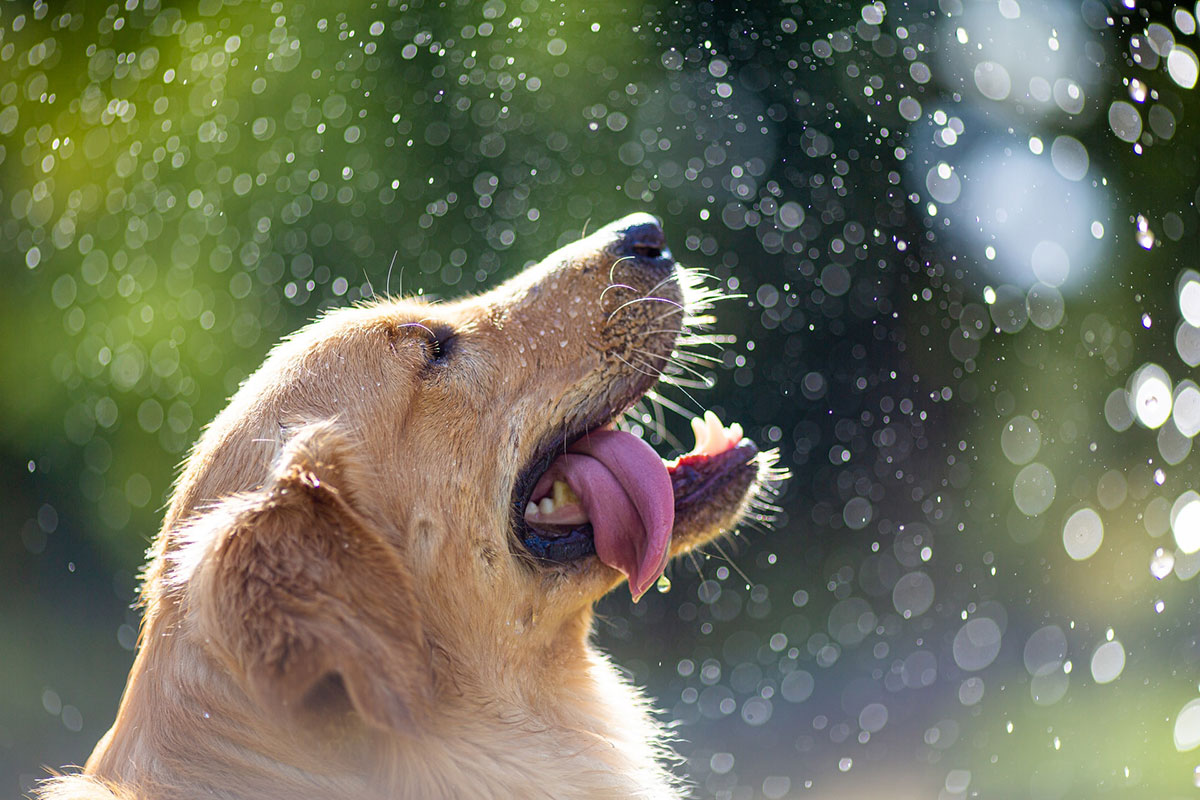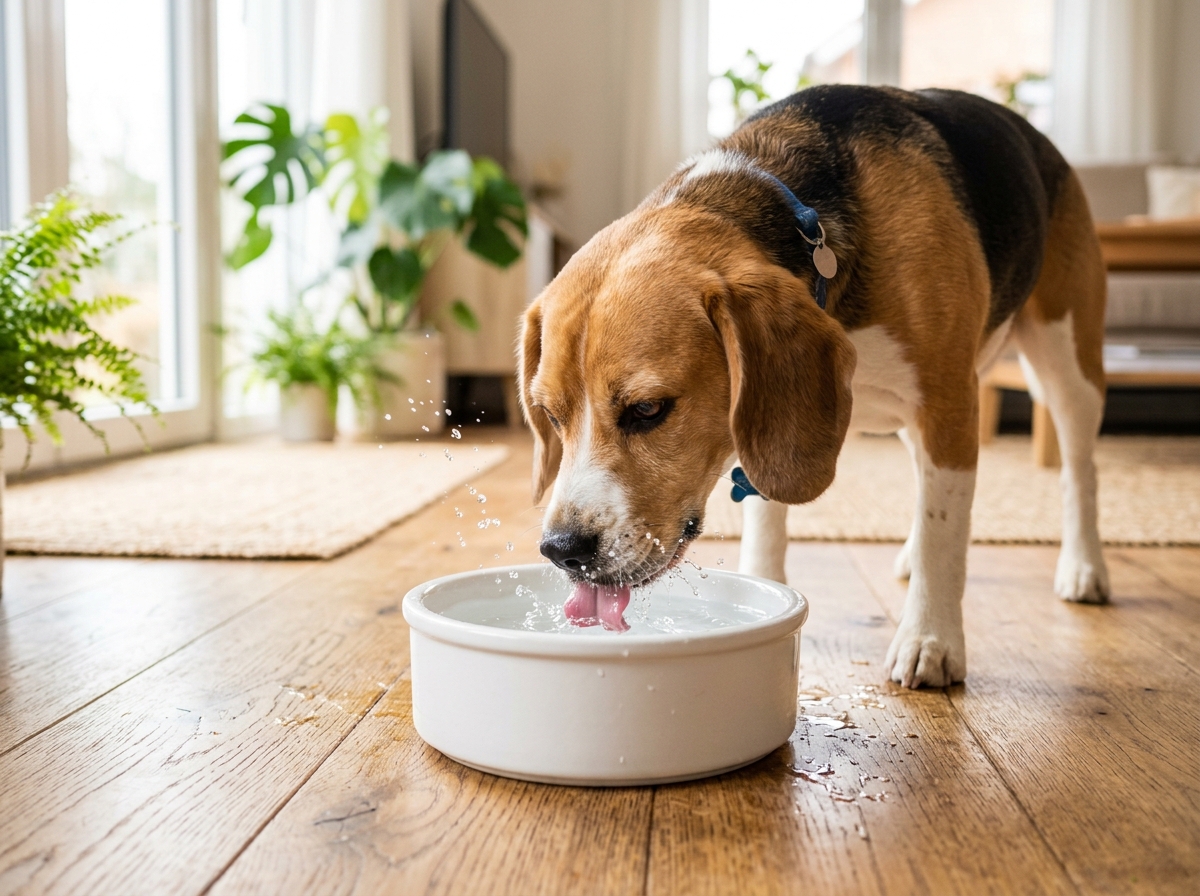
Water is one of the most important nutrients for dogs. Just like humans, dogs need adequate hydration to maintain healthy body functions, regulate temperature, aid digestion, and support overall well-being. Understanding how much water your dog should drink daily can help prevent dehydration and ensure a healthier, happier pet.
Why Is Water Important for Dogs?
A dog’s body is made up of approximately 60% water. Every organ, tissue, and cell relies on water to function properly. Water helps transport nutrients, flush out toxins, lubricate joints, and regulate body temperature. Without enough water, dogs can quickly become dehydrated, leading to serious health complications.
How Much Water Does a Dog Need Each Day?


As a general guideline, dogs should drink about 1 ounce (30 ml) of water per pound (0.45 kg) of body weight per day.
For example:
- A 10-pound dog needs about 10 ounces (300 ml) of water daily.
- A 25-pound dog needs about 25 ounces (750 ml) of water daily.
- A 50-pound dog needs about 50 ounces (1.5 liters) of water daily.
- A 75-pound dog needs about 75 ounces (2.2 liters) of water daily.
However, these amounts are only estimates. Individual water needs can vary based on several factors.
Factors That Affect a Dog’s Water Intake
Activity Level
Active dogs, working dogs, and dogs that exercise frequently will require more water than less active pets. Running, playing, and training sessions increase fluid loss through panting.
Weather Conditions


Hot and humid weather increases a dog’s need for water. During summer months, dogs may drink significantly more than usual to stay cool.
Diet
Dogs that eat dry kibble generally drink more water because dry food contains very little moisture. In contrast, dogs fed wet or canned food often consume less water since their food already contains a high percentage of moisture.
Age and Health
Puppies, senior dogs, pregnant dogs, and nursing mothers may have different hydration requirements. Certain medical conditions such as kidney disease, diabetes, or infections can also increase thirst.
Signs of Dehydration in Dogs
Pet owners should watch for symptoms of dehydration, including:
- Dry or sticky gums
- Excessive panting
- Loss of appetite
- Sunken eyes
- Lethargy or weakness
- Reduced skin elasticity
- Thick saliva
If your dog shows severe signs of dehydration, contact a veterinarian immediately.
Tips to Keep Your Dog Properly Hydrated
- Always provide clean, fresh water.
- Wash water bowls regularly.
- Carry water during walks and trips.
- Place multiple water stations around your home.
- Add water to dry food if needed.
- Monitor water intake during hot weather and after exercise.
When Should You Be Concerned?
A sudden increase or decrease in water consumption may indicate an underlying health issue. If your dog is drinking excessively or refusing water for an extended period, consult your veterinarian for evaluation.
Conclusion
Most dogs need approximately one ounce of water per pound of body weight each day, but factors such as activity level, diet, weather, and health can affect their hydration needs. By ensuring constant access to fresh water and monitoring your dog’s drinking habits, you can help support their health and prevent dehydration. A well-hydrated dog is more energetic, comfortable, and better equipped to enjoy daily life.
The article includes two image sections placed under relevant headings for better visual engagement.