Training a stubborn dog can feel challenging, but with patience, consistency, and the right techniques, even the most strong-willed dogs can learn good behavior. Many dogs labeled as “stubborn” are actually intelligent, independent, or simply confused by inconsistent training methods. Understanding your dog’s personality is the first step toward successful training.
Understand Why Your Dog Appears Stubborn


Before starting any training program, it’s important to identify why your dog is resisting commands. Common reasons include:
- Lack of motivation
- Inconsistent training rules
- Fear or anxiety
- Distractions in the environment
- Insufficient exercise
A dog that understands what is expected and feels rewarded for cooperation is far more likely to respond positively.
Use Positive Reinforcement
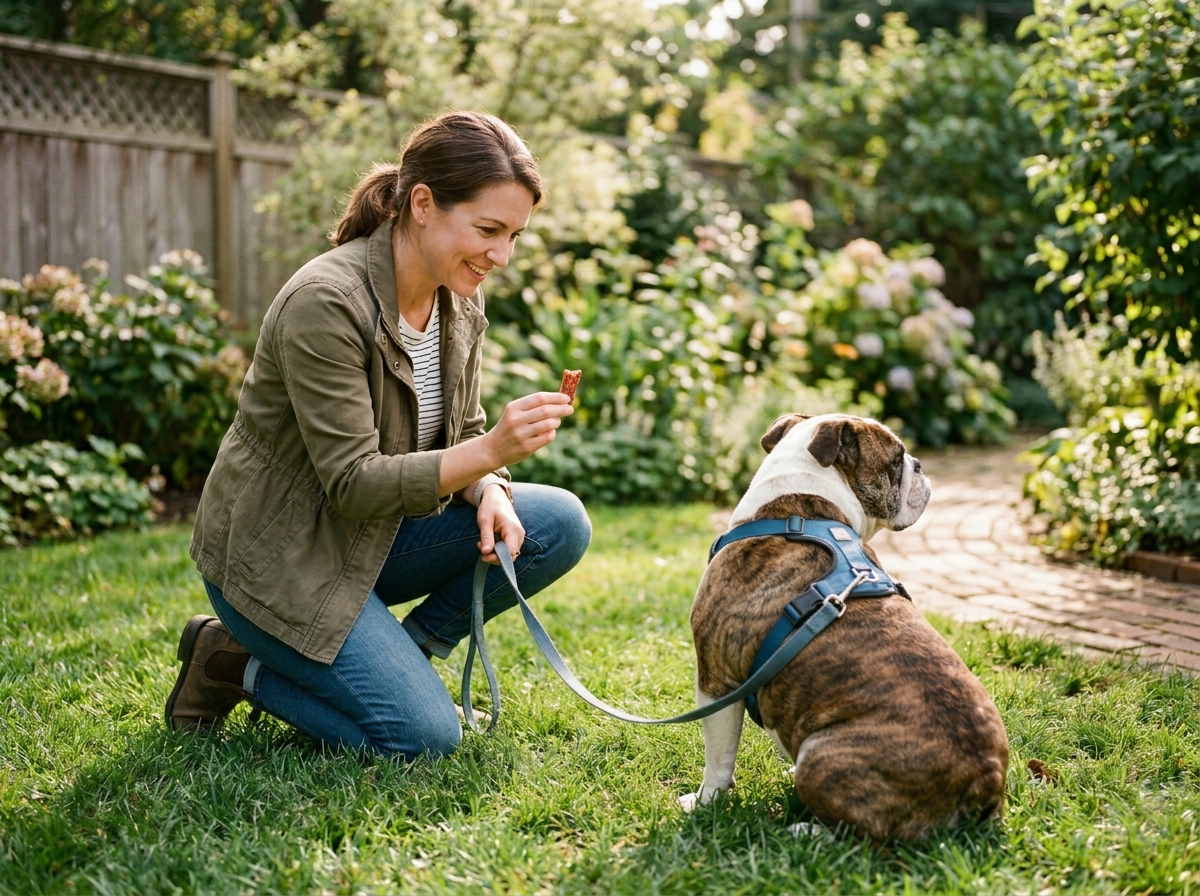
Positive reinforcement is one of the most effective ways to train a stubborn dog. Reward desired behaviors immediately with:
- Small treats
- Praise and affection
- Favorite toys
- Playtime
For example, if your dog sits on command, reward them within a few seconds. This helps them connect the action with the reward.
Avoid punishment-based methods, which can damage trust and make training more difficult.
Keep Training Sessions Short
Stubborn dogs often lose interest quickly. Instead of long training sessions, aim for:
- 5–10 minute sessions
- 2–3 times per day
- Clear and simple commands
Short, focused sessions keep your dog engaged and prevent frustration for both of you.
Be Consistent with Commands and Rules
Dogs learn through repetition. If one family member allows a behavior while another discourages it, the dog receives mixed signals.
To improve consistency:
- Use the same command words every time.
- Reward desired behaviors consistently.
- Establish household rules everyone follows.
Consistency helps your dog understand exactly what is expected.
Make Training Fun and Engaging


Training should be enjoyable. Dogs learn faster when they associate learning with positive experiences.
Try incorporating:
- Training games
- Obstacle courses
- Hide-and-seek with treats
- Interactive toys
A fun environment increases motivation and encourages cooperation.
Exercise Before Training
A dog with excess energy is less likely to focus. Before training:
- Take a walk
- Play fetch
- Allow time for running and exploration
Physical activity helps your dog burn energy and improves concentration during lessons.
Be Patient and Persistent
Progress may be slow at first. Some dogs require more repetitions before they fully understand a command. Celebrate small improvements and avoid becoming frustrated.
Remember:
- Stay calm
- Repeat commands consistently
- Reward successes
- End sessions on a positive note
Patience builds trust and strengthens the bond between you and your dog.
When to Seek Professional Help
If your dog continues to struggle with training or displays aggressive behavior, consider working with a professional dog trainer. An experienced trainer can identify underlying issues and create a customized training plan.
Conclusion
Training a stubborn dog takes time, consistency, and understanding. By using positive reinforcement, keeping sessions short, providing regular exercise, and maintaining patience, you can help your dog become more responsive and well-behaved. Every dog learns at their own pace, and with the right approach, even the most stubborn companion can become a confident and obedient family member.
You can use this article directly on a blog, website, or pet-related publication.