Training is one of the most important aspects of raising a happy, well-behaved dog. Basic commands help improve communication between you and your pet, increase safety, and strengthen the bond you share. Whether you have a new puppy or an older dog, teaching these essential commands can make daily life easier and more enjoyable.
1. Sit


The “Sit” command is often the first command dogs learn. It serves as the foundation for many other training exercises and helps control your dog’s behavior in various situations.
Why It’s Important:
- Encourages calm behavior.
- Helps prevent jumping on people.
- Makes grooming and feeding easier.
How to Teach It:
- Hold a treat close to your dog’s nose.
- Slowly move the treat upward.
- As your dog’s head follows the treat, their bottom will naturally lower.
- Once seated, say “Sit” and reward them immediately.
2. Stay
The “Stay” command teaches your dog patience and self-control. It is especially useful in busy environments where safety is important.
Why It’s Important:
- Prevents your dog from running into dangerous situations.
- Helps during visits to the vet or groomer.
- Encourages discipline and focus.
How to Teach It:
- Ask your dog to sit.
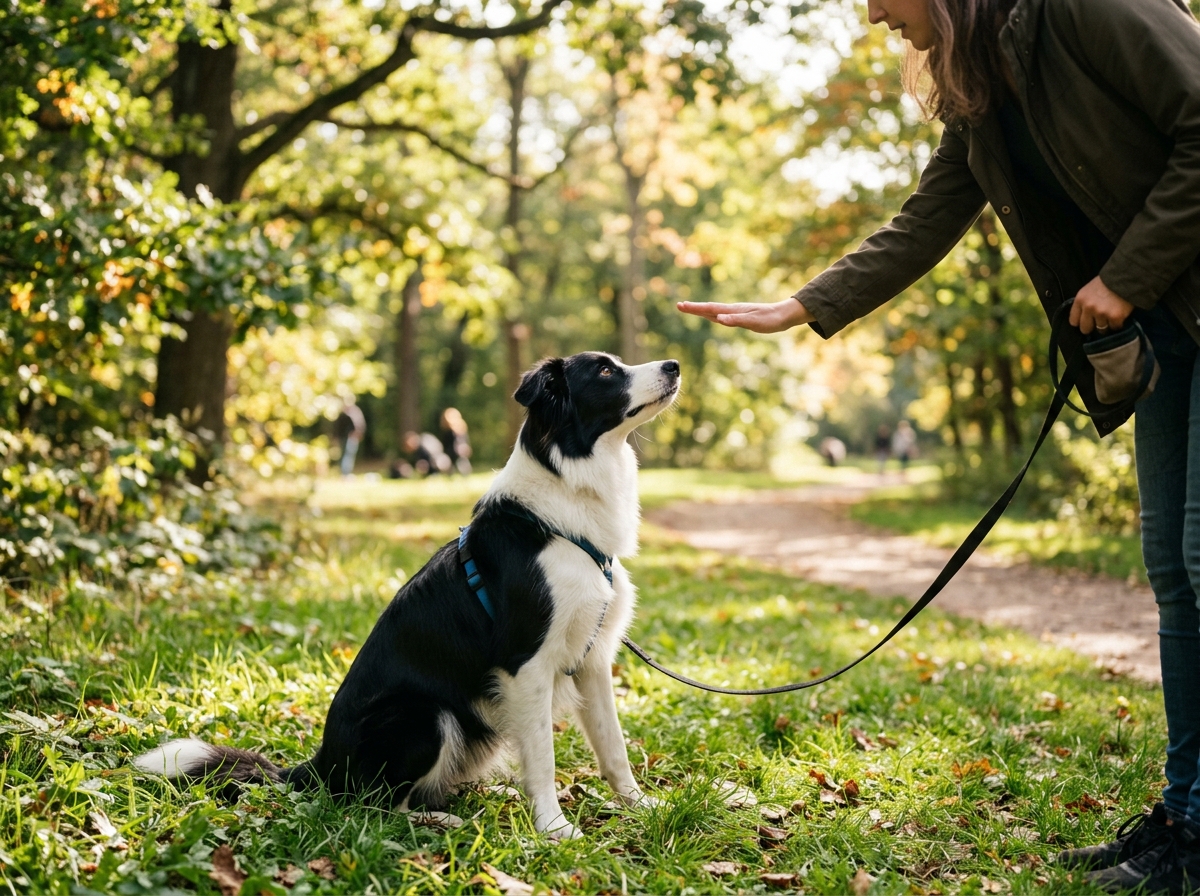
- Hold your hand out and say “Stay.”
- Take a small step back.
- Reward your dog if they remain in position.
- Gradually increase distance and duration.
3. Come
A reliable recall command can be lifesaving. “Come” ensures your dog returns to you when called, even in distracting environments.
Why It’s Important:
- Improves safety during walks and outdoor activities.
- Prevents your dog from wandering off.
- Builds trust between owner and pet.
How to Teach It:
- Start in a quiet area.
- Call your dog’s name followed by “Come.”
- Reward them enthusiastically when they reach you.
- Practice regularly with increasing distractions.
4. Down


The “Down” command encourages your dog to lie down calmly and remain relaxed.
Why It’s Important:
- Helps reduce excitement.
- Encourages calm behavior in public places.
- Useful during social gatherings and mealtimes.
How to Teach It:
- Ask your dog to sit.
- Hold a treat near their nose.
- Slowly move the treat toward the floor.
- Reward them as soon as they lie down.
5. Leave It
Dogs are naturally curious and may pick up unsafe objects. “Leave It” teaches them to ignore something on command.
Why It’s Important:
- Prevents ingestion of harmful items.
- Reduces unwanted chewing.
- Improves overall obedience.
How to Teach It:
- Place a treat in your closed hand.
- Allow your dog to sniff it.
- Say “Leave It.”
- Reward them with a different treat when they stop trying to get the first one.
6. Heel
The “Heel” command teaches your dog to walk calmly beside you without pulling on the leash.
Why It’s Important:
- Makes walks more enjoyable.
- Improves control in crowded areas.
- Reduces leash-pulling behavior.
How to Teach It:
- Keep treats at your side.
- Reward your dog for walking next to you.
- Use the word “Heel” consistently.
- Practice short sessions before extending the duration.
Tips for Successful Dog Training
- Keep training sessions short and positive.
- Use rewards such as treats, praise, or toys.
- Be consistent with commands and expectations.
- Practice daily for the best results.
- Avoid punishment-based training methods.
Conclusion
Teaching your dog basic commands is an investment that pays off for years to come. Commands like Sit, Stay, Come, Down, Leave It, and Heel create a foundation for good behavior, improve safety, and strengthen your relationship with your canine companion. With patience, consistency, and positive reinforcement, any dog can learn these essential skills and become a well-mannered member of the family.
You can publish this article directly on a blog, pet website, or training guide.