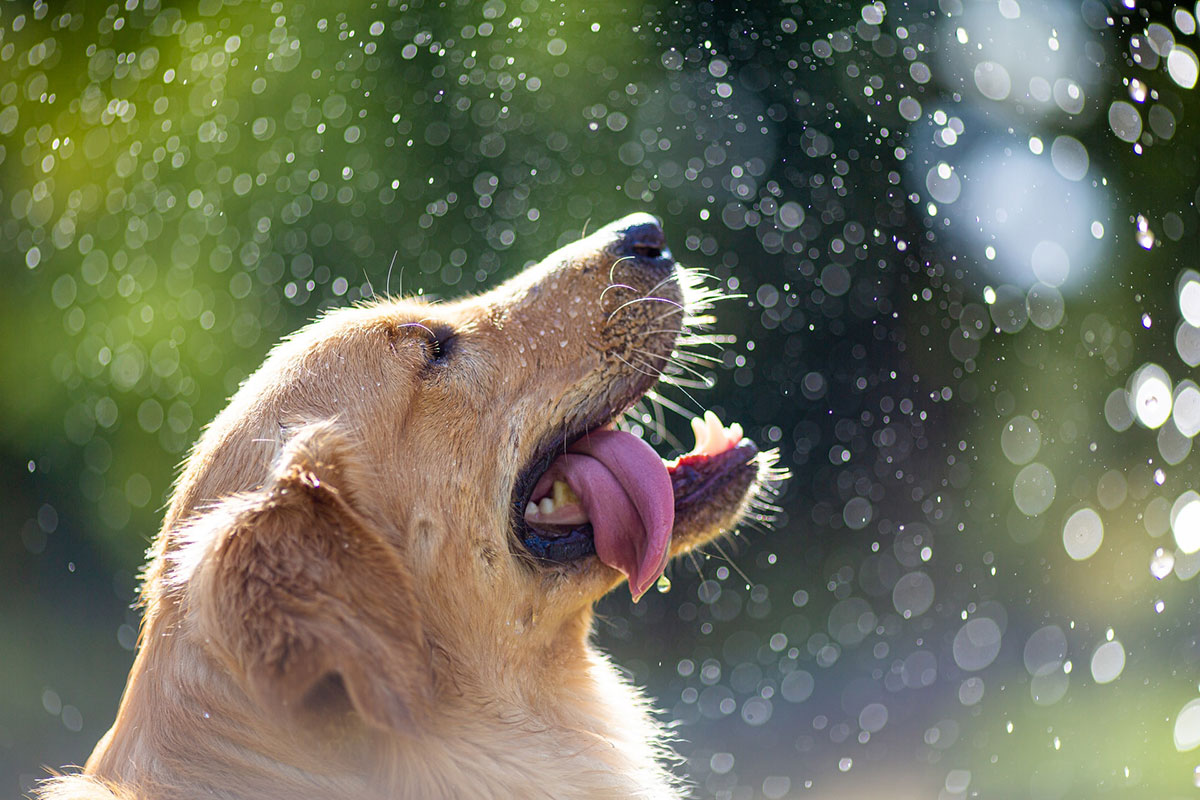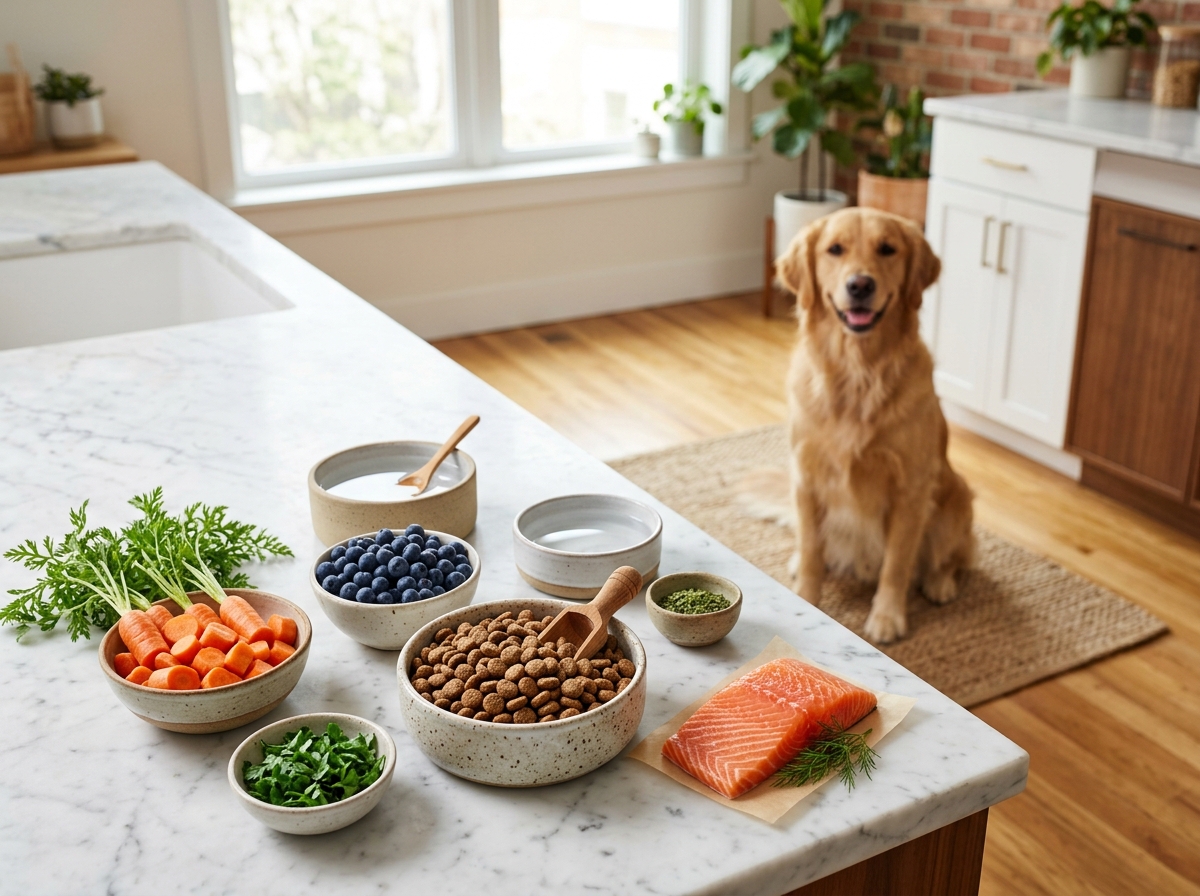
Dogs are more than just pets—they are beloved family members. Just like humans, dogs require a balanced and nutritious diet to maintain optimal health, energy, and longevity. Understanding what your dog needs nutritionally can help prevent health issues and ensure a happy, active life. Welcome to the Dog Nutrition Hub, your go-to resource for everything related to canine nutrition.
Why Proper Nutrition Matters for Dogs
A dog’s diet directly impacts its overall well-being. Proper nutrition supports:
- Strong muscles and bones
- Healthy skin and a shiny coat
- Improved digestion
- A stronger immune system
- Healthy weight management
- Increased energy levels
Feeding your dog the right nutrients at the right stages of life can significantly improve their quality of life and reduce the risk of chronic diseases.
Essential Nutrients Every Dog Needs

Dogs require six major nutrients to stay healthy:
1. Protein
Protein is the foundation of a dog’s diet. It helps build and repair muscles, tissues, and organs. Quality protein sources include:
- Chicken
- Turkey
- Beef
- Fish
- Eggs
- Lamb
2. Fats
Healthy fats provide energy and support brain function, skin health, and coat quality. Look for sources such as:
- Fish oil
- Chicken fat
- Flaxseed oil
3. Carbohydrates
Carbohydrates provide energy and fiber. Healthy sources include:
- Brown rice
- Sweet potatoes
- Oats
- Pumpkin
4. Vitamins
Vitamins support numerous bodily functions, including immunity and metabolism. Essential vitamins include A, D, E, K, and B-complex vitamins.
5. Minerals
Calcium, phosphorus, zinc, and magnesium are critical for bone development, nerve function, and overall health.
6. Water
Fresh, clean water should always be available. Hydration is vital for digestion, circulation, and temperature regulation.
Choosing the Best Dog Food
With countless dog food options available, selecting the right one can feel overwhelming. Consider these factors:
Read the Ingredient List
Look for real meat as the first ingredient. Avoid foods packed with artificial colors, preservatives, and fillers.
Consider Your Dog’s Age
Dogs have different nutritional requirements throughout their lives:
- Puppies need higher protein and calories.
- Adult dogs require balanced maintenance diets.
- Senior dogs often benefit from lower-calorie, joint-supporting formulas.
Account for Special Needs
Some dogs may need specialized diets due to allergies, sensitivities, or medical conditions.
Homemade vs. Commercial Dog Food

Many owners wonder whether homemade or commercial food is better.
Homemade Dog Food
Pros:
- Full control over ingredients
- Avoidance of preservatives
- Customizable for specific needs
Cons:
- Time-consuming
- Can lead to nutrient deficiencies if not properly balanced
Commercial Dog Food
Pros:
- Convenient
- Nutritionally balanced
- Available in various formulations
Cons:
- Quality varies between brands
- Some products contain unnecessary fillers
Consult your veterinarian before switching to a homemade diet to ensure nutritional completeness.
Foods Dogs Should Never Eat
Certain human foods can be toxic to dogs. Avoid feeding:
- Chocolate
- Grapes and raisins
- Onions
- Garlic
- Xylitol (artificial sweetener)
- Alcohol
- Macadamia nuts
- Avocado
If your dog consumes a toxic substance, contact a veterinarian immediately.
Healthy Treats for Dogs
Treats can be part of a healthy diet when given in moderation. Great options include:
- Carrot sticks
- Blueberries
- Apple slices (without seeds)
- Green beans
- Plain cooked chicken
Treats should generally make up no more than 10% of your dog’s daily calorie intake.
Nutrition Tips for Different Life Stages
Puppies
Focus on growth-supporting nutrients, especially protein, calcium, and DHA for brain development.
Adult Dogs
Maintain a balanced diet that supports activity levels and healthy weight.
Senior Dogs
Choose foods rich in antioxidants, joint-supporting nutrients, and easily digestible proteins.
Common Signs of Poor Nutrition
Watch for these warning signs:
- Dull coat
- Excessive shedding
- Weight loss or gain
- Digestive problems
- Low energy levels
- Skin issues
If you notice these symptoms, review your dog’s diet and consult a veterinarian.
Final Thoughts
Proper nutrition is one of the most important investments you can make in your dog’s health. By understanding your dog’s nutritional needs, selecting quality food, and avoiding harmful ingredients, you can help your furry companion live a longer, healthier, and happier life. Use this Dog Nutrition Hub as a trusted resource to make informed decisions and provide the best possible care for your canine friend.