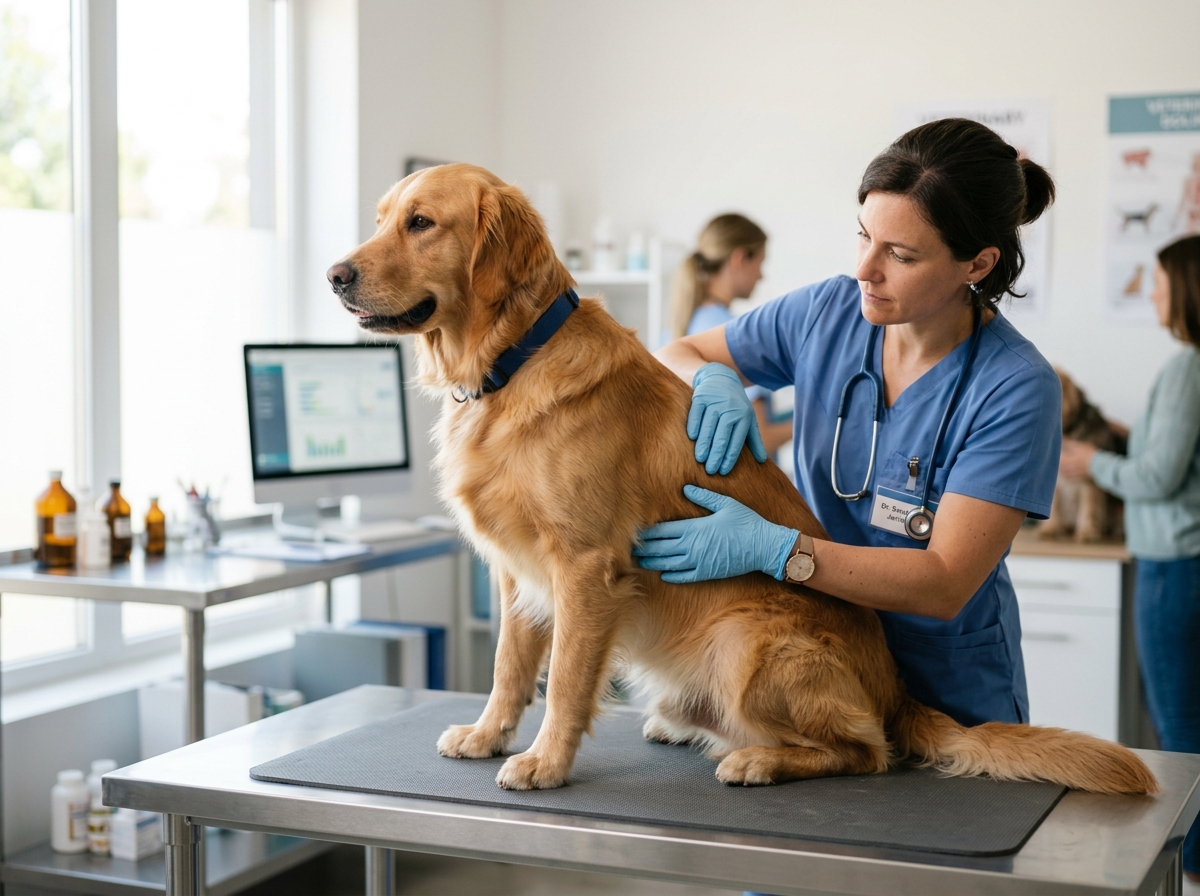
Dogs cannot tell us when they are feeling sick, which is why recognizing health symptoms early is one of the most important responsibilities of a pet owner. From changes in behavior to physical symptoms, your dog’s body often provides clues when something is wrong. Understanding these signs can help you seek veterinary care promptly and improve your pet’s chances of a quick recovery.
In this Dog Health Symptoms Series, we’ll explore common warning signs that may indicate underlying health issues and explain when it’s time to consult your veterinarian.
1. Changes in Appetite and Drinking Habits
A healthy dog typically maintains a consistent appetite and water intake. Sudden changes can signal a variety of health concerns.
Common Symptoms:
- Loss of appetite
- Excessive hunger
- Increased thirst
- Refusal to drink water
Possible Causes:
- Dental disease
- Diabetes
- Kidney disease
- Digestive disorders
- Infections
If your dog refuses food for more than 24 hours or shows excessive thirst for several days, schedule a veterinary appointment.
2. Vomiting and Digestive Problems
Occasional stomach upset may not be serious, but frequent vomiting or diarrhea should never be ignored.
Symptoms to Watch:
- Repeated vomiting
- Persistent diarrhea
- Blood in stool
- Excessive gas
- Abdominal discomfort
Possible Causes:
- Food intolerance
- Parasites
- Viral infections
- Gastrointestinal diseases
- Ingestion of toxic substances
Seek immediate veterinary care if vomiting is accompanied by lethargy, dehydration, or blood.
3. Coughing, Sneezing, and Breathing Difficulties
Respiratory symptoms can range from mild allergies to serious medical conditions.
Warning Signs:
- Persistent coughing
- Wheezing
- Difficulty breathing
- Excessive panting
- Nasal discharge
Potential Health Issues:
- Kennel cough
- Pneumonia
- Heart disease
- Allergies
- Lung disorders
Breathing problems should always be treated as a medical emergency, especially if your dog appears distressed.
4. Skin Problems and Excessive Scratching
The skin is often one of the first places where health issues become visible.
Common Symptoms:
- Constant scratching
- Red or inflamed skin
- Hair loss
- Hot spots
- Dry, flaky skin
Possible Causes:
- Fleas and ticks
- Food allergies
- Environmental allergies
- Skin infections
- Hormonal disorders
Regular grooming and skin inspections can help identify issues before they worsen.
5. Lethargy and Behavioral Changes
Dogs are creatures of habit. Significant behavioral changes can indicate illness or discomfort.
Symptoms:
- Unusual tiredness
- Sleeping more than normal
- Reduced interest in activities
- Hiding or withdrawal
- Increased irritability
Potential Causes:
- Pain
- Fever
- Infection
- Chronic disease
- Emotional stress
Any unexplained lethargy lasting more than a day deserves veterinary attention.
6. Eye and Ear Problems
Healthy eyes and ears are clean and free from unusual discharge.
Eye Symptoms:
- Redness
- Excessive tearing
- Cloudiness
- Squinting
Ear Symptoms:
- Head shaking
- Foul odor
- Excessive wax
- Scratching at ears
Possible Causes:
- Ear infections
- Allergies
- Eye injuries
- Glaucoma
- Foreign objects
Prompt treatment can prevent complications and preserve your dog’s vision and hearing.
7. Urinary and Kidney-Related Symptoms
Changes in urination patterns often point to underlying health concerns.
Warning Signs:
- Frequent urination
- Difficulty urinating
- Blood in urine
- Accidents indoors
- Excessive thirst
Potential Causes:
- Urinary tract infections
- Kidney disease
- Bladder stones
- Diabetes
Seek veterinary care immediately if your dog is straining to urinate or cannot urinate at all.
8. Weight Changes
Unexpected weight gain or loss can be a symptom of numerous medical conditions.
Symptoms:
- Rapid weight loss
- Obesity despite normal feeding
- Visible muscle loss
Possible Causes:
- Thyroid disorders
- Diabetes
- Digestive diseases
- Cancer
- Poor nutrition
Routine weight monitoring can help detect health problems early.
When Should You Call the Vet?
Contact your veterinarian immediately if your dog experiences:
- Difficulty breathing
- Seizures
- Collapse
- Severe vomiting or diarrhea
- Significant bleeding
- Inability to urinate
- Sudden paralysis
- Signs of poisoning
Early diagnosis and treatment often lead to better outcomes and can prevent minor issues from becoming serious medical emergencies.
Final Thoughts
Understanding common dog health symptoms empowers pet owners to act quickly when something seems wrong. While not every symptom indicates a serious condition, paying attention to changes in your dog’s behavior, appetite, skin, breathing, and energy levels can make a significant difference in their overall health and well-being.