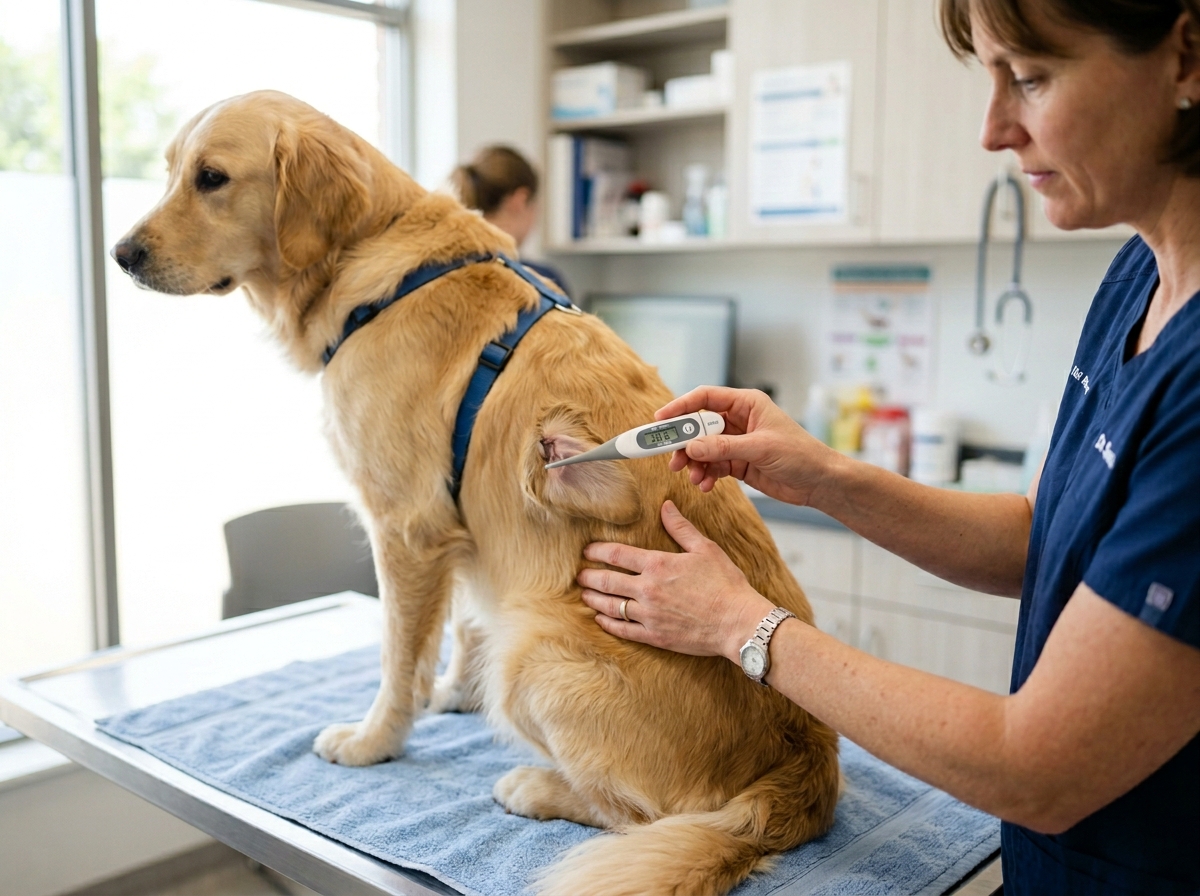
As a responsible pet owner, knowing how to check your dog’s temperature at home can help you identify potential health problems early. A dog’s body temperature is one of the most important indicators of its overall health. If your furry friend seems lethargic, refuses food, or shows signs of illness, checking their temperature can provide valuable information before contacting your veterinarian.
In this guide, we’ll explain the safest and most accurate ways to measure your dog’s temperature at home.
What Is a Normal Temperature for Dogs?
Unlike humans, dogs naturally have a slightly higher body temperature. A healthy dog’s normal temperature typically ranges between 101°F and 102.5°F (38.3°C to 39.2°C).
A temperature below 99°F (37.2°C) or above 103°F (39.4°C) may indicate a health issue that requires veterinary attention.
Signs Your Dog May Have a Fever
Common symptoms of fever in dogs include:
- Warm ears and nose
- Lethargy or weakness
- Loss of appetite
- Shivering
- Red or glassy eyes
- Excessive panting
- Dehydration
If your dog shows any of these symptoms, checking their temperature can help determine whether a fever is present.
Tools You’ll Need
Before taking your dog’s temperature, gather the following items:
- Digital rectal thermometer (recommended)
- Petroleum jelly or water-based lubricant
- Disposable gloves (optional)
- Treats or rewards
- A helper to keep your dog calm, if needed
Using a digital thermometer specifically designated for pets is ideal, although a regular digital thermometer can also work.
How to Check Your Dog’s Temperature Using a Rectal Thermometer
A rectal temperature reading is the most accurate method for dogs.
Step 1: Keep Your Dog Calm
Have your dog stand comfortably or lie on their side. Ask another person to gently hold and reassure your pet if necessary.
Step 2: Lubricate the Thermometer
Apply a small amount of petroleum jelly or lubricant to the tip of the thermometer.
Step 3: Insert the Thermometer
Gently lift your dog’s tail and insert the thermometer about 1 inch into the rectum for small dogs and 1–2 inches for larger breeds.
Step 4: Wait for the Reading
Hold the thermometer in place until it beeps or displays a reading.
Step 5: Record the Temperature
Carefully remove the thermometer, clean it thoroughly, and note the reading.
Step 6: Reward Your Dog
Offer praise and a treat to create a positive experience.
Can You Check a Dog’s Temperature Without a Rectal Thermometer?
Many pet owners wonder if they can determine a dog’s temperature by touching their nose or ears. While warm ears or a dry nose may suggest illness, these signs are not reliable indicators of fever.
Some pet owners use ear thermometers designed for dogs. These can provide useful readings but are generally less accurate than rectal thermometers when used at home.
Using an Ear Thermometer for Dogs
If you prefer a less invasive option, an ear thermometer designed specifically for pets may be suitable.
Steps to Use an Ear Thermometer
- Turn on the device according to the manufacturer’s instructions.
- Gently position the probe inside your dog’s ear canal.
- Hold it steady until the reading appears.
- Compare the result with normal canine temperature ranges.
Keep in mind that improper placement can affect accuracy.
When to Contact a Veterinarian
Seek veterinary care immediately if your dog’s temperature:
- Exceeds 103°F (39.4°C)
- Falls below 99°F (37.2°C)
- Remains abnormal for several hours
- Is accompanied by vomiting, diarrhea, seizures, breathing difficulties, or severe lethargy
A high fever can signal infections, heatstroke, inflammation, or other serious medical conditions.
Tips for Safely Taking Your Dog’s Temperature
- Stay calm and gentle throughout the process.
- Never force your dog if they become highly stressed.
- Use a thermometer reserved only for pet use.
- Clean and disinfect the thermometer after each use.
- Keep treats nearby to reward cooperation.
Frequently Asked Questions
Can I tell if my dog has a fever by touching their nose?
No. A warm or dry nose is not a reliable way to determine a fever. A thermometer provides the most accurate measurement.
What temperature is considered dangerous for dogs?
Temperatures above 103°F or below 99°F should be evaluated by a veterinarian.
Are ear thermometers accurate for dogs?
Pet-specific ear thermometers can be useful but may not be as accurate as rectal thermometers.
How often should I check my dog’s temperature?
Only check your dog’s temperature when they appear ill or when instructed by your veterinarian.
Final Thoughts
Learning how to check your dog’s temperature at home is a valuable skill for every pet owner. Regular monitoring can help you recognize potential health problems early and provide important information to your veterinarian. While a rectal thermometer remains the most accurate option, ear thermometers can offer a convenient alternative when used correctly. If your dog’s temperature falls outside the normal range or they show concerning symptoms, seek veterinary advice promptly.