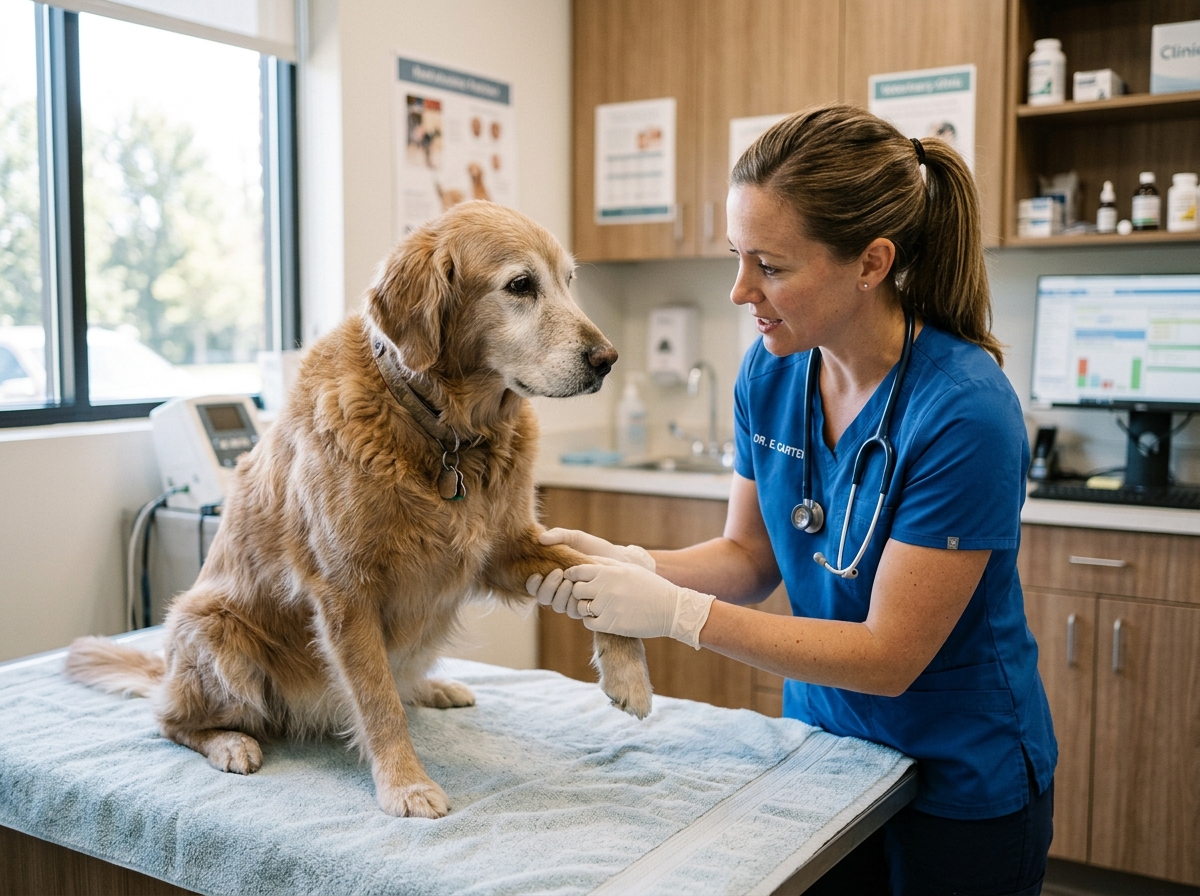
Arthritis is one of the most common health conditions affecting dogs, especially as they age. It causes inflammation and pain in the joints, making everyday activities more difficult and uncomfortable. While arthritis cannot be completely cured, early detection and proper management can significantly improve your dog’s quality of life.
In this article, we’ll discuss the most common signs of arthritis in dogs, its causes, and what pet owners can do to help their furry companions live more comfortably.
What Is Arthritis in Dogs?
Arthritis, also known as osteoarthritis or degenerative joint disease, occurs when the cartilage that cushions the joints gradually wears away. As the protective cartilage deteriorates, the bones begin to rub against each other, leading to pain, stiffness, and reduced mobility.
Although arthritis is more common in senior dogs, younger dogs can also develop the condition due to injuries, genetics, obesity, or joint abnormalities.
1. Difficulty Standing Up or Lying Down

One of the earliest signs of arthritis is difficulty getting up after resting. Dogs with joint pain may hesitate before standing, move slowly, or appear stiff when they first get up.
If your dog takes longer than usual to rise from their bed or seems uncomfortable while lying down, arthritis could be the cause.
2. Limping or Favoring a Leg
Arthritic dogs often limp or put less weight on an affected limb. The limping may be more noticeable after exercise or first thing in the morning.
Some dogs may alternate between legs depending on which joints are causing the most discomfort.
3. Reduced Activity Levels
Dogs suffering from arthritis often become less active because movement causes pain. You may notice that your pet:
- Avoids long walks
- Sleeps more than usual
- Shows less interest in playing
- Tires quickly during exercise
A sudden decrease in activity should never be ignored, especially in older dogs.
4. Stiffness After Rest
Joint stiffness is a hallmark symptom of arthritis. Many dogs appear particularly stiff after sleeping or sitting for extended periods.
The stiffness may improve slightly once they start moving, but recurring stiffness is often a warning sign that joint health is declining.
5. Difficulty Climbing Stairs or Jumping

Healthy dogs usually have no trouble climbing stairs or jumping onto furniture. However, dogs with arthritis often hesitate, move cautiously, or avoid these activities altogether.
You may notice your dog:
- Refusing to use stairs
- Struggling to jump into the car
- Avoiding couches or beds they previously enjoyed
These changes often indicate joint discomfort.
6. Changes in Behavior
Pain can affect a dog’s mood and behavior. Some arthritic dogs become:
- Irritable
- Less social
- More withdrawn
- Sensitive to touch
If your normally friendly dog starts avoiding interaction or becomes grumpy when certain areas are touched, arthritis-related pain may be responsible.
7. Muscle Loss
When dogs avoid movement because of joint pain, they use their muscles less frequently. Over time, this can lead to muscle loss, particularly in the hind legs.
Reduced muscle mass can make mobility problems even worse and increase the risk of falls.
8. Licking or Chewing Joints
Dogs often lick, chew, or bite painful areas in an attempt to relieve discomfort. Frequent licking around the knees, hips, elbows, or wrists may indicate underlying joint pain.
Watch for redness or irritation caused by excessive licking.
9. Changes in Posture or Gait
Arthritic dogs may alter the way they walk to reduce pressure on painful joints. Common gait changes include:
- Shorter steps
- Waddling
- Shifting weight to one side
- Walking more slowly
These subtle changes are often easier to spot when compared to your dog’s normal movement patterns.
What Causes Arthritis in Dogs?
Several factors can contribute to arthritis, including:
- Aging
- Obesity
- Joint injuries
- Hip dysplasia
- Elbow dysplasia
- Genetic predisposition
- Repetitive stress on joints
Maintaining a healthy weight and regular veterinary checkups can help reduce the risk of arthritis progression.
How Is Arthritis Diagnosed?
A veterinarian will typically diagnose arthritis through:
- Physical examination
- Joint mobility assessment
- Medical history review
- X-rays or imaging tests
Early diagnosis allows treatment to begin before severe joint damage occurs.
Treatment Options for Arthritis in Dogs
While arthritis cannot be reversed, several treatments can help manage symptoms:
Weight Management
Keeping your dog at a healthy weight reduces stress on the joints.
Regular Low-Impact Exercise
Gentle walks and swimming can improve mobility without overloading painful joints.
Joint Supplements
Supplements containing glucosamine, chondroitin, and omega-3 fatty acids may support joint health.
Pain Medication
Veterinarians may prescribe anti-inflammatory medications to reduce pain and inflammation.
Physical Therapy
Hydrotherapy, massage, and rehabilitation exercises can improve strength and flexibility.
When Should You See a Veterinarian?
You should schedule a veterinary appointment if your dog shows any of the following symptoms:
- Persistent limping
- Difficulty standing or walking
- Reduced activity levels
- Visible pain during movement
- Behavioral changes associated with discomfort
Early intervention can help slow disease progression and improve your dog’s overall comfort.
Final Thoughts
Arthritis is a common but manageable condition in dogs. Recognizing the early signs—such as stiffness, limping, reduced activity, and difficulty climbing stairs—can help you seek treatment before the condition becomes severe. With proper veterinary care, weight management, exercise, and pain control, many dogs with arthritis continue to enjoy happy and active lives for years.
By staying attentive to changes in your dog’s mobility and behavior, you can provide the support they need to remain comfortable and healthy throughout their golden years.