Bringing a puppy home is an exciting experience, but young dogs are vulnerable to several diseases during their first year of life. Understanding the most common puppy diseases can help pet owners recognize symptoms early and seek veterinary care before serious complications develop.
In this guide, we’ll discuss the most common puppy illnesses, their symptoms, causes, treatment options, and prevention methods.
Why Puppies Are More Vulnerable to Diseases
Puppies have developing immune systems that are not yet strong enough to fight off many infections. They can easily become sick through contact with infected animals, contaminated environments, parasites, or inadequate vaccination.
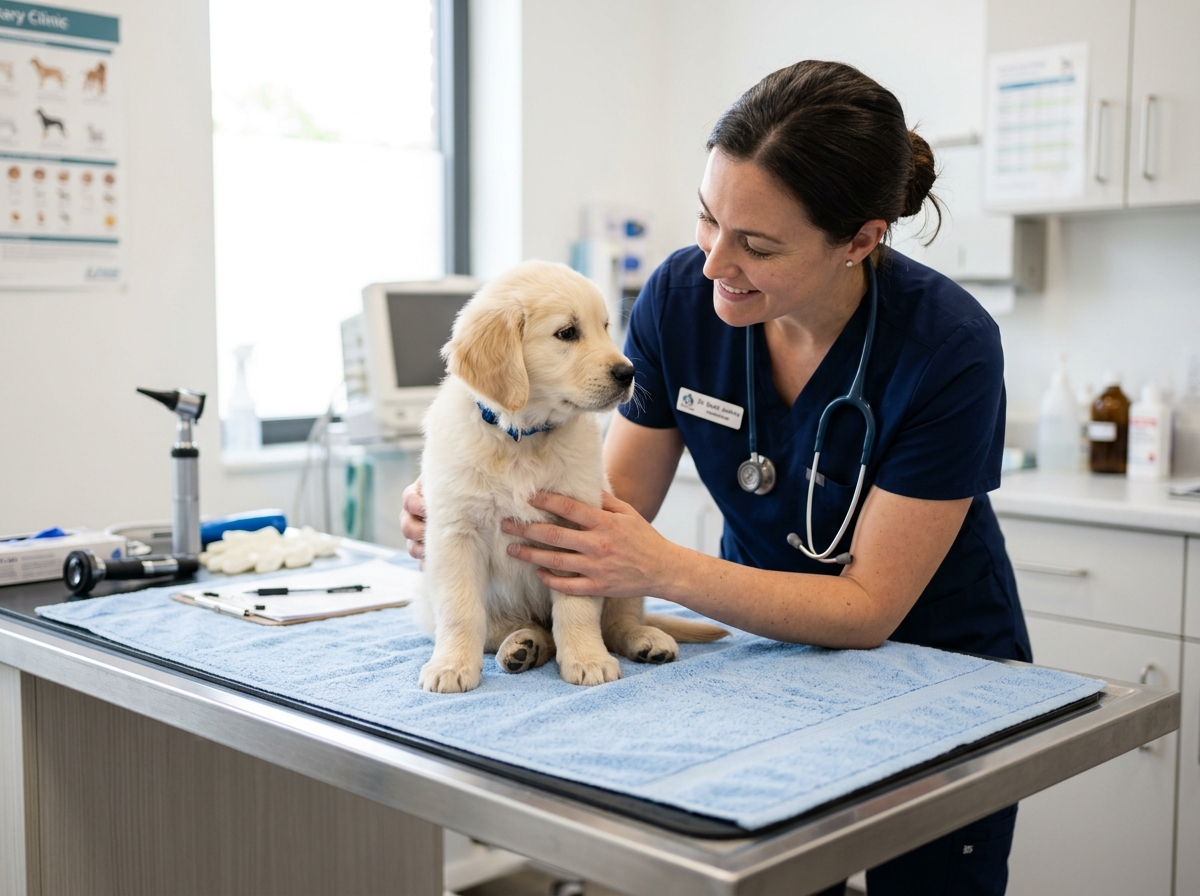
Regular veterinary visits, proper nutrition, and vaccinations are essential for keeping puppies healthy.
1. Canine Parvovirus (Parvo)

Canine Parvovirus, commonly known as Parvo, is one of the most dangerous and contagious diseases affecting puppies.
Symptoms
- Severe diarrhea (often bloody)
- Vomiting
- Loss of appetite
- Lethargy
- Fever
- Dehydration
Causes
Parvo spreads through contact with infected feces, contaminated surfaces, food bowls, or even human clothing and shoes.
Treatment
There is no direct cure for Parvo. Treatment focuses on:
- Intravenous fluids
- Medications to control vomiting
- Antibiotics to prevent secondary infections
- Nutritional support
Prevention
Vaccination is the most effective way to protect puppies from Parvovirus.
2. Canine Distemper
Canine Distemper is a highly contagious viral disease that affects a puppy’s respiratory, digestive, and nervous systems.
Symptoms
- Fever
- Nasal discharge
- Coughing
- Eye discharge
- Vomiting
- Diarrhea
- Seizures
Causes
The virus spreads through airborne exposure and direct contact with infected animals.
Treatment
There is no cure for Distemper. Veterinarians provide supportive care to improve recovery chances.
Prevention
Routine vaccinations are the best defense against Canine Distemper.
3. Kennel Cough
Kennel Cough is a respiratory infection commonly found in places where dogs gather, such as shelters, boarding facilities, and dog parks.
Symptoms
- Persistent dry cough
- Sneezing
- Runny nose
- Mild fever
- Reduced energy
Causes
The infection spreads through airborne droplets and close contact with infected dogs.
Treatment
Most cases resolve within a few weeks with rest and supportive care. Severe cases may require antibiotics.
Prevention
Vaccination and avoiding contact with sick dogs can significantly reduce risk.
4. Intestinal Worms

Parasites are extremely common in puppies and can negatively impact growth and development.
Common Types of Worms
- Roundworms
- Hookworms
- Whipworms
- Tapeworms
Symptoms
- Pot-bellied appearance
- Weight loss
- Diarrhea
- Vomiting
- Poor coat condition
- Visible worms in stool
Causes
Puppies can acquire worms from their mother, contaminated soil, infected animals, or fleas.
Treatment
Veterinarians prescribe deworming medications based on the type of parasite detected.
Prevention
- Routine deworming
- Clean living environments
- Regular fecal examinations
- Flea control
5. Puppy Mange
Mange is a skin disease caused by microscopic mites.
Symptoms
- Hair loss
- Red, irritated skin
- Excessive scratching
- Scabs and crusty patches
Causes
Demodectic and Sarcoptic mites are the most common culprits.
Treatment
Treatment may include:
- Medicated shampoos
- Prescription medications
- Topical treatments
Prevention
Maintaining overall health and regular veterinary checkups help reduce the risk of severe mange.
6. Coccidia Infection
Coccidia are microscopic parasites that infect a puppy’s intestinal tract.
Symptoms
- Watery diarrhea
- Weight loss
- Dehydration
- Weakness
Causes
Puppies become infected by ingesting contaminated soil, food, or water.
Treatment
Veterinarians typically prescribe antiparasitic medications.
Prevention
Good hygiene and prompt removal of feces can help prevent infections.
7. Giardia
Giardia is another intestinal parasite commonly found in puppies.
Symptoms
- Soft stool
- Chronic diarrhea
- Weight loss
- Poor growth
Causes
Giardia spreads through contaminated water sources and infected feces.
Treatment
Prescription medications and hydration therapy are often effective.
Prevention
Provide clean drinking water and maintain a sanitary environment.
8. Hypoglycemia (Low Blood Sugar)
Small-breed puppies are particularly susceptible to hypoglycemia.
Symptoms
- Weakness
- Trembling
- Confusion
- Seizures
- Collapse
Causes
Missed meals, illness, stress, or inadequate nutrition can trigger low blood sugar.
Treatment
Immediate veterinary attention is required. Mild cases may improve with glucose supplementation.
Prevention
Feed puppies frequent, balanced meals throughout the day.
General Tips to Keep Your Puppy Healthy
To reduce the risk of disease:
- Follow your veterinarian’s vaccination schedule.
- Provide a high-quality puppy diet.
- Keep living areas clean.
- Schedule regular wellness exams.
- Practice parasite prevention.
- Avoid contact with sick animals.
- Ensure access to fresh, clean water.
Final Thoughts
Puppies are naturally curious and energetic, but their developing immune systems make them vulnerable to various diseases. Recognizing early warning signs and maintaining a preventative healthcare routine can greatly improve your puppy’s chances of growing into a healthy adult dog.
Regular vaccinations, parasite control, proper nutrition, and veterinary checkups remain the most effective ways to protect your puppy from common diseases and infections.