
Introduction: Dog poisoning can happen in seconds, but quick action can save your dog’s life. Household foods, medications, plants, chemicals, and even outdoor toxins can all be dangerous for dogs. Recognizing the early signs and knowing what to do immediately is critical while you contact a veterinarian or emergency clinic.
Common Causes of Dog Poisoning
Dogs are naturally curious and may eat or lick harmful substances. Some of the most common poisons include:
- Foods: chocolate, grapes, raisins, onions, garlic, xylitol (found in sugar-free gum and candy), alcohol.
- Medications: pain relievers, antidepressants, ADHD medications, and other human medicines.
- Household products: cleaners, detergents, antifreeze, rodenticides, and pesticides.
- Plants: lilies, azaleas, oleander, and sago palm.
- Outdoor toxins: mushrooms, fertilizers, and toxic algae in ponds or lakes.
Dog Poisoning Symptoms
Poisoning symptoms can appear within minutes or may take hours depending on the toxin. Watch for any sudden changes in behavior or health.
Gastrointestinal Symptoms
- Vomiting
- Diarrhea
- Excessive drooling or foaming at the mouth
- Loss of appetite
- Abdominal pain or bloating
Neurological Symptoms
- Tremors or shaking
- Seizures
- Weakness or collapse
- Disorientation or confusion
- Unsteady walking
Respiratory & Cardiovascular Symptoms
- Rapid breathing
- Difficulty breathing
- Abnormal heart rate
- Pale or blue gums
Other Warning Signs
- Excessive thirst or urination
- Lethargy or extreme agitation
- Bleeding from the nose, mouth, or stool
- Burns or irritation around the mouth
Important: Even mild symptoms can quickly become life-threatening. If you suspect poisoning, treat it as an emergency.
Emergency Steps to Take Immediately
1. Stay Calm and Remove the Toxin
Move your dog away from the substance and prevent further exposure. If the toxin is on the fur or paws, rinse it off with lukewarm water while wearing gloves if possible.
2. Identify What Was Ingested
Gather:
- The product name or packaging
- Active ingredients
- How much may have been eaten
- When the exposure happened
This information helps the veterinarian determine the best treatment.
3. Call a Veterinarian or Pet Poison Hotline
Contact your regular vet, an emergency animal hospital, or a pet poison hotline immediately. Follow their instructions closely.
U.S. resources
- ASPCA Animal Poison Control: (888) 426-4435
- Pet Poison Helpline: (855) 764-7661
4. Do Not Induce Vomiting Unless Directed
Inducing vomiting can make some poisonings worse, especially with:
- Caustic substances (cleaners, bleach)
- Petroleum products
- Sharp objects
- Seizures or breathing difficulties
Only do this if a veterinarian specifically tells you to.
5. Transport Your Dog Safely
Keep your dog calm and warm during transport. If possible, bring the toxin container and any vomit or stool samples to the clinic.
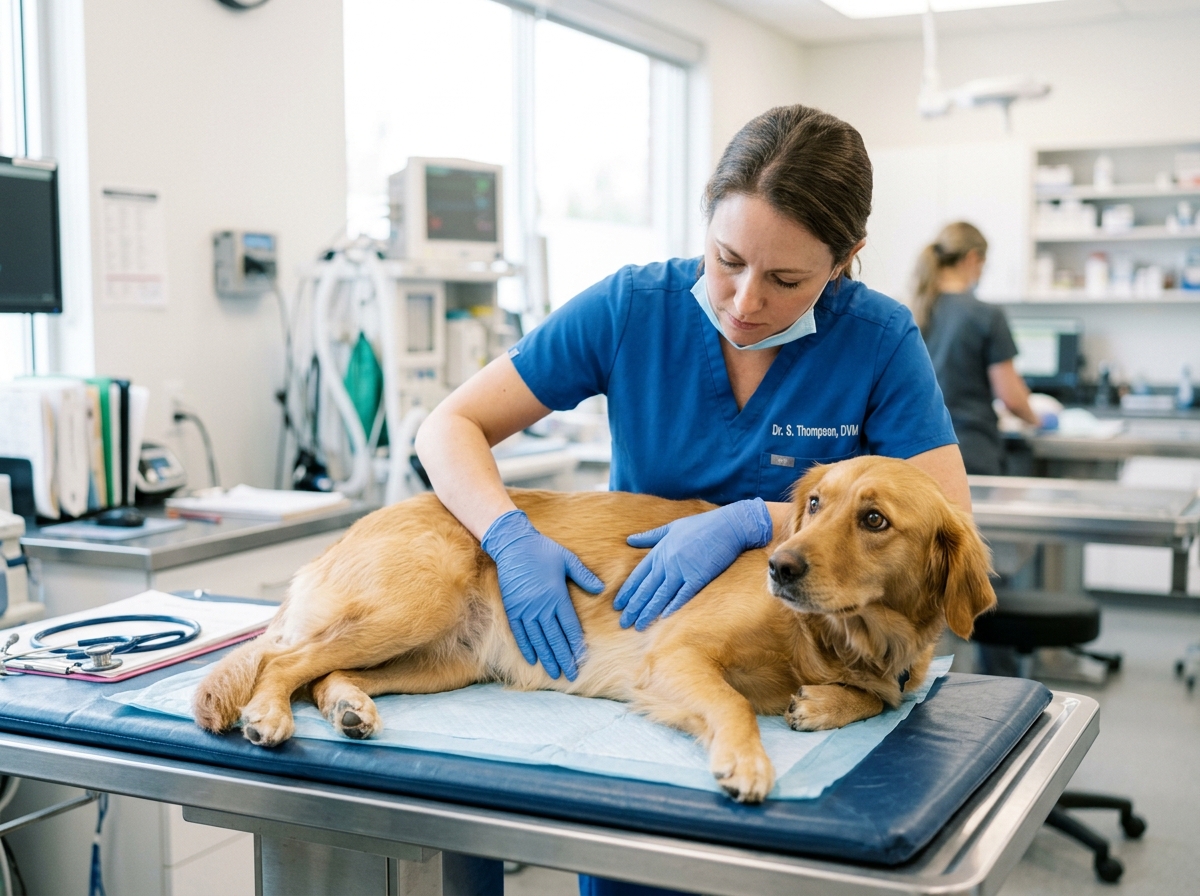
What Veterinarians May Do
Treatment depends on the poison and how long ago it was ingested. A veterinarian may:
- Induce vomiting
- Administer activated charcoal
- Provide IV fluids
- Control seizures or tremors
- Monitor heart rhythm and breathing
- Give specific antidotes when available
Prompt treatment greatly improves the chances of recovery.
How to Prevent Dog Poisoning
- Store toxins securely: keep medications, cleaners, and chemicals locked away.
- Watch food hazards: never leave chocolate, grapes, or xylitol products within reach.
- Choose pet-safe plants: avoid toxic houseplants and garden plants.
- Supervise outdoor time: prevent access to mushrooms, fertilizers, and standing water with algae.
- Use pet-safe products: select cleaners and pest control products labeled safe for pets.
Final Thoughts
Dog poisoning is a true emergency, but fast action can make all the difference. Learn the common symptoms, act quickly, and contact a veterinarian immediately if you suspect your dog has been exposed to a toxin. Keeping your home and yard pet-safe is the best defense against accidental poisoning.