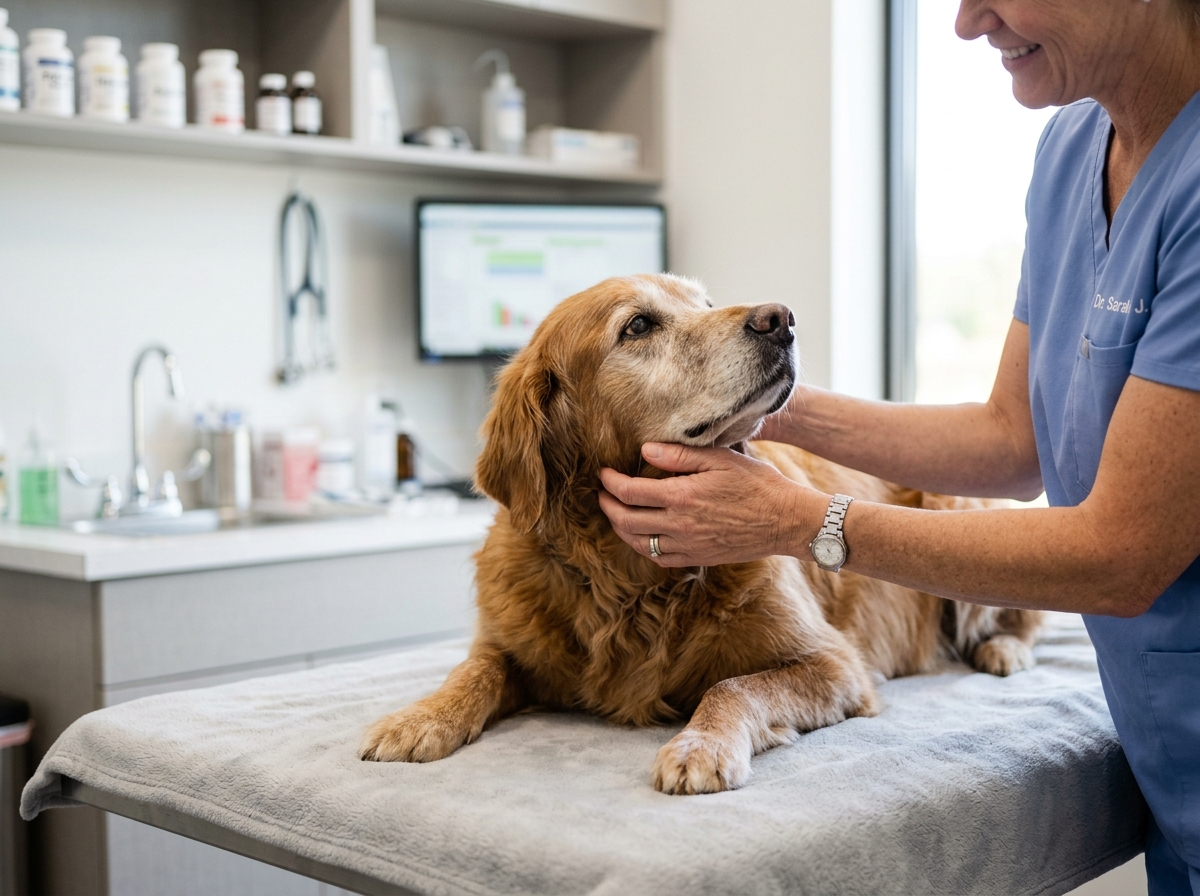
As dogs grow older, they may experience changes in behavior, memory, and cognitive function. Just like humans, senior dogs can develop a condition known as canine cognitive dysfunction (CCD), commonly referred to as dog dementia. Recognizing dog dementia symptoms early can help pet owners provide better care and improve their dog’s quality of life.
What Is Dog Dementia?
Dog dementia is a progressive brain disorder that affects older dogs. It causes a decline in cognitive abilities, including memory, learning, awareness, and responsiveness. The condition typically develops gradually, making it difficult for owners to notice the early warning signs.
Many veterinarians compare canine cognitive dysfunction to Alzheimer’s disease in humans because both conditions involve age-related changes in the brain.
Common Dog Dementia Symptoms
One of the biggest challenges with dog dementia is that symptoms often appear slowly over time. Here are some of the most common signs:
1. Disorientation and Confusion
Dogs with dementia may become confused in familiar environments. They might:
- Get stuck behind furniture
- Stare at walls or corners
- Forget where food and water bowls are located
- Wander aimlessly around the house


2. Changes in Sleep Patterns
Many dogs with cognitive dysfunction experience disrupted sleep cycles. They may:
- Sleep more during the day
- Stay awake at night
- Pace or wander after dark
- Whine or bark during nighttime hours
3. Reduced Interaction with Family
A dog that once loved attention may suddenly seem withdrawn. Symptoms include:
- Less interest in playing
- Avoiding family members
- Reduced excitement when owners return home
- Lack of response to commands or familiar voices
4. House Training Accidents
Previously house-trained dogs may begin having accidents indoors. This can happen because they:
- Forget their training
- Fail to signal when they need to go outside
- Become confused about where to eliminate
5. Increased Anxiety
Dogs suffering from dementia often become more anxious or fearful. Common behaviors include:
- Excessive barking
- Clinginess
- Restlessness
- Fear of being left alone
Behavioral Changes Associated with Dog Dementia
Behavioral changes are often the first signs owners notice.
Repetitive Behaviors
Dogs may repeatedly:
- Walk in circles
- Pace back and forth
- Lick objects excessively
- Perform the same action repeatedly without purpose
Loss of Learned Behaviors
Your dog may forget commands they have known for years, such as:
- Sit
- Stay
- Come
- Shake


What Causes Dog Dementia?
The exact cause of canine cognitive dysfunction is not fully understood. However, researchers believe several factors contribute to the condition, including:
- Age-related brain degeneration
- Reduced blood flow to the brain
- Accumulation of abnormal proteins
- Oxidative stress and inflammation
Most cases occur in dogs over the age of 10, although symptoms can appear earlier in some breeds.
How Veterinarians Diagnose Dog Dementia
There is no single test for dog dementia. Veterinarians typically diagnose the condition by:
- Reviewing medical history
- Evaluating behavioral changes
- Performing physical examinations
- Running blood and urine tests
- Ruling out other health problems
Conditions such as arthritis, hearing loss, vision impairment, and thyroid disease can sometimes mimic dementia symptoms.
How to Help a Dog with Dementia
Although there is no cure, several strategies can help manage symptoms and improve your dog’s comfort.
Maintain a Consistent Routine
Dogs with dementia benefit from predictable schedules. Try to:
- Feed meals at the same time daily
- Maintain regular walks
- Keep sleeping arrangements unchanged
Provide Mental Stimulation
Mental exercises can help slow cognitive decline.
Examples include:
- Puzzle toys
- Treat-dispensing games
- Gentle training sessions
- Interactive play
Create a Safe Environment
Consider making your home easier to navigate by:
- Keeping furniture in place
- Using night lights
- Blocking dangerous areas
- Providing easy access to food and water
Consult Your Veterinarian
Your veterinarian may recommend:
- Prescription medications
- Cognitive support supplements
- Specialized senior dog diets
- Behavioral management strategies
When to See a Veterinarian
If your senior dog begins showing signs of confusion, behavioral changes, sleep disturbances, or house-training issues, schedule a veterinary appointment. Early intervention may help slow progression and improve your dog’s quality of life.
Final Thoughts
Dog dementia can be heartbreaking for pet owners, but understanding the symptoms can help you provide the support your aging companion needs. Early recognition, routine veterinary care, mental stimulation, and a stable environment can make a significant difference in managing canine cognitive dysfunction and ensuring your dog remains comfortable and happy during their senior years.