Dogs are known for their playful nature, loyalty, and enthusiasm. However, just like humans, dogs can experience depression. While canine depression is not identical to human depression, it can significantly affect a dog’s mood, behavior, and overall quality of life. Recognizing dog depression symptoms early can help pet owners provide the support and care their furry companions need.
What Is Dog Depression?
Dog depression is a condition characterized by persistent sadness, lack of interest in activities, and noticeable changes in behavior. It can develop due to major life changes, loss, illness, stress, or emotional trauma. Although dogs cannot verbally express their feelings, they often communicate their emotional state through their actions.
Common Dog Depression Symptoms
1. Loss of Interest in Favorite Activities
One of the earliest signs of depression in dogs is a sudden lack of enthusiasm for activities they once enjoyed. A dog that previously loved playing fetch, going for walks, or interacting with family members may become withdrawn and uninterested.
Image Placement Suggestion:
2. Changes in Appetite
Depressed dogs often experience changes in eating habits. Some may lose interest in food and eat significantly less, while others may eat more than usual as a coping mechanism.
Signs include:
- Skipping meals
- Eating less than normal
- Unexpected weight loss
- Reduced excitement at feeding time
3. Excessive Sleeping
While dogs naturally sleep a lot, depression can cause them to sleep excessively. A depressed dog may spend most of the day resting and show little interest in getting up for normal activities.
4. Low Energy Levels
Dogs suffering from depression often appear lethargic. They may move slowly, seem tired throughout the day, and lack their usual excitement when greeting family members.
5. Social Withdrawal
A normally social dog may begin avoiding people and other pets. They might isolate themselves in quiet corners of the house or refuse interaction altogether.
Physical Signs of Depression in Dogs
Depression can also affect a dog’s physical appearance and habits.
1. Changes in Grooming Habits
Some depressed dogs stop grooming themselves properly. Their coat may become dull, messy, or unkempt.
2. Excessive Licking or Chewing
Dogs experiencing emotional distress sometimes develop repetitive behaviors such as excessive licking, chewing, or paw biting.
3. Changes in Body Language
Watch for signs such as:
- Drooping ears
- Tucked tail
- Avoiding eye contact
- Slouched posture
Image Placement Suggestion:
Causes of Dog Depression
Several factors can contribute to depression in dogs.
Loss of a Companion
Dogs can grieve the loss of a human family member or another pet. Mourning can trigger behavioral changes similar to depression.
Changes in Environment
Moving to a new home, changes in routine, or the arrival of a new family member can create stress and emotional discomfort.
Lack of Mental Stimulation
Boredom and insufficient exercise can negatively impact a dog’s emotional well-being.
Illness or Pain
Medical conditions often mimic depression symptoms. Chronic pain, infections, and age-related diseases can make dogs appear sad or withdrawn.
Separation Anxiety
Dogs that spend long periods alone may develop anxiety and depression due to loneliness.
How to Help a Depressed Dog
Increase Physical Activity
Regular exercise stimulates the release of feel-good hormones and helps improve your dog’s mood. Daily walks, games, and outdoor adventures can make a significant difference.
Spend More Quality Time Together
Provide extra attention, affection, and positive interaction. Even simple activities like cuddling or gentle play sessions can help.
Maintain a Consistent Routine
Dogs thrive on predictability. Feeding, walking, and sleeping schedules should remain as consistent as possible.
Introduce New Mental Challenges
Puzzle toys, obedience training, scent games, and interactive activities can keep your dog mentally engaged.
Consult a Veterinarian
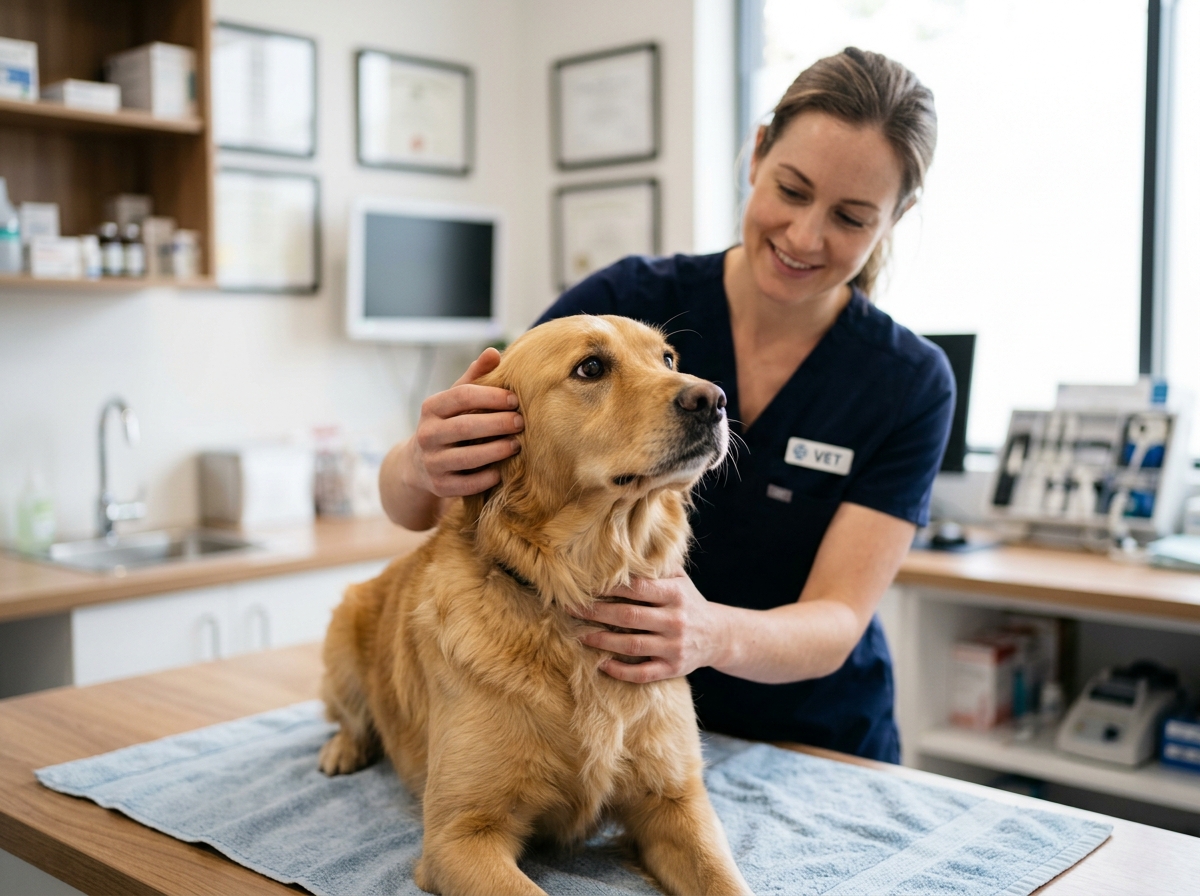
If symptoms persist for more than a few weeks, schedule a veterinary examination. Medical conditions may be contributing to your dog’s behavior, and professional guidance can help determine the best treatment plan.
When Should You Be Concerned?
Seek veterinary attention if your dog experiences:
- Significant weight loss
- Complete loss of appetite
- Persistent lethargy
- Behavioral changes lasting several weeks
- Signs of illness or pain
Early intervention can prevent emotional and physical health issues from worsening.
Final Thoughts
Dog depression symptoms can be subtle at first, but recognizing them early allows pet owners to provide timely support. Changes in appetite, sleep patterns, energy levels, and social behavior may indicate emotional distress. By offering companionship, exercise, mental stimulation, and veterinary care when necessary, you can help your dog regain happiness and enjoy a healthier, more fulfilling life.