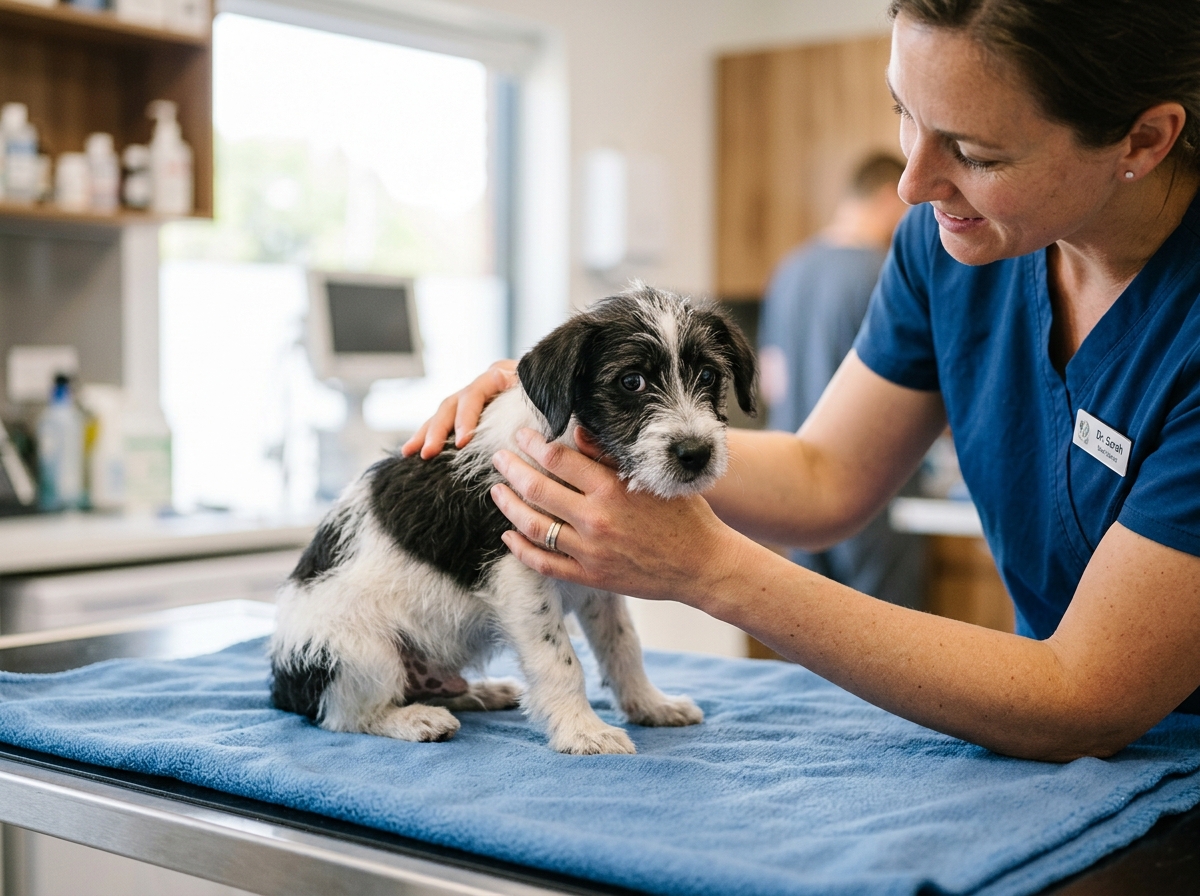
Bringing a new puppy home is an exciting experience. However, many pet owners quickly discover that their furry companion becomes distressed whenever they leave the house. This condition, known as puppy separation anxiety, is common among young dogs and can lead to excessive barking, destructive behavior, and emotional stress. Understanding the causes and learning how to manage this issue can help your puppy develop confidence and independence.
What Is Puppy Separation Anxiety?
Puppy separation anxiety occurs when a puppy experiences intense fear or stress when left alone or separated from its owner. Unlike occasional whining or sadness, separation anxiety causes significant emotional distress that affects a puppy’s behavior and well-being.
Young puppies naturally form strong bonds with their owners, making them more vulnerable to anxiety during periods of separation. If not addressed early, the problem may continue into adulthood.
Image Suggestion
Common Causes of Separation Anxiety in Puppies
Several factors can contribute to separation anxiety:
1. Sudden Changes in Routine
Puppies thrive on consistency. Changes in feeding schedules, work routines, or sleeping arrangements can trigger anxiety.
2. Lack of Independence Training
If a puppy is constantly around people and never learns to spend time alone, separation becomes difficult.
3. New Environment
Moving to a new home can be overwhelming. Puppies need time to adjust to unfamiliar surroundings.
4. Traumatic Experiences
Some rescue puppies may have experienced abandonment or neglect, making them more prone to anxiety.
Signs and Symptoms of Puppy Separation Anxiety
Recognizing the symptoms early is essential for effective treatment.
Excessive Barking or Whining
Many puppies vocalize continuously when left alone.
Destructive Behavior
Chewing furniture, scratching doors, or damaging household items often indicates anxiety.
Pacing
An anxious puppy may walk back and forth repeatedly.
House-Training Accidents
Even well-trained puppies may urinate or defecate indoors when stressed.
Escape Attempts
Some puppies try desperately to reach their owners, potentially causing injury.
How to Help a Puppy with Separation Anxiety
Create Positive Associations
Make alone time enjoyable by providing treats, puzzle toys, or safe chew toys before leaving.
Practice Short Departures
Start with brief absences lasting a few minutes and gradually increase the duration as your puppy becomes comfortable.
Avoid Dramatic Goodbyes
Keeping arrivals and departures calm helps reduce emotional dependence.
Establish a Consistent Routine
Regular feeding, exercise, and sleep schedules help puppies feel secure.
Provide Adequate Exercise
Physical activity helps burn excess energy and reduces stress-related behaviors.
Use a Safe Space
A comfortable crate or puppy-proofed room can provide security while you’re away.
Image Suggestion
Mistakes to Avoid
Many owners unintentionally worsen separation anxiety by:
- Punishing anxious behaviors.
- Making emotional departures.
- Leaving puppies alone for long periods too soon.
- Ignoring the need for mental stimulation.
Patience and consistency are far more effective than punishment.
When to Seek Professional Help
If your puppy’s anxiety is severe or does not improve with training, consult a veterinarian or certified dog behaviorist. Professional guidance can identify underlying issues and create a personalized treatment plan.
Preventing Separation Anxiety
Prevention is often easier than treatment. Encourage independence from an early age by:
- Scheduling short periods of alone time daily.
- Rewarding calm behavior.
- Providing interactive toys.
- Maintaining predictable routines.
These habits help puppies develop confidence and resilience.
Final Thoughts
Puppy separation anxiety can be challenging, but it is manageable with patience, training, and consistency. By understanding the causes and addressing the problem early, you can help your puppy feel safe and secure even when you’re not at home. The goal is to teach your puppy that being alone is a normal and temporary part of everyday life, leading to a happier and healthier companion.