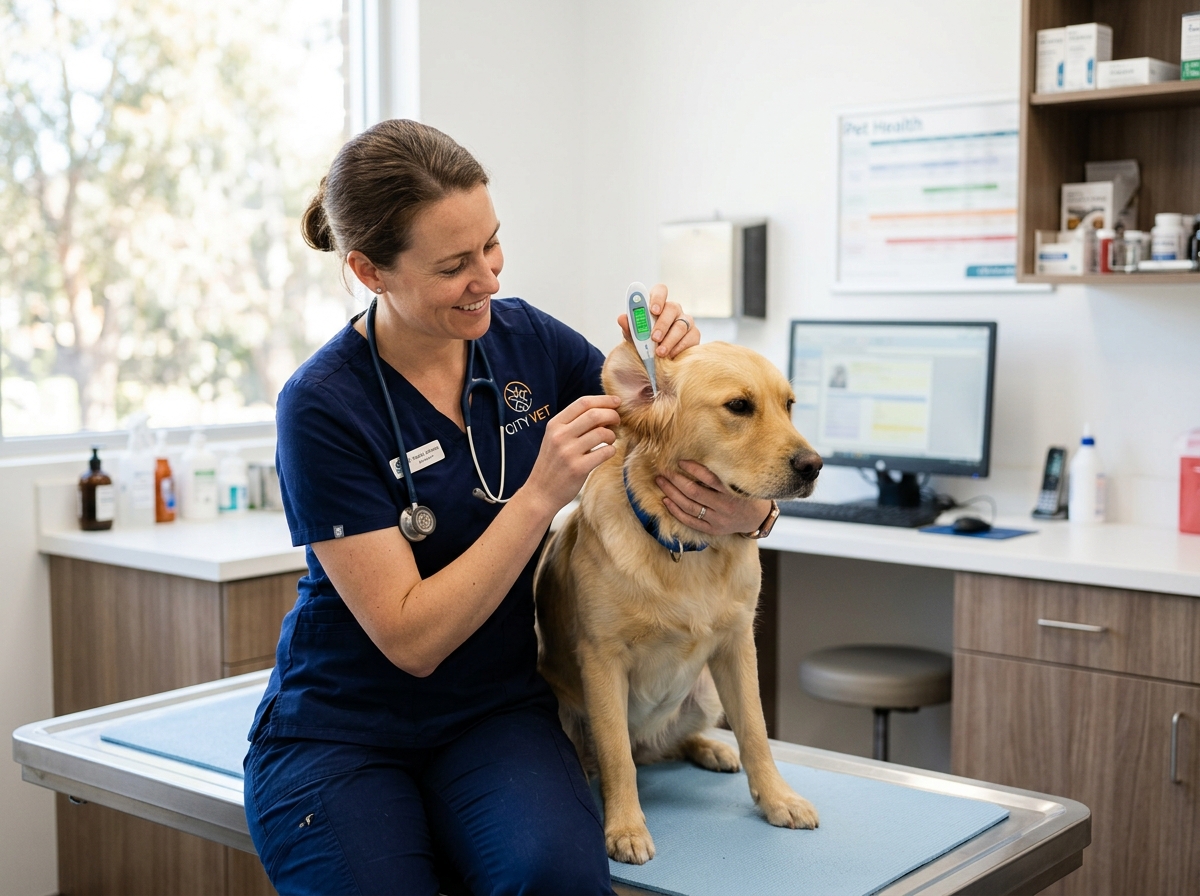
Dogs can develop fevers just like humans, and a fever is often a sign that the body is fighting an infection or illness. Recognizing dog fever symptoms early can help pet owners seek timely treatment and prevent serious health complications.
In this guide, we’ll discuss the common symptoms of fever in dogs, possible causes, and what steps you should take if your furry friend is running a high temperature.
What Is a Fever in Dogs?
A dog’s normal body temperature ranges between 101°F and 102.5°F (38.3°C to 39.2°C). A temperature above 103°F (39.4°C) is generally considered a fever, while temperatures above 106°F (41.1°C) can be life-threatening and require immediate veterinary care.
Common Dog Fever Symptoms
When a dog has a fever, several symptoms may appear. These signs can vary depending on the underlying cause and severity of the illness.
1. Lethargy and Low Energy
One of the most noticeable signs of fever is unusual tiredness. Your dog may sleep more than usual, avoid playing, or seem uninterested in daily activities.
2. Loss of Appetite
Dogs with fevers often refuse food or eat significantly less. A reduced appetite can indicate that your pet is feeling unwell.
3. Warm Ears and Nose
Although a warm nose alone isn’t a reliable indicator of fever, many dogs with elevated temperatures may have unusually warm ears, paws, or noses.
4. Shivering or Trembling
Just like humans, dogs may shiver when they have a fever. This occurs as the body attempts to regulate its temperature.
5. Red or Glassy Eyes
Inflammation and elevated body temperature can cause a dog’s eyes to appear red, watery, or glassy.
6. Increased Heart Rate
A fever may cause your dog’s heart to beat faster than normal as the body works harder to fight infection.
7. Dehydration
Dogs with fevers often drink less water or lose fluids through panting, leading to dehydration. Signs include dry gums and reduced skin elasticity.
Causes of Fever in Dogs
Several conditions can trigger a fever in dogs, including:
- Bacterial infections
- Viral infections
- Fungal infections
- Ear infections
- Urinary tract infections
- Dental disease
- Tick-borne illnesses
- Vaccination reactions
- Inflammation or autoimmune disorders
- Exposure to toxins
Sometimes, veterinarians may diagnose a condition known as Fever of Unknown Origin (FUO) when the exact cause cannot be identified immediately.
How to Check Your Dog’s Temperature
The most accurate way to determine if your dog has a fever is by using a digital rectal thermometer designed for pets.
Steps:
- Apply a pet-safe lubricant to the thermometer.
- Gently insert it about one inch into the rectum.
- Wait for the reading.
- Remove and clean the thermometer thoroughly.
If the temperature exceeds 103°F, monitor your dog closely and contact your veterinarian for guidance.
When to Contact a Veterinarian
Seek veterinary attention immediately if your dog:
- Has a temperature above 103°F.
- Has a temperature above 106°F (emergency).
- Experiences difficulty breathing.
- Refuses food and water for more than 24 hours.
- Has seizures or collapses.
- Shows severe vomiting or diarrhea.
Early diagnosis can help identify serious infections and prevent complications.
Can You Treat a Dog’s Fever at Home?
Mild fevers may sometimes resolve as the body fights infection, but you should never give human medications such as acetaminophen (Tylenol) or ibuprofen to your dog unless specifically instructed by a veterinarian.
To help your dog:
- Provide fresh water.
- Encourage rest.
- Keep the environment cool and comfortable.
- Monitor temperature regularly.
Always consult your veterinarian if symptoms persist or worsen.
Preventing Fever in Dogs
While not all fevers are preventable, you can reduce your dog’s risk by:
- Keeping vaccinations up to date.
- Maintaining good dental hygiene.
- Using parasite prevention products.
- Scheduling regular veterinary checkups.
- Providing a balanced diet and clean living environment.
Final Thoughts
Dog fever symptoms can range from mild lethargy and loss of appetite to serious signs such as dehydration and breathing difficulties. Understanding these symptoms allows pet owners to respond quickly and seek appropriate veterinary care. If you suspect your dog has a fever, monitor their temperature and contact your veterinarian for professional advice.