Dogs experience emotions just like humans, and anxiety is one of the most common behavioral issues pet owners face. While occasional nervousness is normal, persistent anxiety can affect a dog’s physical health, behavior, and overall quality of life. Understanding dog anxiety symptoms can help you identify problems early and provide the support your furry companion needs.
What Is Dog Anxiety?
Dog anxiety is a condition where a dog experiences excessive fear, stress, or nervousness in response to specific situations, environments, or triggers. Some dogs become anxious when left alone, while others may react to loud noises, unfamiliar people, or changes in routine.
If left untreated, anxiety can worsen over time and lead to destructive behaviors, health problems, and emotional distress.
Common Dog Anxiety Symptoms
Recognizing the signs of anxiety is the first step toward helping your dog. Symptoms can range from mild to severe depending on the dog’s personality and the cause of the anxiety.
1. Excessive Barking or Whining
An anxious dog may bark, howl, or whine more than usual. This behavior is especially common in dogs suffering from separation anxiety when their owners leave the house.
2. Pacing and Restlessness
Dogs experiencing stress often pace back and forth without settling down. They may seem unable to relax even in familiar surroundings.
3. Trembling or Shaking
Shaking is a common physical symptom of anxiety. Dogs may tremble during thunderstorms, fireworks, veterinary visits, or other stressful situations.
4. Destructive Behavior
Chewing furniture, scratching doors, digging, and tearing household items can be signs of anxiety. Many dogs engage in these behaviors to cope with stress.


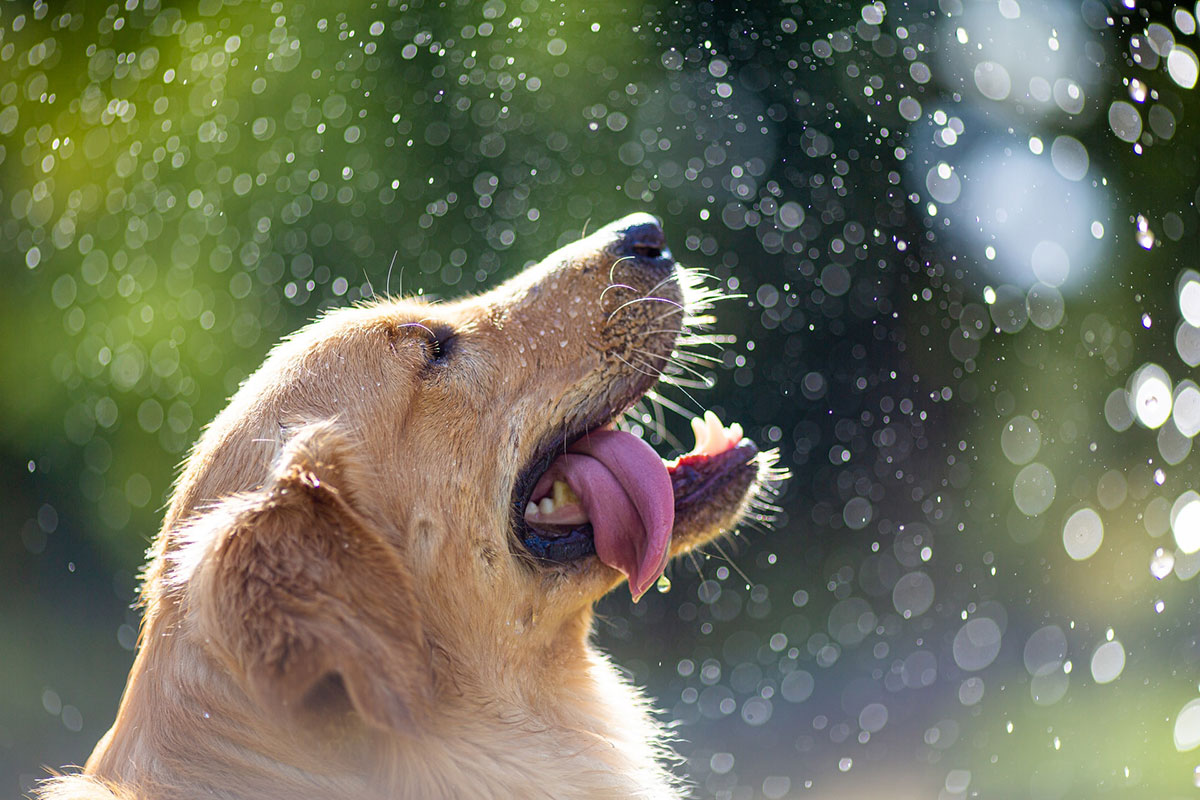
5. Excessive Panting
While panting is normal after exercise, anxious dogs may pant heavily even when they haven’t been active. This can be a response to stress or fear.
6. Loss of Appetite
Some dogs eat less or refuse food altogether when feeling anxious. Changes in eating habits should always be monitored closely.
7. Hiding or Avoidance
An anxious dog may hide under furniture, behind objects, or in secluded areas to avoid stressful situations.
Physical Signs of Anxiety in Dogs
Anxiety doesn’t only affect behavior—it can also cause physical symptoms. These may include:
- Dilated pupils
- Drooling excessively
- Increased heart rate
- Excessive shedding
- Yawning repeatedly
- Licking lips frequently
- Digestive issues such as diarrhea
If these symptoms occur regularly, consult your veterinarian to rule out medical conditions.
Causes of Dog Anxiety
Understanding what triggers anxiety can help you manage it more effectively.
Separation Anxiety
Many dogs become distressed when left alone. Separation anxiety is one of the most common forms of canine anxiety and often results in destructive behavior and excessive vocalization.
Loud Noises
Thunderstorms, fireworks, construction sounds, and other loud noises can trigger intense fear and anxiety.
Changes in Environment
Moving to a new home, introducing a new pet, or changing routines can create stress for dogs.
Past Trauma
Dogs rescued from shelters or abusive situations may develop anxiety due to previous negative experiences.
Aging and Cognitive Decline
Senior dogs may experience anxiety due to age-related cognitive changes, confusion, or reduced sensory abilities.
How to Help an Anxious Dog
Fortunately, there are several ways to reduce anxiety and help your dog feel more secure.
Create a Safe Space
Provide a quiet, comfortable area where your dog can retreat during stressful situations.
Maintain a Consistent Routine
Dogs thrive on predictability. Feeding, walks, and playtime should occur at regular times whenever possible.
Increase Physical Exercise
Regular exercise helps reduce stress and burn excess energy that may contribute to anxiety.
Use Positive Reinforcement
Reward calm behavior with treats, praise, and affection. Avoid punishing anxious behaviors, as this can increase fear.


Try Calming Products
Many pet owners find success with:
- Anxiety wraps
- Calming treats
- Pheromone diffusers
- Interactive toys
- White noise machines
Seek Professional Help
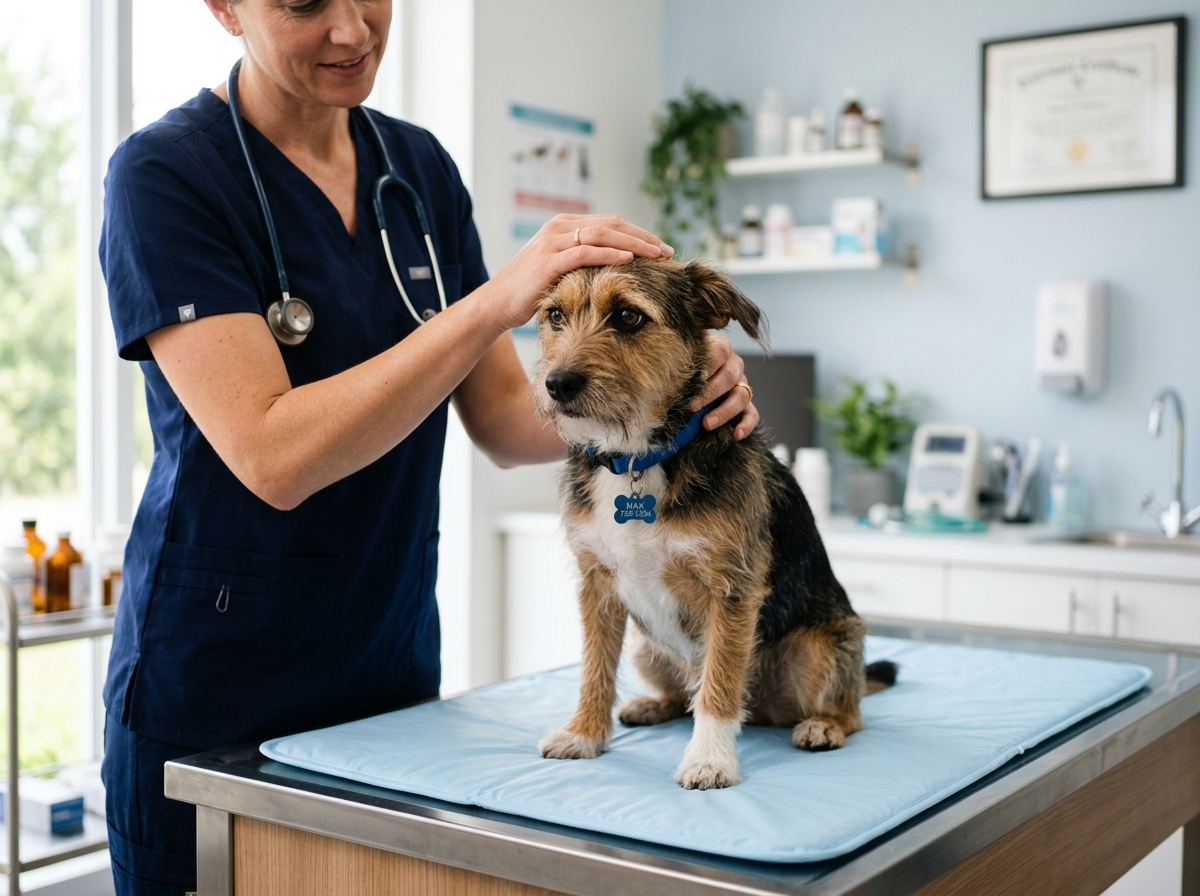
If anxiety becomes severe, consult a veterinarian or certified dog behaviorist. They can recommend behavior modification plans and, in some cases, medication.
When to See a Veterinarian
You should seek veterinary advice if your dog’s anxiety:
- Interferes with daily life
- Causes self-injury
- Leads to aggressive behavior
- Results in persistent digestive issues
- Worsens over time
A veterinarian can determine whether an underlying medical condition is contributing to the symptoms.
Final Thoughts
Dog anxiety is a common but manageable condition. By recognizing the symptoms early and identifying triggers, you can help your dog feel safer and more comfortable. Whether through training, environmental adjustments, or professional guidance, taking proactive steps can significantly improve your dog’s emotional well-being and strengthen the bond you share.
Word Count: ~900 words.
SEO Keywords: Dog anxiety symptoms, signs of anxiety in dogs, dog stress symptoms, separation anxiety in dogs, anxious dog behavior, canine anxiety treatment.