Long-haired dogs are beautiful, but their luxurious coats require consistent grooming to stay healthy, tangle-free, and comfortable. Whether you own a Golden Retriever, Afghan Hound, Shih Tzu, or Collie, choosing the right brush can make grooming easier and more effective. In this guide, we’ll explore the best brushes for long-haired dogs and how to choose the perfect grooming tool for your furry companion.
Why Regular Brushing Is Important
Long-haired dogs are prone to matting, tangles, and shedding. Regular brushing helps:
- Remove loose hair and reduce shedding.
- Prevent painful mats and knots.
- Distribute natural oils for a shiny coat.
- Improve skin health and circulation.
- Keep your home cleaner by reducing fur buildup.
With the right brush, grooming sessions become more enjoyable for both you and your dog.
1. Slicker Brushes: The All-Purpose Grooming Tool
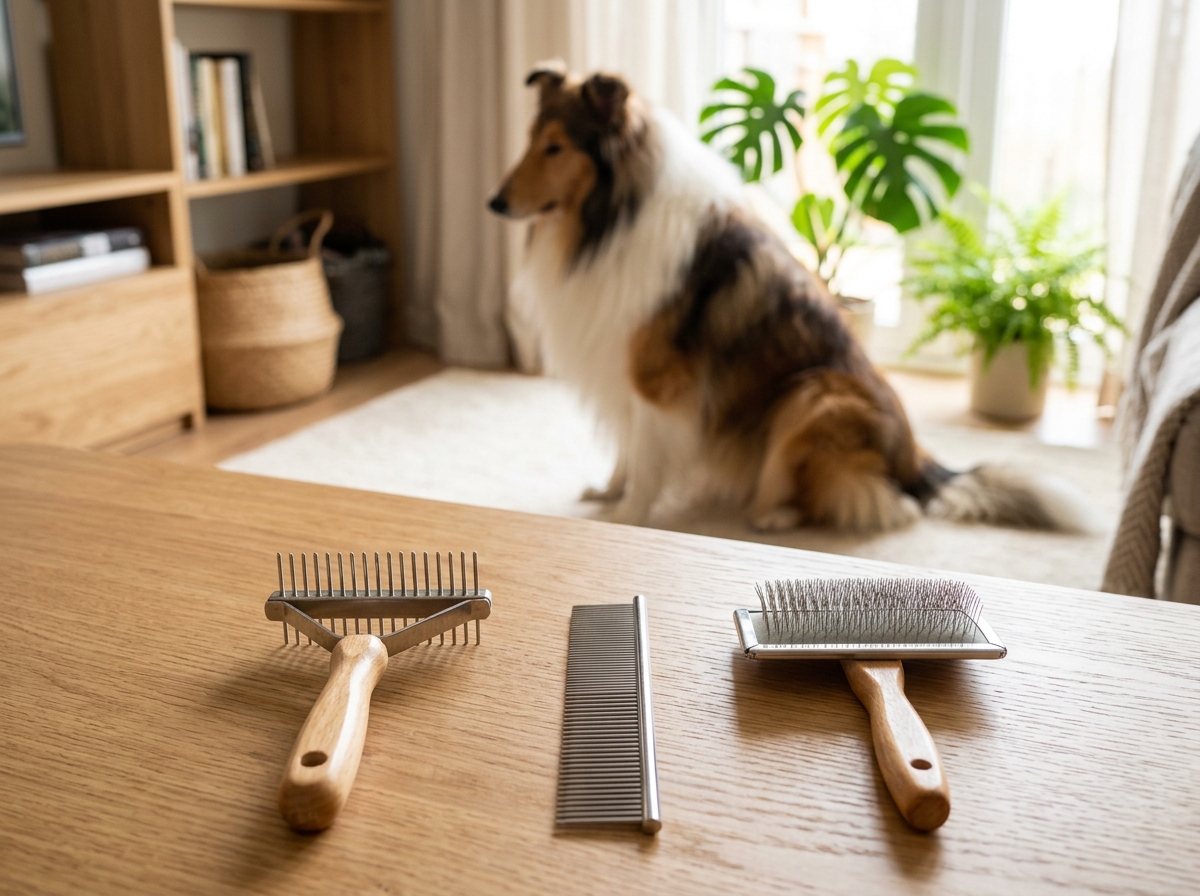
Slicker brushes are among the most popular grooming tools for long-haired breeds. They feature fine, short wire bristles that effectively remove loose fur, tangles, and dirt from the coat.
Benefits
- Excellent for removing mats and tangles.
- Works well on thick double coats.
- Reduces shedding.
- Reaches deep into the undercoat.
Best For
- Golden Retrievers
- Australian Shepherds
- Border Collies
- Long-haired mixed breeds
When using a slicker brush, be gentle to avoid irritating your dog’s skin.
2. Pin Brushes: Gentle Daily Maintenance
Pin brushes resemble human hairbrushes and feature rounded metal pins that glide smoothly through long fur.
Benefits
- Gentle on sensitive skin.
- Ideal for daily brushing.
- Helps maintain a fluffy appearance.
- Prevents light tangles from forming.
Best For
- Afghan Hounds
- Yorkshire Terriers
- Maltese
- Shih Tzus
Pin brushes are best used for maintenance rather than heavy-duty de-matting.
3. Undercoat Rakes: Perfect for Thick Coats
Dogs with dense undercoats often need more than a standard brush. Undercoat rakes are designed to penetrate deep into the coat and remove loose undercoat hair.
Benefits
- Reduces seasonal shedding.
- Prevents undercoat matting.
- Improves airflow through the coat.
Best For
- Siberian Huskies
- Samoyeds
- Newfoundland Dogs
- German Shepherds
Use an undercoat rake once or twice weekly during shedding seasons for best results.
4. De-Matting Tools: Tackling Tough Knots
For dogs prone to severe tangles, de-matting tools can be lifesavers. These specialized grooming tools feature sharp, protected blades designed to safely break apart stubborn mats.
Benefits
- Removes tough mats without excessive pulling.
- Saves time during grooming.
- Helps prevent coat damage.
Best For
- Long-haired dogs with neglected coats.
- Dogs that frequently play outdoors.
Always use de-matting tools carefully and work slowly through knots.
5. Bristle Brushes: Adding Shine and Smoothness
Bristle brushes are excellent finishing tools. While they don’t remove deep tangles, they help distribute natural oils and create a polished appearance.
Benefits
- Enhances coat shine.
- Removes surface dirt.
- Smooths the outer coat.
Best For
- Dogs that are already detangled.
- Final grooming touches.
Many professional groomers use a bristle brush after slicker or pin brushing.
How to Choose the Right Brush
When selecting a brush for your long-haired dog, consider:
Coat Type
Different breeds have varying coat textures. Thick double coats benefit from slicker brushes and undercoat rakes, while silky coats respond well to pin brushes.
Grooming Needs
If your dog frequently develops mats, prioritize a slicker brush or de-matting tool.
Comfort
Look for ergonomic handles and gentle bristles to ensure comfortable grooming sessions.
Quality
Durable brushes may cost more initially but often provide better results and last much longer.
Grooming Tips for Long-Haired Dogs
- Brush your dog at least 3–4 times per week.
- Start at the ends of the fur and work toward the skin.
- Use treats to create a positive grooming experience.
- Check behind the ears, under the legs, and around the tail for hidden mats.
- Schedule professional grooming when necessary.
Final Thoughts
The best brush for a long-haired dog depends on their coat type and grooming needs. For most owners, a slicker brush combined with a pin brush provides an excellent grooming routine. Dogs with thick undercoats may also benefit from an undercoat rake, while de-matting tools help tackle stubborn knots. Investing in the right grooming tools will keep your dog’s coat healthy, beautiful, and comfortable year-round.