A dog’s dental health is an essential part of its overall well-being. Just like humans, dogs can suffer from plaque buildup, bad breath, gum disease, and tooth decay if their teeth are not properly cared for. Maintaining good oral hygiene can help prevent painful dental problems and contribute to a longer, healthier life for your furry companion. Here are some practical dental hygiene tips every dog owner should follow.
Why Dental Care Matters
Dental disease is one of the most common health issues affecting dogs. Poor oral hygiene can lead to plaque and tartar accumulation, causing gum inflammation, infections, and tooth loss. In severe cases, bacteria from dental infections can spread to other organs, including the heart, liver, and kidneys.
By establishing a regular dental care routine, pet owners can significantly reduce the risk of these complications and improve their dog’s quality of life.
1. Brush Your Dog’s Teeth Regularly
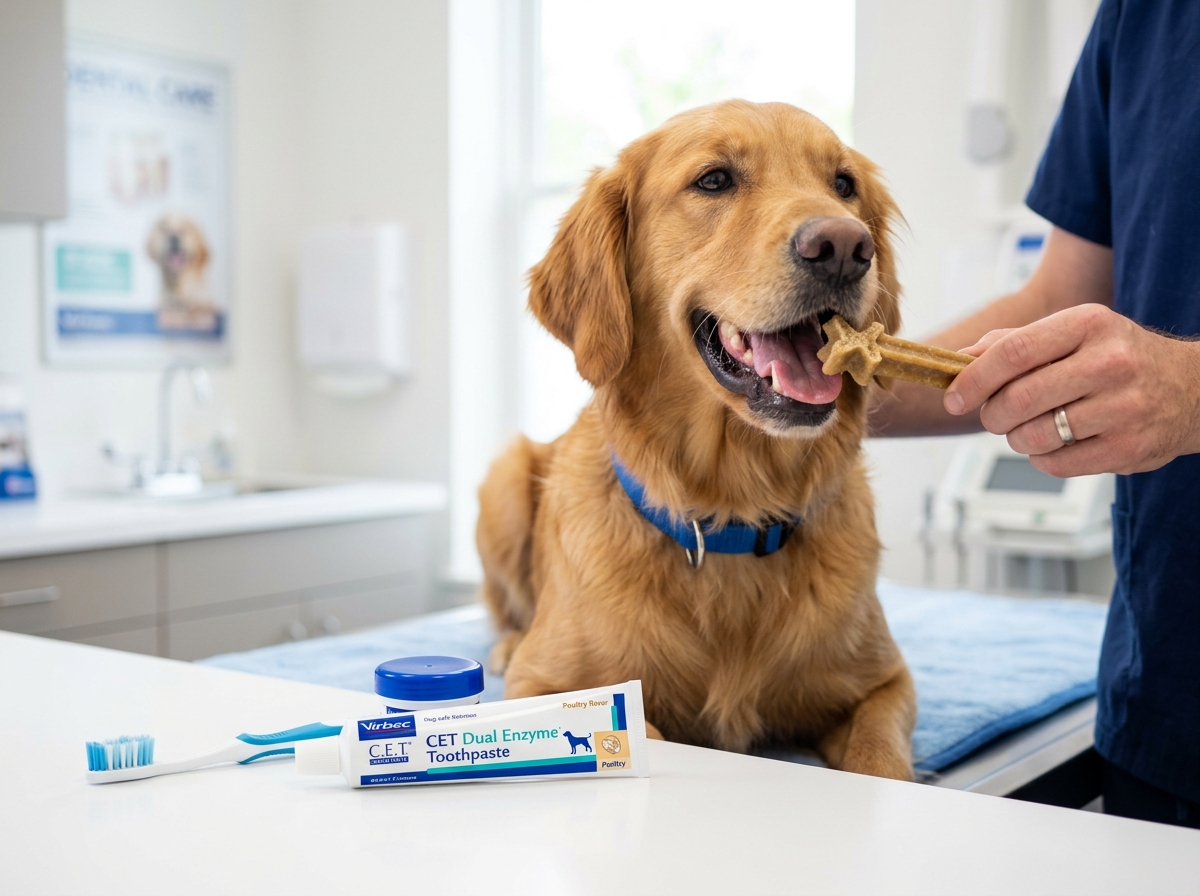
Brushing your dog’s teeth is the most effective way to prevent plaque buildup. Use a toothbrush designed specifically for dogs and a dog-safe toothpaste. Human toothpaste should never be used because it contains ingredients that can be harmful to pets.
Tips for successful brushing:
- Start slowly and allow your dog to get used to the toothbrush.
- Use gentle circular motions.
- Focus on the outer surfaces of the teeth.
- Aim to brush at least 2–3 times per week, though daily brushing is ideal.
2. Provide Dental Chews and Toys
Dental chews and specially designed chew toys can help reduce plaque and tartar while keeping your dog entertained. These products encourage chewing, which naturally cleans the teeth and massages the gums.
When selecting dental products:
- Choose items appropriate for your dog’s size and age.
- Avoid extremely hard objects that may damage teeth.
- Look for products recommended by veterinary professionals.
3. Offer a Healthy Diet
A balanced diet contributes to strong teeth and healthy gums. Some dog foods are specifically formulated to support dental health by reducing plaque accumulation. Fresh water should also be available at all times to help wash away food particles and bacteria.
Avoid feeding excessive sugary treats or table scraps, as they can contribute to dental problems.
4. Watch for Signs of Dental Disease
Early detection can prevent serious complications. Monitor your dog for symptoms such as:
- Persistent bad breath
- Red or swollen gums
- Yellow or brown tartar buildup
- Difficulty chewing
- Excessive drooling
- Loose or missing teeth
If you notice any of these signs, schedule a veterinary examination promptly.
5. Schedule Professional Dental Checkups
Regular veterinary dental examinations are crucial. A veterinarian can identify issues that may not be visible during routine home care and recommend professional cleaning when necessary.
Most dogs benefit from annual dental checkups, although some breeds may require more frequent monitoring due to a higher risk of dental disease.
6. Use Dental Rinses and Water Additives
Veterinary-approved dental rinses and water additives can help control bacteria and freshen breath. While these products should not replace brushing, they can be useful additions to a comprehensive oral care routine.
Always consult your veterinarian before introducing new dental products to ensure they are safe and suitable for your pet.
7. Establish a Consistent Routine
Consistency is the key to maintaining your dog’s oral health. Combining regular brushing, dental chews, healthy nutrition, and veterinary care creates a strong defense against dental disease.
A simple weekly routine can make a significant difference in preventing costly and painful dental problems in the future.
Conclusion
Good dental hygiene is essential for keeping your dog healthy, comfortable, and happy. By brushing their teeth regularly, providing dental-friendly products, monitoring for signs of disease, and scheduling professional veterinary checkups, you can protect your dog’s oral health for years to come. Investing a little time in dental care today can lead to a healthier and more enjoyable life for your beloved canine companion.