Introduction:
Skin allergies are one of the most common health problems affecting dogs worldwide. They can cause constant itching, redness, irritation, and discomfort that significantly impacts a dog’s quality of life. Understanding the causes, symptoms, treatment options, and prevention methods can help pet owners keep their furry companions healthy and comfortable.
This comprehensive guide covers everything you need to know about dog skin allergies.
What Are Dog Skin Allergies?
Dog skin allergies occur when a dog’s immune system overreacts to substances that are normally harmless. These allergens trigger inflammation, leading to itching, redness, rashes, and other skin problems.
Allergies can affect dogs of any breed, age, or size, although some breeds are more genetically predisposed than others.
Common Breeds Prone to Skin Allergies
- Golden Retrievers
- Labrador Retrievers
- Bulldogs
- Boxers
- German Shepherds
- West Highland White Terriers
- Shih Tzus
Types of Dog Skin Allergies
1. Flea Allergy Dermatitis (FAD)
Flea allergy dermatitis is caused by a dog’s allergic reaction to flea saliva. Even a single flea bite can trigger intense itching in sensitive dogs.
Symptoms include:
- Excessive scratching
- Hair loss
- Red, irritated skin
- Scabs around the tail and lower back
2. Food Allergies
Some dogs develop allergic reactions to certain ingredients in their food.
Common food allergens include:
- Beef
- Chicken
- Dairy products
- Eggs
- Wheat
- Soy
Symptoms often include both skin issues and digestive problems.
3. Environmental Allergies (Atopic Dermatitis)
Environmental allergies occur when dogs react to substances in their surroundings.
Common triggers include:
- Pollen
- Mold spores
- Dust mites
- Grass
- Household chemicals
Signs and Symptoms of Skin Allergies
Dogs with skin allergies may show various symptoms depending on the severity and cause.
Common Symptoms
- Constant scratching
- Biting or licking paws
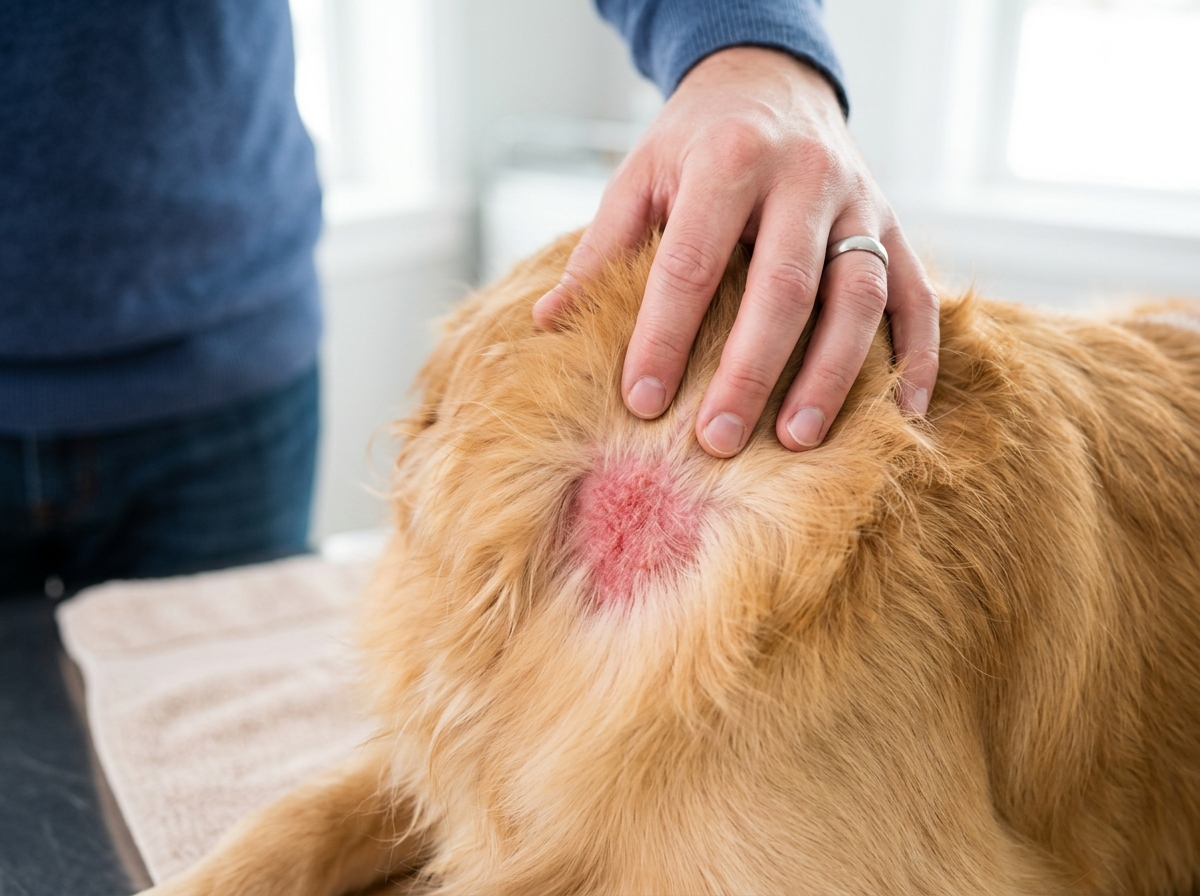
- Red or inflamed skin
- Hot spots
- Ear infections
- Hair loss
- Dry or flaky skin
- Skin odor
- Rashes
If these symptoms persist, consulting a veterinarian is highly recommended.
What Causes Dog Skin Allergies?
Several factors can contribute to skin allergies in dogs.
Environmental Factors
- Seasonal pollen
- Dust mites
- Mold
- Cigarette smoke
Parasites
- Fleas
- Mites
- Ticks
Food Ingredients
Certain proteins and grains may trigger allergic reactions.
Genetics
Some breeds inherit a higher risk of developing allergies due to their genetic makeup.
How Veterinarians Diagnose Skin Allergies
Accurate diagnosis is essential for effective treatment.
Veterinarians may use:
Physical Examination
A complete skin and health assessment helps identify obvious signs of allergies.
Allergy Testing
Blood tests and skin tests can help pinpoint specific allergens.
Elimination Diet Trials
For suspected food allergies, dogs may be placed on a special diet for several weeks to identify problematic ingredients.
Treatment Options for Dog Skin Allergies
Treatment depends on the underlying cause of the allergy.
Medications
Veterinarians may prescribe:
- Antihistamines
- Corticosteroids
- Anti-itch medications
- Antibiotics for secondary infections
Medicated Shampoos
Special shampoos help soothe irritated skin and remove allergens from the coat.
Allergy Immunotherapy
Allergy shots or oral immunotherapy can reduce sensitivity to specific allergens over time.
Dietary Changes
Dogs with food allergies often benefit from:
- Limited ingredient diets
- Hydrolyzed protein diets
- Prescription allergy diets
Natural Remedies for Mild Skin Allergies
While veterinary care is important, some natural approaches may provide additional relief.
Omega-3 Fatty Acids
Fish oil supplements can help reduce inflammation and improve skin health.
Oatmeal Baths
Oatmeal can soothe itchy and irritated skin naturally.
Coconut Oil
When used appropriately, coconut oil may help moisturize dry skin.
Note: Always consult your veterinarian before trying new supplements or remedies.
How to Prevent Dog Skin Allergies
Although not all allergies can be prevented, these strategies may reduce flare-ups.
Regular Grooming
- Brush your dog frequently.
- Bathe with veterinarian-approved shampoos.
- Keep skin clean and dry.
Flea Prevention
Use year-round flea prevention products recommended by your veterinarian.
Maintain a Healthy Diet
Provide balanced, high-quality nutrition to support skin and immune health.
Reduce Environmental Triggers
- Wash bedding regularly.
- Vacuum carpets frequently.
- Use air purifiers when needed.
When to See a Veterinarian
Seek veterinary care if your dog experiences:
- Severe itching
- Open sores
- Persistent ear infections
- Hair loss
- Swelling
- Signs of infection
Early treatment can prevent complications and improve your dog’s comfort.
Frequently Asked Questions
Can dog skin allergies be cured?
Most skin allergies cannot be completely cured, but they can often be managed successfully with proper treatment and lifestyle changes.
What is the most common skin allergy in dogs?
Environmental allergies and flea allergy dermatitis are among the most common causes of skin problems in dogs.
Can food allergies cause itching?
Yes. Food allergies often cause chronic itching, skin irritation, and recurring ear infections.
How long does it take for allergy treatment to work?
Results vary depending on the cause and treatment method. Some dogs improve within days, while others may require several weeks.
Conclusion
Dog skin allergies can be frustrating for both pets and owners, but understanding the causes and symptoms is the first step toward effective management. Whether the allergy is caused by fleas, food, or environmental triggers, early diagnosis and proper treatment can greatly improve your dog’s quality of life. With regular veterinary care, good nutrition, and preventive measures, most dogs can live happy and comfortable lives despite allergies.