German Shepherds are among the most intelligent, loyal, and versatile dog breeds in the world. Known for their strong work ethic and eagerness to learn, these dogs excel as family companions, service animals, and working dogs. However, their intelligence and energy levels require proper training from an early age. The following training tips will help you raise a well-behaved and confident German Shepherd.
Start Training Early


The best time to begin training a German Shepherd is during puppyhood. Puppies are highly receptive to learning and can quickly develop good habits. Start with basic commands such as:
- Sit
- Stay
- Come
- Down
- Leave it
Keep training sessions short, positive, and consistent. Five to ten minutes several times a day is often more effective than one long session.
Use Positive Reinforcement
German Shepherds respond exceptionally well to positive reinforcement. Reward desired behaviors with:
- Treats
- Praise
- Toys
- Affection
Avoid harsh punishment, as it can damage trust and create fear-based behaviors. Instead, focus on rewarding good actions and redirecting unwanted behaviors.
Prioritize Socialization
Early socialization helps German Shepherds become confident and friendly around people, animals, and new environments. Expose your dog to:
- Different people
- Other dogs
- Various sounds and sights
- New locations
Positive social experiences reduce the risk of anxiety and aggression later in life.
Be Consistent With Commands
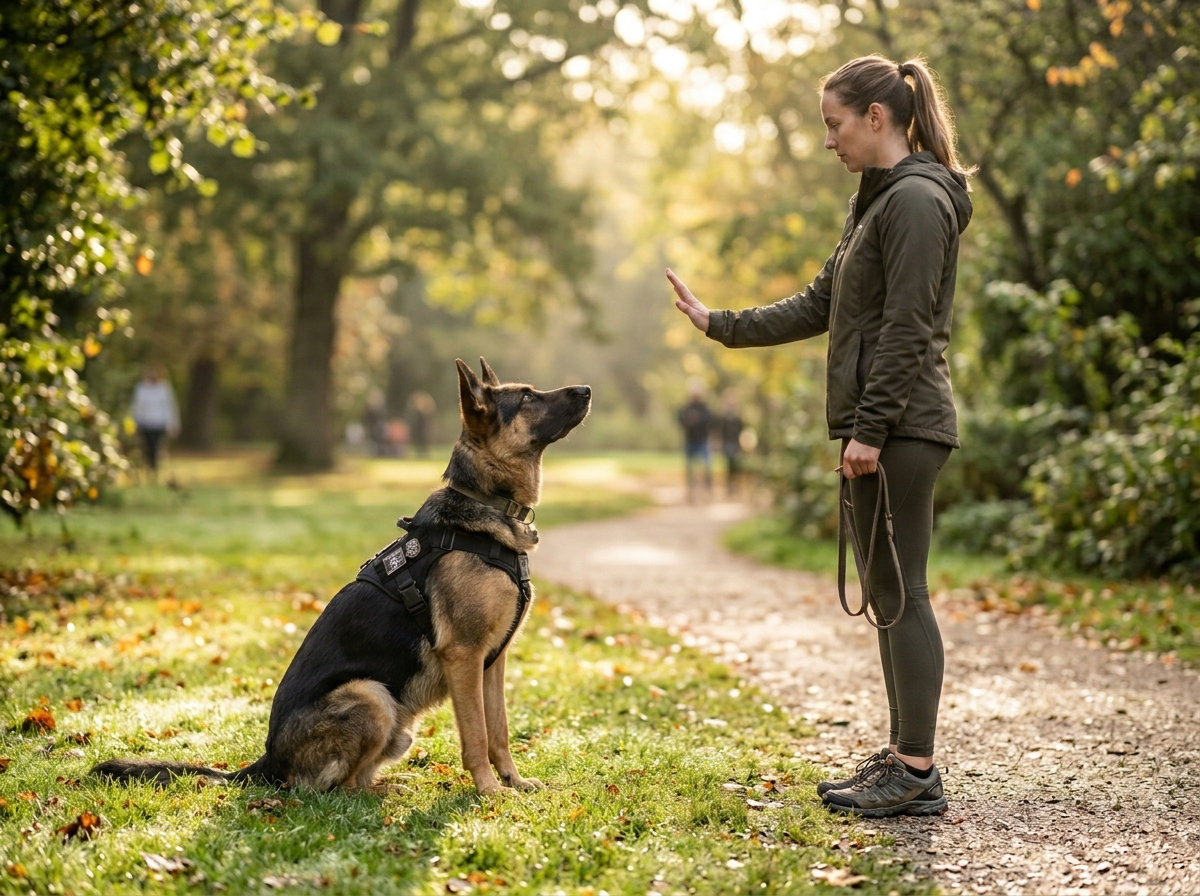
Consistency is one of the most important aspects of training. Use the same words and hand signals for each command. If one family member says “Down” while another says “Lie Down,” the dog may become confused.
Everyone in the household should follow the same training rules and expectations.
Provide Plenty of Exercise
German Shepherds are energetic dogs that need daily physical activity. A bored German Shepherd may develop destructive habits such as chewing furniture or excessive barking.
Recommended activities include:
- Daily walks
- Running
- Fetch games
- Agility training
- Hiking
Regular exercise helps keep both their body and mind healthy.
Incorporate Mental Stimulation


Mental exercise is just as important as physical exercise. German Shepherds thrive when given challenges that engage their intelligence.
Try activities such as:
- Puzzle toys
- Scent work
- Advanced obedience training
- Trick training
- Interactive games
Keeping their minds active can prevent boredom and improve behavior.
Focus on Leash Training
Teaching proper leash manners early makes walks more enjoyable. Reward your dog for walking calmly beside you and stop moving when they pull excessively. Patience and consistency will gradually teach them that pulling does not lead to progress.
Teach Impulse Control
Impulse control exercises help German Shepherds remain calm in exciting situations. Useful commands include:
- Wait
- Stay
- Leave it
- Place
These commands improve overall obedience and safety in everyday situations.
Address Problem Behaviors Quickly
If you notice unwanted behaviors such as jumping, excessive barking, or chewing, address them immediately before they become habits. Identify the cause and redirect your dog’s energy toward appropriate activities.
Early intervention is usually easier and more effective than correcting long-established behaviors.
Consider Advanced Training
German Shepherds often enjoy advanced training opportunities. After mastering basic obedience, you can explore:
- Agility sports
- Search and rescue training
- Protection sports
- Service dog work
- Therapy dog training
Advanced training strengthens the bond between you and your dog while providing valuable mental stimulation.
Conclusion
German Shepherds are highly trainable dogs that flourish under consistent guidance, positive reinforcement, and regular mental and physical exercise. By starting early, maintaining consistency, and providing plenty of opportunities to learn, you can develop a well-mannered, confident, and happy German Shepherd that becomes a loyal companion for years to come.