Dogs that lead active lifestyles require proper nutrition to support their energy levels, muscle development, recovery, and overall health. Among all nutrients, protein plays a critical role in maintaining an active dog’s physical condition. Whether your dog participates in agility competitions, hunting, herding, running, or simply enjoys vigorous daily exercise, understanding protein requirements is essential for optimal performance and well-being.
Why Protein Is Important for Active Dogs


Protein is made up of amino acids, which serve as the building blocks for muscles, tissues, enzymes, hormones, and immune system functions. Active dogs experience greater muscle wear and tear than sedentary dogs, making adequate protein intake crucial for:
- Building and maintaining lean muscle mass
- Repairing damaged tissues after exercise
- Supporting a healthy immune system
- Producing enzymes and hormones
- Enhancing endurance and performance
- Promoting faster recovery after physical activity
Without sufficient protein, active dogs may experience muscle loss, fatigue, slower recovery times, and reduced athletic performance.
How Much Protein Does an Active Dog Need?
The protein requirements of dogs vary depending on age, breed, activity level, and overall health. While the minimum protein requirement for adult maintenance is relatively low, active dogs benefit from significantly higher protein levels.
General guidelines include:
- Average adult dogs: 18–25% protein (dry matter basis)
- Moderately active dogs: 25–30% protein
- Highly active or working dogs: 30–35% protein or more
- Endurance and sporting dogs: Up to 35–40% protein in some performance diets
The quality of the protein source is just as important as the quantity. Highly digestible animal proteins provide essential amino acids that dogs can efficiently utilize.
Best Sources of Protein for Active Dogs
Not all protein sources are created equal. High-quality animal-based proteins offer superior amino acid profiles compared to many plant-based sources.
Excellent protein sources include:
- Chicken
- Turkey
- Beef
- Lamb
- Fish such as salmon and sardines
- Eggs
- Duck
- Venison
These ingredients provide essential amino acids that help maintain muscle strength and support recovery after strenuous activity.
Signs Your Active Dog May Need More Protein
Dogs that are not receiving enough protein may show several warning signs, including:
- Loss of muscle mass
- Reduced stamina during exercise
- Slow recovery after activity
- Poor coat condition
- Increased susceptibility to illness
- Unexplained weight loss
- Reduced enthusiasm for physical activity
If these symptoms persist, consulting a veterinarian or canine nutrition specialist is recommended.
Choosing the Right High-Protein Dog Food


When selecting food for an active dog, examine the ingredient list and guaranteed analysis carefully. Look for:
- Real meat as the first ingredient
- Clearly identified protein sources
- High digestibility
- Balanced fat content for energy
- Appropriate calorie levels for activity demands
- Limited fillers and unnecessary additives
Performance dog foods are often specifically formulated to provide higher protein and energy levels for working and sporting dogs.
Can Dogs Have Too Much Protein?
For healthy dogs, higher protein diets are generally well tolerated and beneficial when matched to activity levels. Contrary to some outdated beliefs, increased dietary protein does not typically cause kidney problems in healthy dogs.
However, dogs with existing kidney disease or certain medical conditions may require specialized dietary management. Always seek veterinary guidance when making major dietary changes.
Supporting Recovery Through Protein Timing
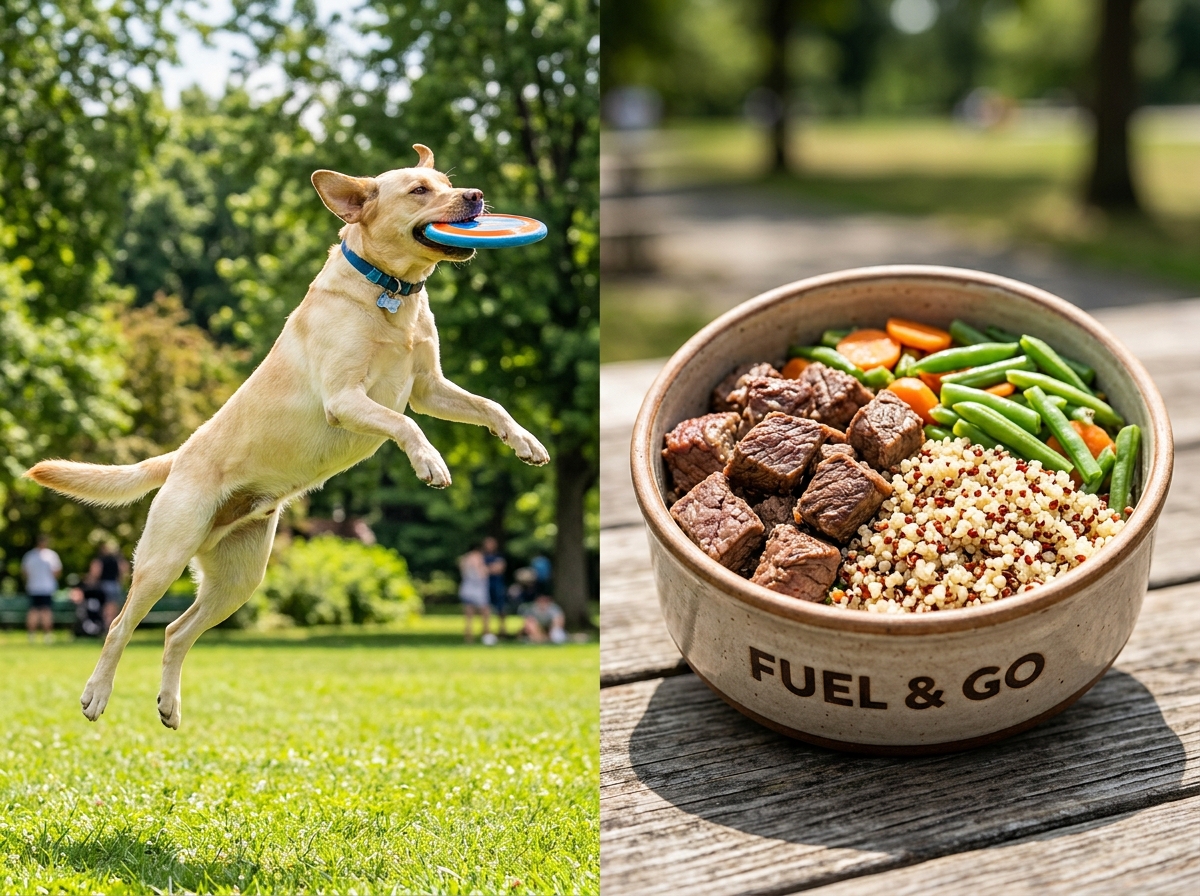
Providing protein-rich meals after periods of intense activity can help support muscle repair and recovery. Combining adequate hydration, rest, and balanced nutrition ensures that active dogs remain healthy and ready for their next adventure.
Conclusion
Protein is one of the most important nutrients for active dogs. It supports muscle development, recovery, immune function, and overall performance. By choosing high-quality protein sources and ensuring your dog’s diet matches their activity level, you can help them maintain peak physical condition, recover efficiently, and enjoy a healthy, active life.
The article includes two relevant images placed under separate headings as requested.