Dogs are naturally social animals that form strong bonds with their owners. While most dogs can comfortably spend time alone, some struggle when separated from their human companions. This condition, known as separation anxiety, can lead to distressing behaviors and emotional discomfort for both pets and owners. Recognizing the signs early can help you address the issue and improve your dog’s well-being.
What Is Separation Anxiety in Dogs?
Separation anxiety is a behavioral condition that occurs when a dog becomes excessively stressed when left alone or separated from a person they are attached to. The anxiety can range from mild uneasiness to severe panic, often resulting in destructive or disruptive behavior.
Excessive Barking and Whining


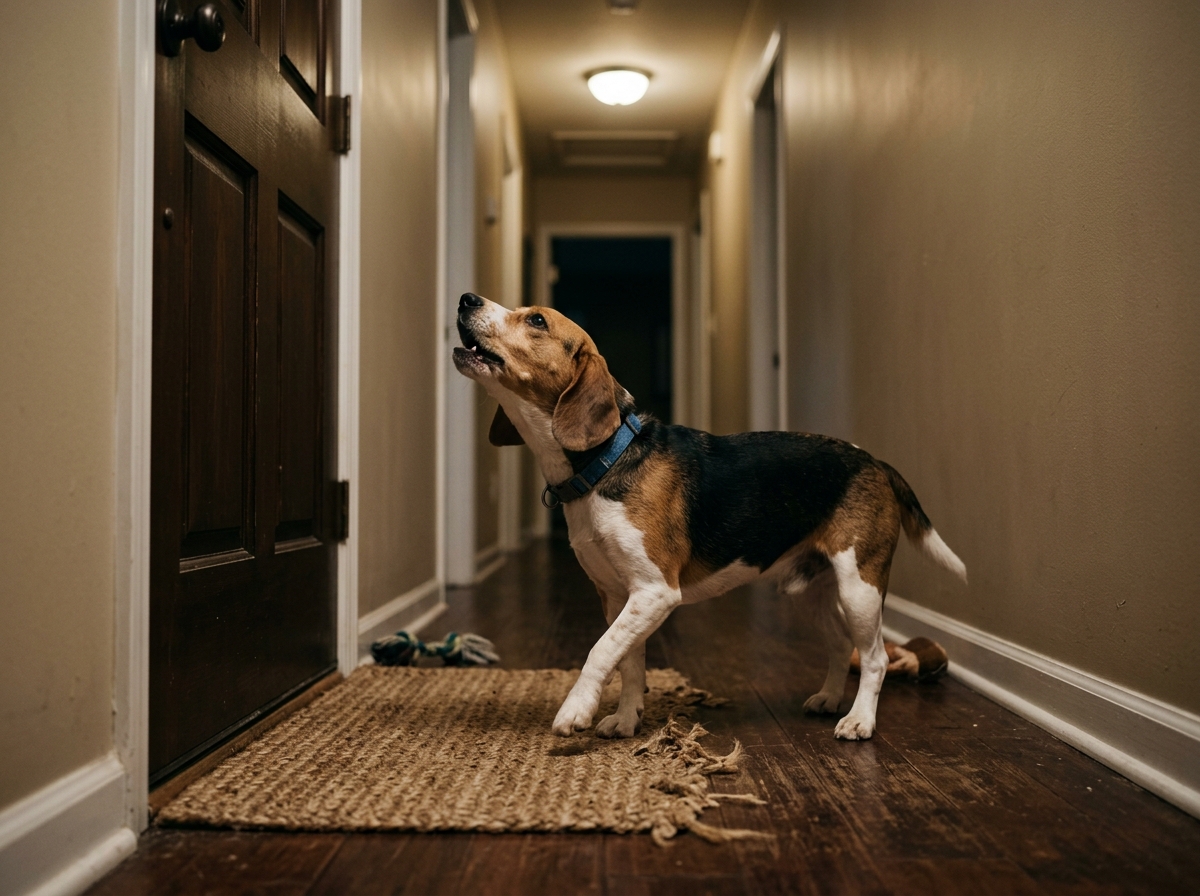
One of the most common signs of separation anxiety is excessive vocalization. Dogs experiencing anxiety may bark, howl, whine, or cry continuously after their owner leaves. Unlike normal barking triggered by external stimuli, this behavior often persists for extended periods and may stop only when the owner returns.
Destructive Behavior
An anxious dog may chew furniture, scratch doors, tear curtains, or destroy household items. This behavior is often concentrated around entry and exit points, such as doors and windows, as the dog attempts to escape and reunite with its owner.
Pacing and Restlessness
Dogs with separation anxiety often display repetitive behaviors, including pacing back and forth in a fixed pattern. They may seem unable to relax, constantly moving around the house or checking areas where their owner was last seen.
House Soiling Despite Being Trained
A previously house-trained dog that suddenly urinates or defecates indoors when left alone may be experiencing separation anxiety. These accidents typically occur only during periods of isolation and are often linked to stress rather than a lack of training.
Escape Attempts


Some dogs become so distressed that they try to escape from their confinement area. They may scratch doors, chew window frames, dig under fences, or damage crates. In severe cases, these escape attempts can result in injuries to the dog’s teeth, paws, or nails.
Following You Everywhere
Dogs suffering from separation anxiety often become overly attached and follow their owners from room to room. Even when the owner is home, the dog may appear unable to relax unless they are nearby.
Changes in Appetite
Anxiety can affect a dog’s eating habits. Some dogs refuse to eat or drink when left alone, while others may show reduced interest in treats that they normally enjoy.
Signs Before You Leave
Many dogs with separation anxiety become distressed as soon as they notice pre-departure cues. Picking up keys, putting on shoes, grabbing a bag, or heading toward the door may trigger nervous behaviors such as trembling, panting, drooling, or pacing.
How to Help a Dog with Separation Anxiety
If you suspect your dog has separation anxiety, consider the following steps:
- Gradually increase the amount of time your dog spends alone.
- Provide interactive toys and puzzle feeders.
- Establish a consistent daily routine.
- Ensure your dog receives adequate physical exercise and mental stimulation.
- Avoid making departures and arrivals overly emotional.
- Create a safe, comfortable space for your dog.
- Consult a professional dog trainer or veterinarian if symptoms are severe.
When to Seek Professional Help
If your dog’s anxiety leads to self-injury, extreme distress, or significant destruction, professional guidance is recommended. A veterinarian can rule out medical causes and may suggest behavioral therapy or treatment options tailored to your dog’s needs.
Conclusion
Separation anxiety can significantly impact a dog’s quality of life, but early recognition and proper management can make a substantial difference. By understanding the signs—such as excessive barking, destructive behavior, pacing, and house soiling—you can take proactive steps to help your dog feel more secure and comfortable when left alone.
The article includes two relevant images placed under separate headings, making it more engaging and visually appealing for readers.