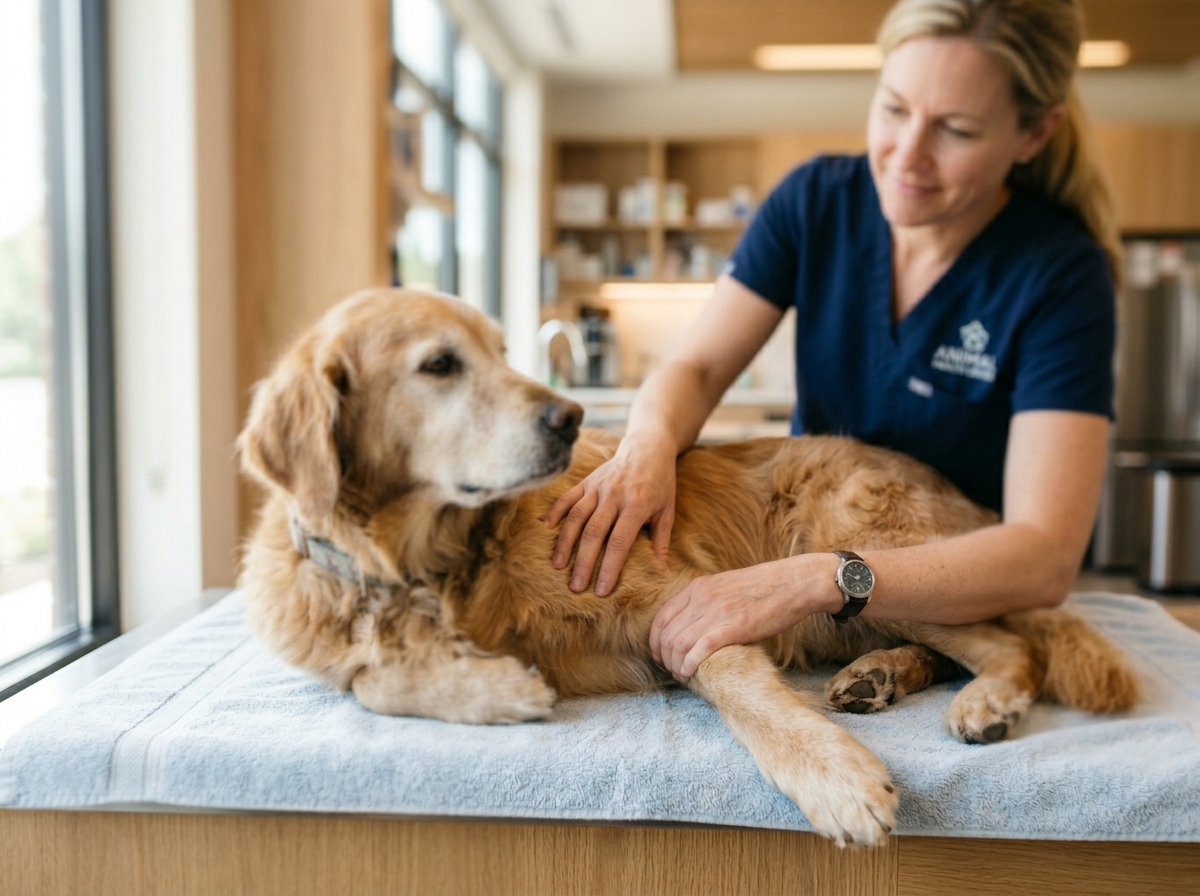
Cancer is one of the leading health concerns in dogs, especially as they age. While hearing the word “cancer” can be frightening, early detection can significantly improve treatment options and quality of life. Knowing the warning signs of cancer in dogs allows pet owners to seek veterinary care before the disease progresses.
In this guide, we’ll discuss the most common dog cancer warning signs, what types of cancer affect dogs, and when you should contact your veterinarian.
Why Early Detection Matters
Just like in humans, cancer can spread quickly in dogs if left untreated. Many forms of canine cancer respond better to treatment when diagnosed early. Regular veterinary checkups and paying attention to changes in your dog’s behavior and physical condition can make a significant difference.
1. Unusual Lumps or Bumps
One of the most common signs of cancer in dogs is the appearance of new lumps or bumps. While not every lump is cancerous, any growth that changes in size, shape, or texture should be evaluated by a veterinarian.
What to Watch For:
- Rapidly growing masses
- Hard or irregularly shaped lumps
- Sores that do not heal
- Growths that bleed or become inflamed
A simple biopsy or fine needle aspiration can often determine whether a lump is benign or malignant.
2. Unexplained Weight Loss
Sudden or gradual weight loss without changes in diet or exercise may indicate an underlying health issue, including cancer. Tumors can affect metabolism and appetite, causing dogs to lose weight unexpectedly.
If your dog is losing weight despite eating normally, schedule a veterinary examination.
3. Loss of Appetite
Many dogs with cancer experience a reduced interest in food. A persistent lack of appetite lasting more than a day or two should not be ignored, especially when combined with other symptoms.
Signs include:
- Refusing favorite treats
- Eating significantly less than usual
- Difficulty chewing or swallowing
4. Persistent Fatigue or Low Energy
Dogs naturally slow down as they age, but extreme lethargy can be a warning sign of illness. Cancer may cause weakness, discomfort, or anemia, leading to reduced activity levels.
Contact your veterinarian if your dog:
- Sleeps excessively
- Avoids walks or playtime
- Appears weak or depressed
5. Difficulty Breathing or Persistent Coughing
Certain cancers, particularly lung tumors, can affect breathing. A chronic cough, wheezing, or shortness of breath should always be investigated.
Symptoms may include:
- Labored breathing
- Frequent coughing
- Reduced exercise tolerance
- Noisy respiration
6. Changes in Bathroom Habits
Cancer affecting the digestive or urinary systems may cause noticeable changes in elimination patterns.
Possible warning signs:
- Blood in urine or stool
- Increased urination
- Difficulty urinating
- Chronic diarrhea
- Persistent constipation
7. Unpleasant Odors
Strong odors from the mouth, ears, or other body areas can sometimes indicate cancer. Oral tumors, for example, often produce foul-smelling breath and may cause bleeding gums.
8. Non-Healing Wounds
Sores or wounds that fail to heal despite treatment may signal skin cancer or another underlying condition.
Pay attention to:
- Persistent skin ulcers
- Recurrent infections
- Bleeding sores
- Irritated skin that does not improve
9. Pain or Difficulty Moving
Bone cancer and other cancers affecting muscles or joints can cause pain and mobility issues.
Warning signs include:
- Limping
- Stiffness
- Reluctance to jump
- Crying when touched
- Swelling around joints
These symptoms may resemble arthritis, making veterinary evaluation essential.
10. Swollen Lymph Nodes
Lymphoma is one of the most common cancers in dogs. Enlarged lymph nodes often appear as painless swellings beneath the jaw, in front of the shoulders, or behind the knees.
If you notice unusual swelling, seek veterinary advice promptly.
Common Types of Cancer in Dogs
Several cancers commonly affect dogs, including:
- Lymphoma
- Mast Cell Tumors
- Osteosarcoma (Bone Cancer)
- Melanoma
- Hemangiosarcoma
- Mammary Gland Tumors
- Lung Cancer
Each type presents differently, which is why regular monitoring is important.
When Should You See a Veterinarian?
You should contact your veterinarian if your dog experiences any of the following:
- New lumps or bumps
- Sudden weight loss
- Persistent coughing
- Loss of appetite
- Chronic fatigue
- Unexplained bleeding
- Difficulty breathing
- Ongoing pain
Even if symptoms seem minor, early evaluation can lead to earlier diagnosis and better treatment outcomes.
How to Reduce Cancer Risks in Dogs
While not all cancers are preventable, you can lower your dog’s risk by:
- Scheduling regular veterinary checkups
- Feeding a balanced, high-quality diet
- Maintaining a healthy weight
- Providing regular exercise
- Limiting exposure to harmful chemicals
- Spaying or neutering when appropriate
Final Thoughts
Recognizing dog cancer warning signs can help save your pet’s life. Changes in appetite, unexplained weight loss, unusual lumps, persistent fatigue, and difficulty breathing should never be ignored. The sooner cancer is diagnosed, the more treatment options may be available.
As a responsible pet owner, trust your instincts. If something seems unusual about your dog’s health or behavior, consult your veterinarian as soon as possible. Early action can make all the difference in your dog’s comfort, health, and longevity.