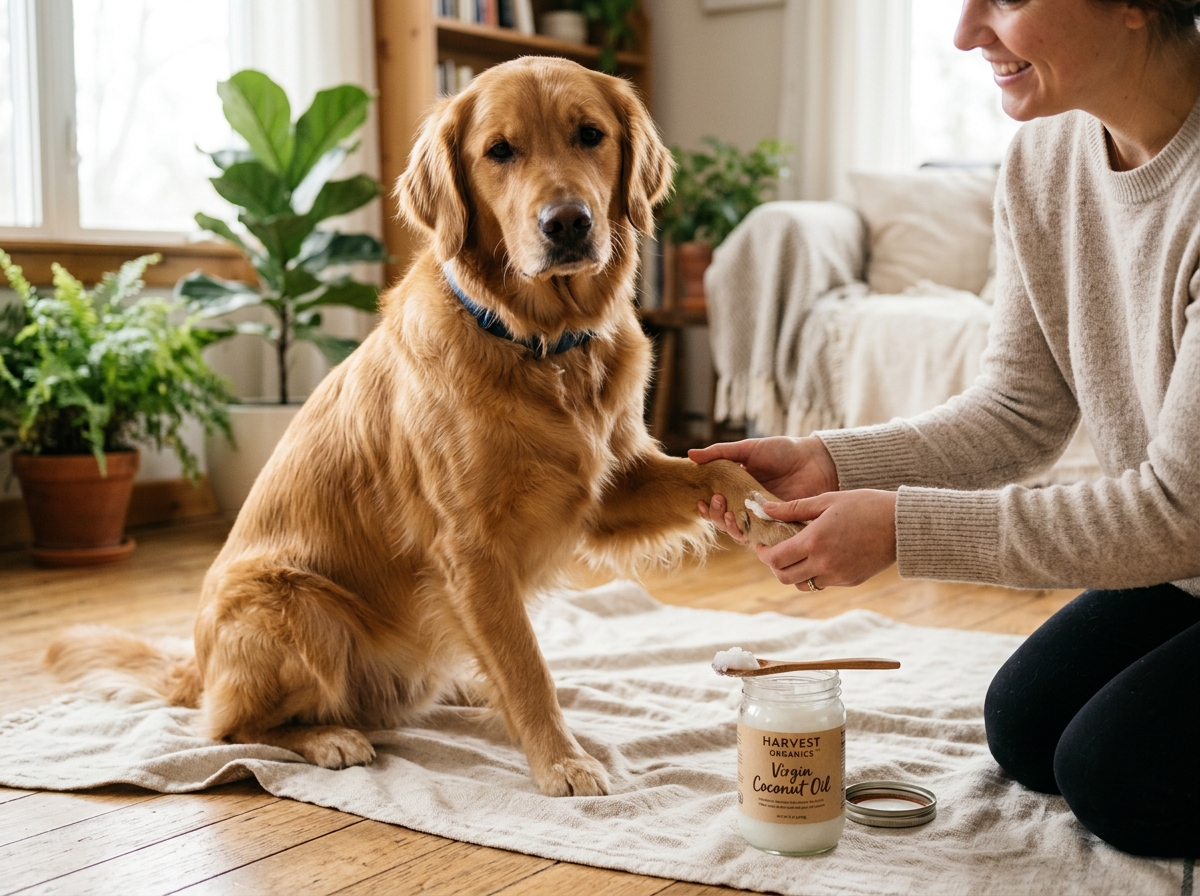
Coconut oil has become a popular natural supplement among pet owners, and many dog parents wonder whether it is safe and beneficial for their furry companions. The good news is that coconut oil can offer several health benefits when used correctly. However, like any supplement, it should be given in moderation and with proper understanding.
In this guide, we’ll explore the benefits of coconut oil for dogs, potential risks, and the best ways to use it safely.
What Is Coconut Oil?
Coconut oil is extracted from mature coconuts and is rich in medium-chain triglycerides (MCTs), including lauric acid, capric acid, and caprylic acid. These fatty acids are believed to provide various health benefits for both humans and dogs.
Benefits of Coconut Oil for Dogs
1. Supports Healthy Skin and Coat
One of the most common reasons dog owners use coconut oil is to improve skin health. Applying a small amount topically may help:
- Moisturize dry skin
- Reduce flakiness
- Soothe itching
- Promote a shinier coat
Dogs suffering from seasonal dryness or mild skin irritation may experience noticeable improvement with regular use.
2. May Help Fight Harmful Bacteria
Lauric acid, a major component of coconut oil, possesses antimicrobial properties. It may help combat certain bacteria, fungi, and viruses that can affect your dog’s skin and overall health.
3. Supports Digestive Health
Some dog owners report that coconut oil helps improve digestion and nutrient absorption. The MCTs found in coconut oil are easily digestible and can serve as a quick source of energy.
4. Boosts Energy Levels
Medium-chain fatty acids are metabolized differently from other fats, providing a readily available energy source. This may be particularly beneficial for active dogs.
5. May Support Cognitive Function
Research suggests that MCTs may provide an alternative energy source for the brain. Senior dogs experiencing age-related cognitive decline may potentially benefit from moderate supplementation, although more studies are needed.
How to Give Coconut Oil to Dogs
If you’re introducing coconut oil to your dog, start slowly to avoid digestive upset.
General guideline:
- Small dogs: ¼ teaspoon daily
- Medium dogs: ½ teaspoon daily
- Large dogs: 1 teaspoon daily
Mix it into your dog’s food and gradually increase the amount if tolerated.
Always consult your veterinarian before adding new supplements to your dog’s diet, especially if your pet has existing health conditions.
Topical Uses of Coconut Oil
Besides feeding it orally, coconut oil can also be applied directly to your dog’s skin and coat.
Common topical applications include:
- Dry paw pads
- Minor skin irritations
- Dry nose
- Dull coat
Massage a small amount into the affected area and allow it to absorb naturally.
Potential Risks and Side Effects
Although coconut oil is generally safe for dogs, excessive amounts may cause:
- Weight gain
- Diarrhea
- Stomach upset
- Increased calorie intake
Dogs with pancreatitis or a history of digestive issues may not be suitable candidates for coconut oil supplementation.
Monitor your dog closely whenever introducing any new dietary addition.
Choosing the Best Coconut Oil for Dogs
When shopping for coconut oil, look for:
- Organic coconut oil
- Virgin or extra-virgin coconut oil
- Cold-pressed products
- No artificial additives or preservatives
Higher-quality products typically retain more beneficial nutrients.
Frequently Asked Questions
Can dogs eat coconut oil every day?
Yes, many dogs can safely consume small amounts daily. However, moderation is essential to avoid digestive issues and unnecessary calorie intake.
Is coconut oil good for itchy dogs?
Coconut oil may help soothe dry, itchy skin when applied topically. It can also provide some moisturizing benefits.
Can puppies have coconut oil?
Puppies can generally have small amounts of coconut oil, but it’s best to consult your veterinarian first.
How long does it take to see results?
Some owners notice improvements in coat shine and skin condition within a few weeks of consistent use.
Final Thoughts
Coconut oil can be a valuable addition to your dog’s wellness routine when used responsibly. From supporting healthy skin and a shiny coat to potentially aiding digestion and energy levels, this natural supplement offers several benefits. However, every dog is different, so it’s important to introduce coconut oil gradually and consult your veterinarian before making significant dietary changes.
With proper use and moderation, coconut oil may help keep your furry friend healthy, comfortable, and looking their best.