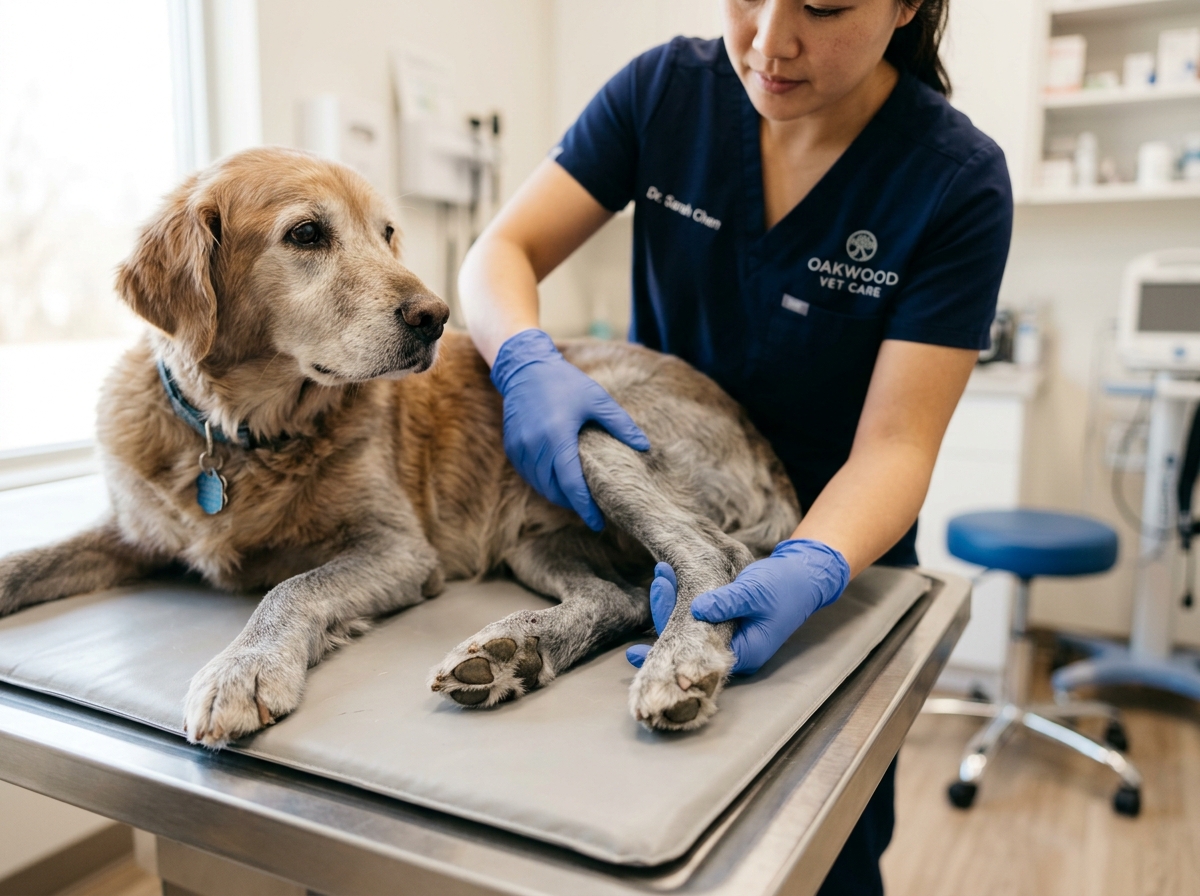
Arthritis is one of the most common health conditions affecting dogs, especially as they age. This painful joint disease can significantly reduce a dog’s mobility and quality of life if left untreated. Recognizing the early symptoms of arthritis can help pet owners seek veterinary care sooner and improve their furry friend’s comfort.
In this article, we’ll discuss the most common dog arthritis symptoms, what causes the condition, and how you can help your dog live a happier, more active life.
What Is Arthritis in Dogs?
Arthritis is a condition that causes inflammation and degeneration of the joints. Over time, the protective cartilage between bones wears down, leading to pain, stiffness, and reduced movement. While arthritis is more common in senior dogs, younger dogs can also develop it due to injuries, genetics, or joint abnormalities.
Common Dog Arthritis Symptoms
The symptoms of arthritis often develop gradually, making them easy to overlook at first. Watch for the following signs:
1. Limping or Favoring a Leg
One of the earliest signs of arthritis is limping, especially after exercise or long periods of rest. Your dog may avoid putting weight on a painful joint.
2. Difficulty Standing Up or Lying Down
Dogs with arthritis often struggle to get up after sleeping or resting. You may notice them moving slowly or appearing stiff when they first stand.
Image Suggestion

3. Reduced Activity Levels
If your once-energetic dog suddenly seems less interested in walks, playing fetch, or running around the yard, arthritis could be the cause.
4. Stiffness After Exercise
Arthritic dogs frequently experience stiffness after physical activity. The discomfort may become more noticeable the day after a long walk or active play session.
5. Difficulty Climbing Stairs or Jumping
Many dogs with arthritis avoid stairs, jumping onto furniture, or getting into the car because these movements put extra stress on their joints.
6. Changes in Behavior
Pain can affect your dog’s mood and personality. Some dogs become irritable, withdrawn, or less social when dealing with chronic joint pain.
Physical Signs of Arthritis
In addition to behavioral changes, there are several physical symptoms that may indicate arthritis:
- Swollen joints
- Muscle loss around affected limbs
- Reduced flexibility
- Unusual posture
- Reluctance to move
- Excessive licking of painful joints
Image Suggestion

What Causes Arthritis in Dogs?
Several factors can contribute to arthritis, including:
Aging
As dogs age, their joint cartilage naturally wears down, increasing the risk of arthritis.
Obesity
Excess body weight places additional stress on joints, accelerating cartilage damage.
Joint Injuries
Previous injuries such as ligament tears or fractures can lead to arthritis later in life.
Genetics
Certain breeds are more prone to joint problems and arthritis, including:
- Labrador Retrievers
- German Shepherds
- Golden Retrievers
- Rottweilers
- Great Danes
Hip and Elbow Dysplasia
These developmental joint disorders can increase the likelihood of arthritis developing over time.
When Should You See a Veterinarian?
If you notice any of the symptoms mentioned above, schedule a veterinary examination. Early diagnosis allows for better pain management and can slow the progression of the disease.
Your veterinarian may perform:
- Physical examinations
- X-rays
- Joint mobility assessments
- Blood tests to rule out other conditions
How Arthritis Is Treated
Although arthritis cannot be cured, several treatments can help manage symptoms:
Weight Management
Maintaining a healthy weight reduces pressure on painful joints.
Regular Low-Impact Exercise
Swimming and short walks can help maintain joint flexibility without causing excessive strain.
Joint Supplements
Many veterinarians recommend supplements containing:
- Glucosamine
- Chondroitin
- Omega-3 fatty acids
Pain Medications
Prescription anti-inflammatory medications can reduce pain and improve mobility.
Physical Therapy
Therapeutic exercises, massage, and hydrotherapy can help dogs remain active and comfortable.
Tips for Helping an Arthritic Dog at Home
You can make daily life easier for your dog by:
- Providing orthopedic bedding
- Using ramps instead of stairs
- Keeping nails trimmed
- Placing non-slip rugs on slippery floors
- Offering gentle daily exercise
Final Thoughts
Dog arthritis is a common but manageable condition. Recognizing early symptoms such as limping, stiffness, difficulty standing, and reduced activity levels can make a significant difference in your dog’s comfort and long-term health. With proper veterinary care, weight management, exercise, and supportive home adjustments, many dogs with arthritis continue to enjoy happy and fulfilling lives for years to come.