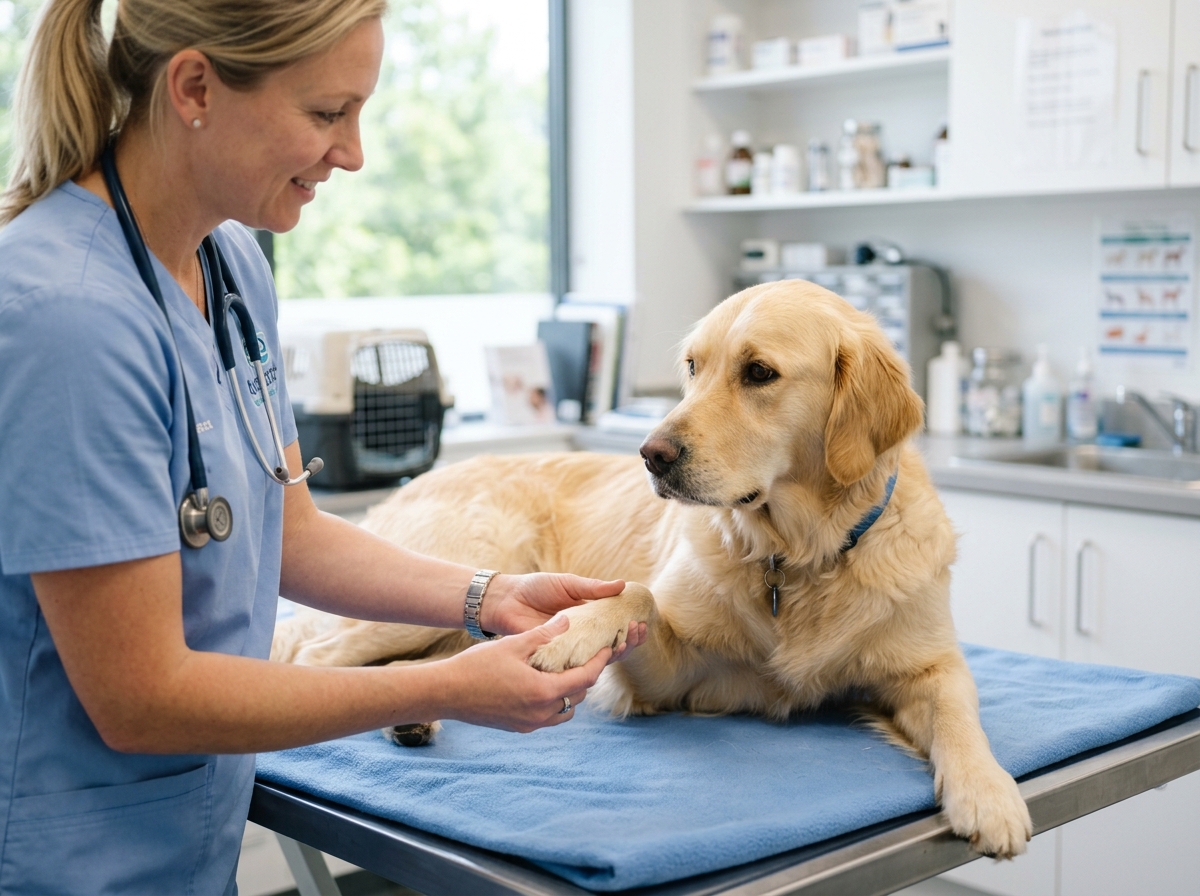
Diabetes is a common health condition that affects thousands of dogs worldwide. Just like humans, dogs can develop diabetes when their bodies cannot properly regulate blood sugar levels. Early detection is essential because untreated diabetes can lead to serious complications, including blindness, organ damage, and life-threatening emergencies.
Understanding the symptoms of diabetes in dogs can help you seek veterinary care before the condition becomes severe. In this article, we’ll explore the most common dog diabetes symptoms, causes, diagnosis, treatment options, and prevention tips.
What Is Diabetes in Dogs?
Diabetes mellitus is a chronic disease that occurs when a dog’s body either doesn’t produce enough insulin or cannot use insulin effectively. Insulin is a hormone responsible for helping glucose enter cells, where it is used for energy.
When insulin isn’t working properly, glucose remains in the bloodstream, causing high blood sugar levels that can damage the body over time.
Increased Thirst and Excessive Drinking

One of the earliest and most noticeable signs of diabetes in dogs is excessive thirst, also known as polydipsia. Dogs with diabetes often drink significantly more water than usual because their bodies are trying to flush excess sugar out of the bloodstream.
You may notice:
- Empty water bowls more frequently
- Increased trips to the water dish
- Constant searching for water sources
- Drinking from unusual places such as puddles or toilets
If your dog suddenly starts consuming much more water than normal, it’s worth discussing with your veterinarian.
Frequent Urination
As diabetic dogs drink more water, they naturally urinate more often. This symptom, known as polyuria, occurs because excess glucose is expelled through the urine.
Signs include:
- More frequent bathroom breaks
- Accidents inside the house
- Larger urine volumes
- Increased urgency to go outside
Frequent urination combined with excessive thirst is often a strong indicator of diabetes.
Unexplained Weight Loss
Despite eating normally—or sometimes even eating more—dogs with diabetes often lose weight. This happens because their bodies cannot properly use glucose for energy and begin breaking down fat and muscle instead.
Weight loss may occur gradually or rapidly, depending on the severity of the condition.
Increased Appetite
Many diabetic dogs experience a dramatic increase in hunger. Since their cells aren’t receiving enough glucose for energy, the body signals that it needs more food.
Common signs include:
- Constant begging for food
- Increased interest in treats
- Scavenging behavior
- Eating quickly and still appearing hungry
An increased appetite paired with weight loss is a particularly concerning combination.
Lethargy and Low Energy Levels

Dogs with diabetes often become less active and tire easily. Since their bodies can’t efficiently convert glucose into energy, they may appear weak or sluggish.
You may notice:
- Sleeping more than usual
- Reduced interest in walks
- Lack of enthusiasm during playtime
- General fatigue
Any sudden decrease in energy should be evaluated by a veterinarian.
Cloudy Eyes and Vision Problems
One of the most common complications of canine diabetes is cataract formation. High blood sugar levels can cause the lenses of the eyes to become cloudy, leading to vision impairment and even blindness.
Watch for:
- White or cloudy appearance in the eyes
- Difficulty navigating familiar spaces
- Bumping into furniture
- Reluctance to move around
Prompt treatment can help reduce the risk of severe vision problems.
Recurring Infections
Dogs with diabetes are more susceptible to infections because high blood sugar weakens the immune system.
Common infections include:
- Urinary tract infections
- Skin infections
- Ear infections
- Gum disease
If your dog experiences repeated infections, diabetes may be an underlying cause.
Vomiting and Loss of Appetite
In advanced cases, diabetic dogs may develop a serious condition called diabetic ketoacidosis (DKA). Symptoms can include:
- Vomiting
- Loss of appetite
- Weakness
- Dehydration
- Rapid breathing
This condition is a medical emergency and requires immediate veterinary attention.
What Causes Diabetes in Dogs?
Several factors can increase a dog’s risk of developing diabetes, including:
- Obesity
- Age (middle-aged and older dogs)
- Chronic pancreatitis
- Hormonal disorders
- Certain medications
- Genetic predisposition
Breeds such as Miniature Schnauzers, Poodles, Dachshunds, and Beagles may have a higher risk.
How Is Diabetes Diagnosed?
Veterinarians diagnose diabetes through:
- Physical examination
- Blood glucose testing
- Urinalysis
- Medical history review
Persistent high blood sugar levels and glucose in the urine are key indicators of diabetes.
Treatment Options for Diabetic Dogs
Although diabetes cannot usually be cured, it can often be managed successfully through:
Insulin Therapy
Most diabetic dogs require regular insulin injections.
Dietary Changes
A veterinarian may recommend a high-fiber, consistent diet designed to help regulate blood sugar.
Exercise
Regular physical activity can help improve insulin effectiveness and maintain a healthy weight.
Monitoring
Routine veterinary checkups and blood glucose monitoring are essential for long-term management.
Can Diabetes Be Prevented?
While not all cases can be prevented, you can reduce your dog’s risk by:
- Maintaining a healthy weight
- Providing regular exercise
- Feeding a balanced diet
- Scheduling routine veterinary exams
- Addressing health issues promptly
When to See a Veterinarian
If your dog shows any combination of excessive thirst, frequent urination, weight loss, increased appetite, lethargy, or cloudy eyes, schedule a veterinary appointment as soon as possible. Early diagnosis and treatment can significantly improve your dog’s quality of life and help prevent serious complications.
Conclusion
Dog diabetes is a serious but manageable condition when detected early. Excessive thirst, frequent urination, weight loss, increased hunger, fatigue, and cloudy eyes are among the most common warning signs. By recognizing these symptoms and seeking veterinary care promptly, you can help your furry companion live a healthier and happier life.
Pay close attention to changes in your dog’s behavior and health. Early intervention remains the best defense against the complications of canine diabetes.