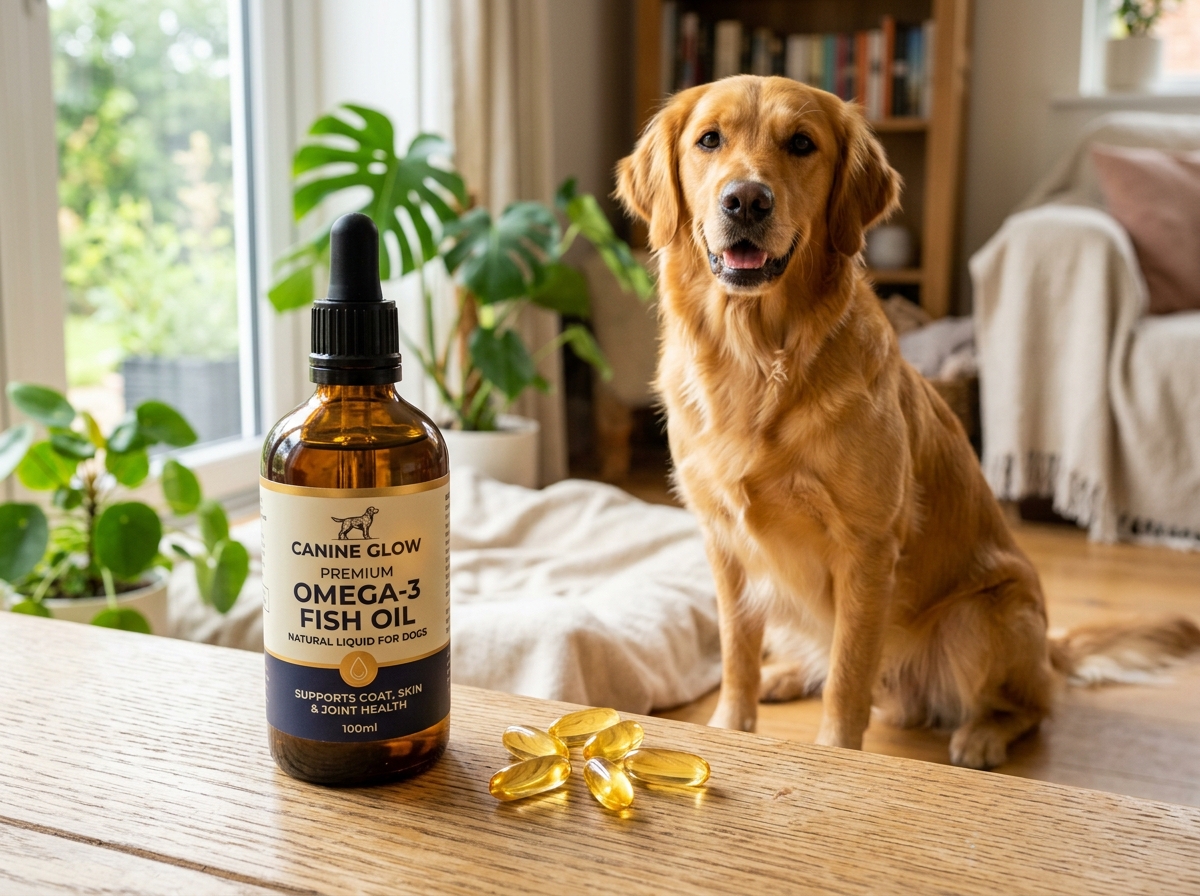
Fish oil is one of the most popular supplements for dogs, and for good reason. Rich in omega-3 fatty acids, fish oil can support your dog’s skin, coat, joints, heart, brain, and overall well-being. Whether you have a playful puppy, an active adult dog, or a senior companion, adding fish oil to their diet may provide several health benefits.
In this guide, we’ll explore the benefits of fish oil for dogs, recommended dosage, potential side effects, and how to choose the best fish oil supplement for your furry friend.
What Is Fish Oil?
Fish oil is extracted from fatty fish such as salmon, sardines, mackerel, anchovies, and herring. It contains essential omega-3 fatty acids, primarily:
- EPA (Eicosapentaenoic Acid)
- DHA (Docosahexaenoic Acid)
These nutrients help reduce inflammation and support various bodily functions in dogs.
Benefits of Fish Oil for Dogs
1. Improves Skin and Coat Health
One of the most noticeable benefits of fish oil is healthier skin and a shinier coat. Dogs suffering from dry skin, excessive shedding, or itching may experience significant improvement when given fish oil regularly.

Benefits include:
- Reduced itching and scratching
- Less dandruff
- Improved coat shine
- Reduced seasonal skin irritation
2. Supports Joint Health
Fish oil has natural anti-inflammatory properties that can help dogs suffering from arthritis and joint discomfort.
Dogs with joint issues may experience:
- Improved mobility
- Reduced stiffness
- Better comfort during daily activities
- Enhanced quality of life
This benefit is especially valuable for senior dogs and large breeds prone to joint problems.
3. Promotes Heart Health
Omega-3 fatty acids may support cardiovascular health by helping maintain healthy blood circulation and reducing inflammation throughout the body.
Potential heart-related benefits include:
- Support for healthy blood pressure
- Improved circulation
- Better cardiovascular function
4. Enhances Brain Development and Cognitive Function
DHA plays a critical role in brain development, making fish oil particularly beneficial for puppies.
Older dogs may also benefit through:
- Improved cognitive function
- Better memory support
- Enhanced mental alertness
5. Supports Immune System Function
Omega-3 fatty acids help regulate immune responses and may support overall immune health.
A stronger immune system can help your dog maintain better overall wellness and resilience.
Fish Oil Dosage for Dogs
The appropriate dosage depends on your dog’s size, weight, and health condition.
General guideline:
| Dog Weight | Daily Fish Oil Amount |
|---|---|
| Under 20 lbs | 250-500 mg |
| 20-50 lbs | 500-1,000 mg |
| 50-100 lbs | 1,000-2,000 mg |
| Over 100 lbs | Consult your veterinarian |
Always follow the manufacturer’s recommendations and consult your veterinarian before starting any supplement.
Choosing the Best Fish Oil for Dogs
Look for High-Quality Ingredients
When selecting a fish oil supplement, consider:
- Wild-caught fish sources
- Third-party testing
- Low mercury content
- Clearly labeled EPA and DHA amounts
Avoid Artificial Additives
Choose products that are free from:
- Artificial preservatives
- Unnecessary fillers
- Artificial flavors and colors

Consider the Form
Fish oil supplements are available in several forms:
- Liquid fish oil
- Soft gel capsules
- Chewable treats
- Pump bottles
Select the option that best suits your dog’s preferences and your feeding routine.
Potential Side Effects of Fish Oil
Fish oil is generally safe when used correctly, but excessive amounts may cause:
- Upset stomach
- Diarrhea
- Fishy breath
- Weight gain from extra calories
In rare cases, excessive supplementation may interfere with blood clotting. Always stick to recommended dosages.
Can Dogs Eat Fish Instead?
Yes, many dogs can safely eat cooked fish. Salmon, sardines, and mackerel naturally contain omega-3 fatty acids.
However:
- Avoid raw fish when possible.
- Remove all bones.
- Avoid heavily seasoned fish.
- Cook thoroughly before serving.
Fish can be a healthy addition to your dog’s diet but may not always provide consistent omega-3 levels compared to supplements.
When Should You Give Fish Oil to Your Dog?
Fish oil may be particularly beneficial if your dog has:
- Dry or itchy skin
- Excessive shedding
- Arthritis or joint pain
- Heart concerns
- Cognitive decline due to aging
- Inflammatory conditions
Your veterinarian can help determine whether fish oil is appropriate for your dog’s specific needs.
Conclusion
Fish oil is a valuable supplement that can support your dog’s skin, coat, joints, heart, brain, and immune system. When given in the proper dosage and sourced from high-quality products, fish oil can contribute to a healthier and happier life for your canine companion.
Before introducing any supplement, consult your veterinarian to ensure it is suitable for your dog’s age, size, and overall health. With proper use, fish oil can become a simple yet effective addition to your dog’s wellness routine.