As a dog owner, one of the most important aspects of keeping your furry friend healthy is ensuring they receive the right amount of calories every day. Feeding too little can lead to nutritional deficiencies and weight loss, while feeding too much may cause obesity and related health problems. Understanding your dog’s calorie requirements can help maintain their ideal weight, energy levels, and overall well-being.
Why Do Dogs Need Calories?
Calories provide the energy dogs need for essential bodily functions such as breathing, digestion, circulation, and physical activity. Just like humans, dogs require a balanced intake of calories from proteins, fats, and carbohydrates to stay healthy and active.
Factors That Affect a Dog’s Calorie Needs
Every dog is unique, and several factors influence how many calories they need daily:
1. Age
- Puppies require more calories because they are growing rapidly.
- Adult dogs need calories for maintenance and daily activities.
- Senior dogs often need fewer calories due to reduced activity levels.
2. Size and Weight
Larger dogs generally require more calories than smaller dogs. However, calorie needs are not determined by weight alone.
3. Activity Level
Highly active dogs, working dogs, and sporting breeds burn more calories than dogs that spend most of their day indoors.
4. Health Conditions
Certain medical conditions, medications, and recovery from illness or surgery can affect a dog’s caloric requirements.
5. Reproductive Status
Pregnant and nursing dogs need significantly more calories to support themselves and their puppies.
Daily Calorie Requirements by Dog Weight
The following table provides a general estimate for moderately active adult dogs:
| Dog Weight | Daily Calories |
|---|---|
| 5 lbs (2.3 kg) | 180–220 calories |
| 10 lbs (4.5 kg) | 250–350 calories |
| 20 lbs (9 kg) | 450–550 calories |
| 30 lbs (13.6 kg) | 650–800 calories |
| 40 lbs (18 kg) | 800–950 calories |
| 50 lbs (22.7 kg) | 950–1,150 calories |
| 70 lbs (31.8 kg) | 1,200–1,500 calories |
| 90 lbs (40.8 kg) | 1,500–1,800 calories |
These numbers are only guidelines. Individual dogs may require more or fewer calories depending on their lifestyle and health.
How to Calculate Your Dog’s Calorie Needs
Veterinarians often use the Resting Energy Requirement (RER) formula:
RER = 70 × (Body Weight in kg)^0.75
Once the RER is calculated, it is multiplied by an activity factor:
- Neutered adult: RER × 1.6
- Intact adult: RER × 1.8
- Weight loss: RER × 1.0
- Weight gain: RER × 1.7
- Active working dog: RER × 2–5
This calculation provides a more accurate estimate tailored to your dog’s specific needs.
Signs Your Dog May Be Eating Too Much
Overfeeding can lead to obesity, which increases the risk of diabetes, arthritis, heart disease, and other health issues. Signs include:
- Excessive weight gain
- Difficulty feeling the ribs
- Reduced energy levels
- Shortness of breath during exercise
- Loss of a visible waistline
Signs Your Dog May Not Be Getting Enough Calories
Underfeeding can also be harmful. Watch for:
- Weight loss
- Visible ribs and bones
- Low energy
- Dull coat
- Muscle loss
If you notice these signs, consult your veterinarian to adjust your dog’s diet.
Tips for Managing Your Dog’s Calorie Intake
Follow these practical tips to keep your dog at a healthy weight:
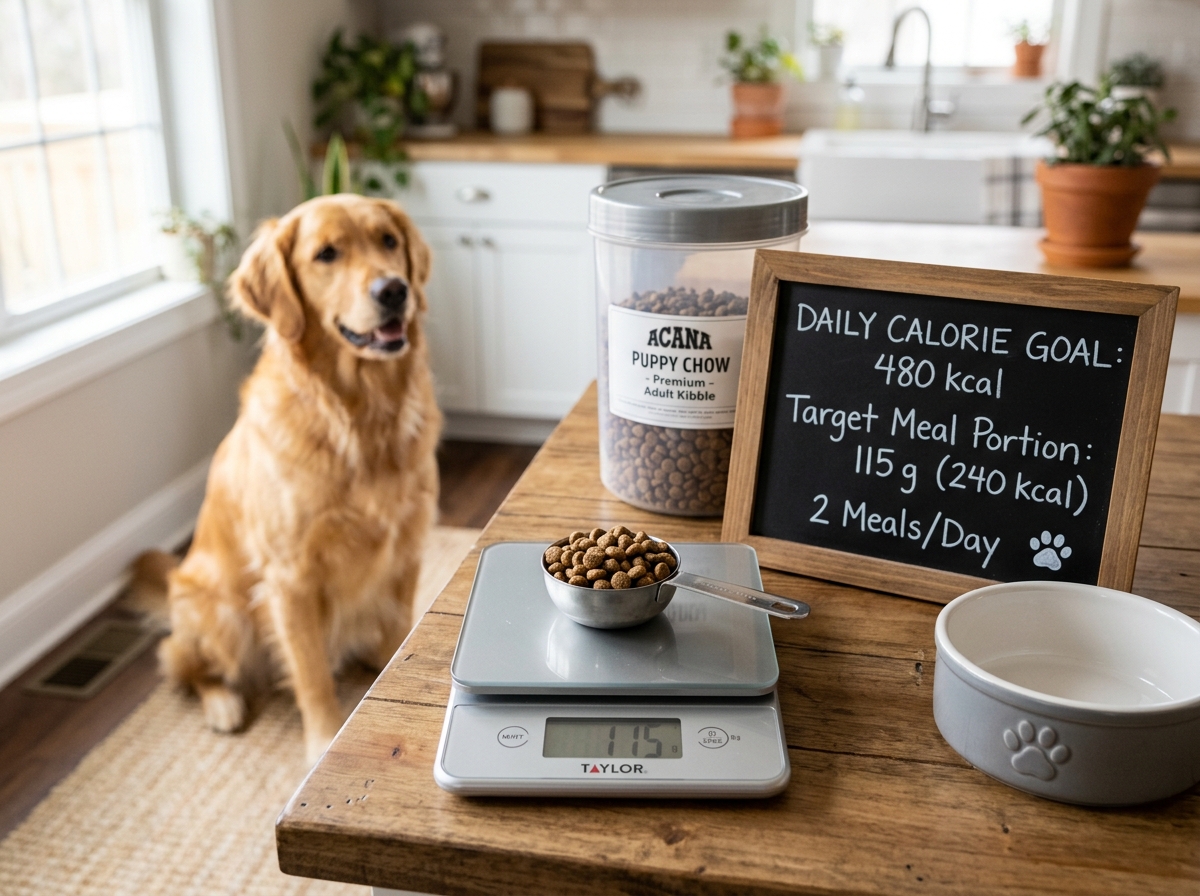
- Measure food portions accurately.
- Limit treats to no more than 10% of daily calories.
- Choose high-quality dog food with balanced nutrition.
- Monitor your dog’s weight regularly.
- Adjust food intake based on activity level.
- Schedule routine veterinary checkups.
Calories in Common Dog Treats
Many dog owners forget to account for treats when calculating daily calorie intake.
- Small training treat: 2–5 calories
- Dog biscuit: 20–50 calories
- Dental chew: 50–150 calories
- Peanut butter (1 tablespoon): Approximately 90 calories
Always include treats in your dog’s total daily calorie count.
Conclusion
Knowing how many calories your dog needs is essential for maintaining their health, happiness, and longevity. Factors such as age, weight, activity level, and health status all play a role in determining the ideal calorie intake. By monitoring your dog’s weight and adjusting their diet accordingly, you can help ensure they live a long and active life.
When in doubt, consult your veterinarian for personalized feeding recommendations based on your dog’s unique needs.