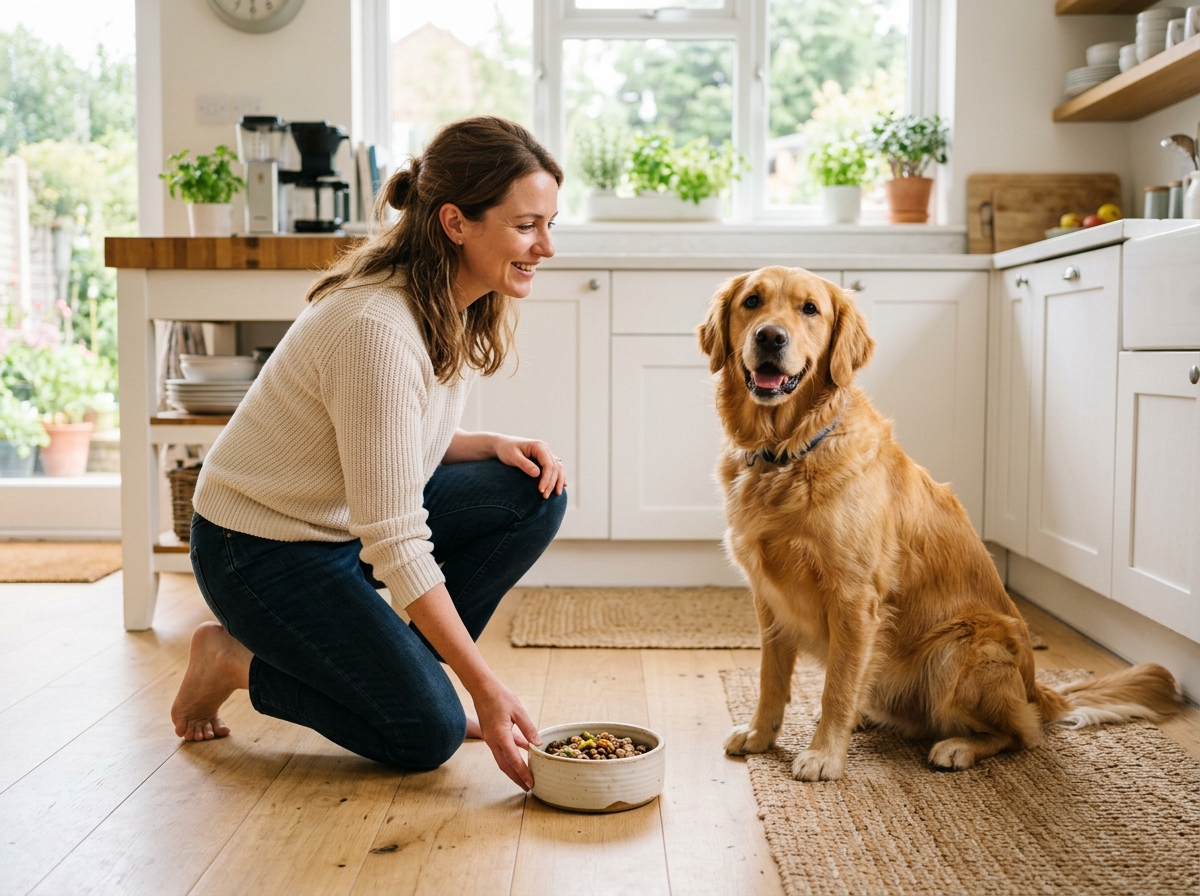
Feeding your dog the right amount of food is one of the most important parts of keeping them healthy. Overfeeding can lead to obesity and health problems, while underfeeding can cause nutritional deficiencies and low energy levels. A dog feeding chart by weight helps pet owners determine how much food their furry friend needs daily.
In this guide, you’ll learn how much to feed your dog based on weight, age, activity level, and other important factors.
Why Dog Weight Matters When Feeding
A dog’s weight is one of the biggest factors in determining its daily food requirements. Larger dogs require more calories and nutrients than smaller breeds. However, activity level, metabolism, age, and overall health also influence how much food your dog should eat.
Factors That Affect Feeding Amounts
- Dog’s weight
- Age (puppy, adult, senior)
- Activity level
- Breed size
- Health conditions
- Type of food (dry, wet, raw, homemade)
Dog Feeding Chart by Weight
The following chart provides general feeding guidelines for adult dogs eating dry kibble. Always check your dog food packaging for specific recommendations.
| Dog Weight | Daily Food Amount |
|---|---|
| 5–10 lbs (2–4.5 kg) | ½ – 1 cup |
| 10–20 lbs (4.5–9 kg) | 1 – 1½ cups |
| 20–30 lbs (9–14 kg) | 1½ – 2 cups |
| 30–40 lbs (14–18 kg) | 2 – 2½ cups |
| 40–60 lbs (18–27 kg) | 2½ – 3½ cups |
| 60–80 lbs (27–36 kg) | 3½ – 4½ cups |
| 80–100 lbs (36–45 kg) | 4½ – 5½ cups |
| 100+ lbs (45+ kg) | 5½ – 8 cups |
Note: Feeding amounts may vary depending on the calorie content of your dog food.
Puppy Feeding Chart by Weight
Puppies require more calories than adult dogs because they are growing rapidly. Most puppies should be fed three to four meals per day.
| Puppy Weight | Daily Food Amount |
|---|---|
| 2–5 lbs | ½ – 1 cup |
| 5–10 lbs | 1 – 1½ cups |
| 10–20 lbs | 1½ – 2½ cups |
| 20–40 lbs | 2½ – 4 cups |
| 40–60 lbs | 4 – 5 cups |
Consult your veterinarian to ensure your puppy receives the proper nutrition during growth stages.
How Often Should You Feed Your Dog?
Most adult dogs thrive on two meals per day. Puppies require more frequent feedings, while some senior dogs may benefit from smaller meals spread throughout the day.
Recommended Feeding Schedule
- Puppies (8–12 weeks): 4 meals daily
- Puppies (3–6 months): 3 meals daily
- Puppies (6–12 months): 2–3 meals daily
- Adult Dogs: 2 meals daily
- Senior Dogs: 2–3 smaller meals daily
Signs You’re Feeding the Right Amount
Your dog should maintain a healthy body condition if you’re feeding the correct amount.
Healthy Weight Indicators
- Visible waist when viewed from above
- Ribs can be felt but not seen prominently
- Good energy levels
- Shiny coat
- Normal digestion
Signs of Overfeeding
- Weight gain
- Difficulty exercising
- Excessive body fat
- Frequent begging
Signs of Underfeeding
- Visible ribs and bones
- Low energy
- Weight loss
- Poor coat condition
Dry Food vs. Wet Food Feeding
Different food types contain varying calorie levels.
Dry Food
- More calorie-dense
- Easier to measure
- Better for dental health
Wet Food
- Higher moisture content
- Often more appealing to picky eaters
- Usually requires larger portions
If you combine wet and dry food, adjust portions to avoid overfeeding.
Tips for Accurate Feeding
- Use a measuring cup.
- Follow food package guidelines.
- Monitor your dog’s weight monthly.
- Adjust portions based on activity levels.
- Provide fresh water at all times.
- Limit treats to less than 10% of daily calories.
Frequently Asked Questions
Can I Feed My Dog Once a Day?
Most veterinarians recommend feeding adult dogs twice daily to support digestion and maintain steady energy levels.
How Do I Know If My Dog Is Hungry?
Occasional begging doesn’t always indicate hunger. Watch for weight loss, increased activity, or changes in body condition before increasing portions.
Should Active Dogs Eat More?
Yes. Working, sporting, and highly active dogs typically require more calories than less active pets.
Conclusion
A dog feeding chart by weight is an excellent starting point for determining how much food your dog needs each day. Remember that every dog is unique, and factors such as age, activity level, breed, and health status can affect feeding requirements. Monitor your dog’s body condition regularly and consult your veterinarian for personalized feeding recommendations.
By providing the correct portion sizes and a balanced diet, you’ll help your dog maintain a healthy weight, stay energetic, and enjoy a longer, happier life.