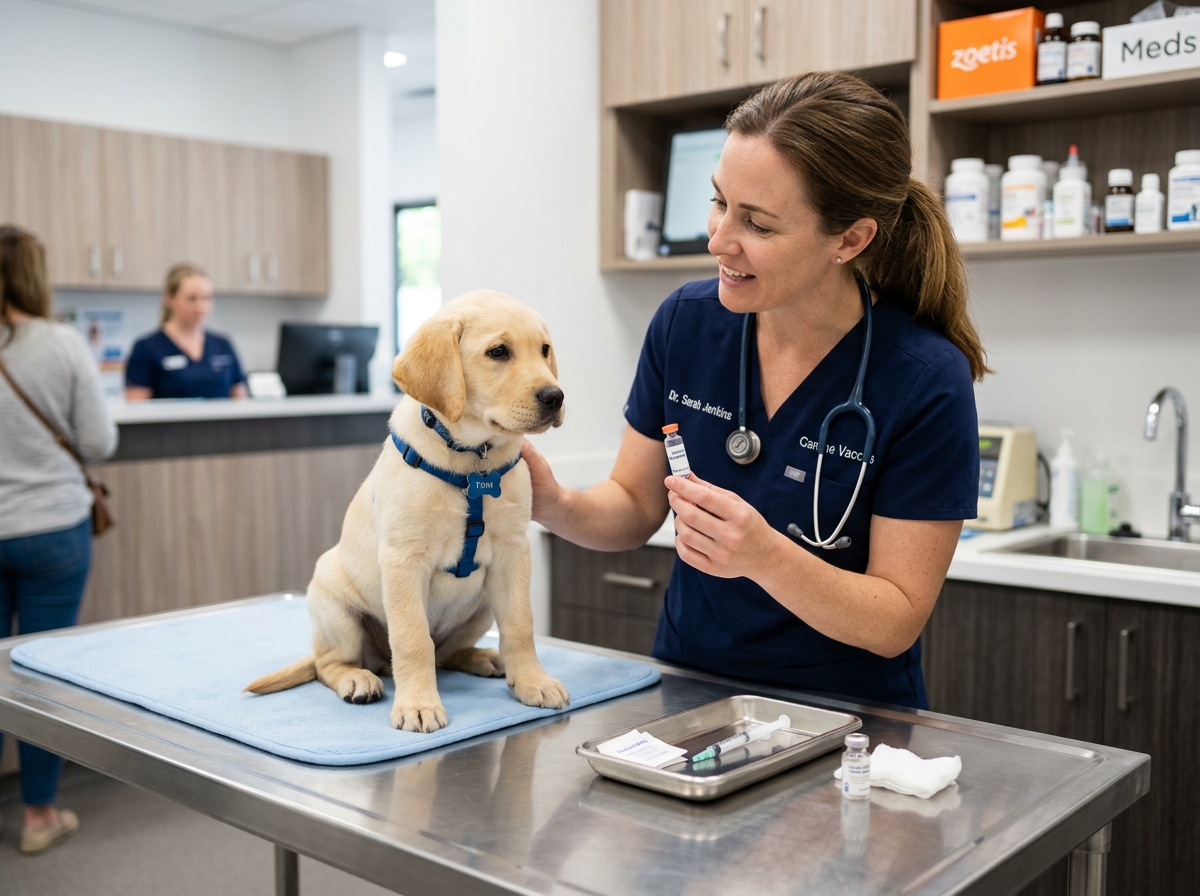
Bringing home a new puppy is an exciting experience, but keeping your furry friend healthy should be a top priority. Vaccinations play a crucial role in protecting puppies from dangerous and potentially fatal diseases. Understanding the proper puppy vaccination schedule helps ensure your pet develops strong immunity during the most vulnerable stages of life.
In this guide, we’ll cover the recommended vaccination timeline, core and non-core vaccines, and tips for keeping your puppy safe and healthy.
Why Are Puppy Vaccinations Important?
Puppies are born with some immunity from their mother’s milk, but this protection gradually fades over time. As their natural immunity decreases, they become vulnerable to infectious diseases. Vaccinations help strengthen their immune system by teaching their bodies how to fight specific illnesses.
Benefits of puppy vaccinations include:
- Protection against life-threatening diseases
- Reduced risk of disease outbreaks
- Improved overall health and longevity
- Compliance with local pet regulations
- Safer interactions with other pets and people
Common Diseases Prevented by Vaccinations


Vaccines protect puppies from several serious diseases, including:
Canine Distemper
A highly contagious viral disease affecting the respiratory, gastrointestinal, and nervous systems.
Parvovirus
A severe virus that causes vomiting, diarrhea, dehydration, and can be fatal if untreated.
Canine Hepatitis
An infectious disease that affects the liver, kidneys, and eyes.
Rabies
A deadly viral disease that affects the nervous system and can spread to humans.
Parainfluenza
A respiratory virus commonly associated with kennel cough.
Leptospirosis
A bacterial infection that can affect both dogs and humans.
Recommended Puppy Vaccination Schedule
Most veterinarians follow a vaccination schedule that begins when puppies are around 6 to 8 weeks old.
| Puppy Age | Recommended Vaccinations |
|---|---|
| 6–8 Weeks | Distemper, Parvovirus, Adenovirus, Parainfluenza (DHPP) |
| 10–12 Weeks | Second DHPP Booster |
| 14–16 Weeks | Third DHPP Booster, Rabies Vaccine |
| 12–16 Weeks | Leptospirosis (if recommended) |
| 12–16 Weeks | Bordetella (if exposure risk exists) |
| 1 Year | Booster Vaccinations |
Always consult your veterinarian because vaccine recommendations may vary depending on your location and your puppy’s lifestyle.
Core vs. Non-Core Vaccines
Core Vaccines
Core vaccines are recommended for all puppies regardless of breed or lifestyle.
They include:
- Distemper
- Parvovirus
- Adenovirus (Hepatitis)
- Rabies
Non-Core Vaccines
Non-core vaccines are recommended based on your puppy’s environment and risk factors.
Examples include:
- Bordetella
- Leptospirosis
- Lyme Disease
- Canine Influenza
Your veterinarian can determine which non-core vaccines are appropriate for your puppy.
What to Expect After Vaccination


Most puppies experience only mild side effects after vaccination.
Common reactions include:
- Mild tiredness
- Temporary loss of appetite
- Slight swelling at the injection site
- Mild fever
These symptoms usually disappear within 24–48 hours.
Contact your veterinarian immediately if your puppy experiences:
- Difficulty breathing
- Severe swelling
- Persistent vomiting
- Collapse or weakness
Tips for Puppy Owners During the Vaccination Period
While your puppy is completing its vaccine series, take extra precautions:
Avoid High-Risk Areas
Do not take your puppy to dog parks or areas with unknown dogs until vaccinations are complete.
Follow Booster Appointments
Missing booster shots can leave gaps in your puppy’s immunity.
Keep Veterinary Records
Maintain a vaccination record for future veterinary visits, travel, and boarding requirements.
Provide Proper Nutrition
A balanced diet supports a healthy immune system and overall development.
Frequently Asked Questions
When Can Puppies Go Outside After Vaccinations?
Puppies can go outside for controlled walks, but it is safest to avoid public dog areas until at least one to two weeks after their final vaccine booster.
Is the Rabies Vaccine Required?
In most regions, rabies vaccination is legally required due to its risk to both animals and humans.
How Often Do Adult Dogs Need Vaccines?
Many vaccines require boosters every one to three years, depending on the vaccine type and veterinary recommendations.
Conclusion
Following a proper puppy vaccination schedule is one of the most important responsibilities of pet ownership. Vaccines protect puppies from serious diseases and help them grow into healthy adult dogs. By working closely with your veterinarian and staying on schedule, you can provide your puppy with the best possible start in life.
A vaccinated puppy is not only healthier but also safer for your family, other pets, and the community.