Bringing home a new puppy is an exciting experience, but it also comes with important responsibilities. One of the most essential aspects of puppy care is grooming. Regular grooming keeps your puppy looking adorable while also supporting their overall health and well-being. By starting grooming routines early, you can help your puppy become comfortable with handling, making future grooming sessions stress-free.
Why Puppy Grooming Is Important
Grooming is much more than keeping your puppy clean. It helps prevent skin problems, reduces shedding, detects health issues early, and strengthens the bond between you and your furry friend. Regular grooming sessions also allow you to check for fleas, ticks, lumps, or other abnormalities that may require veterinary attention.
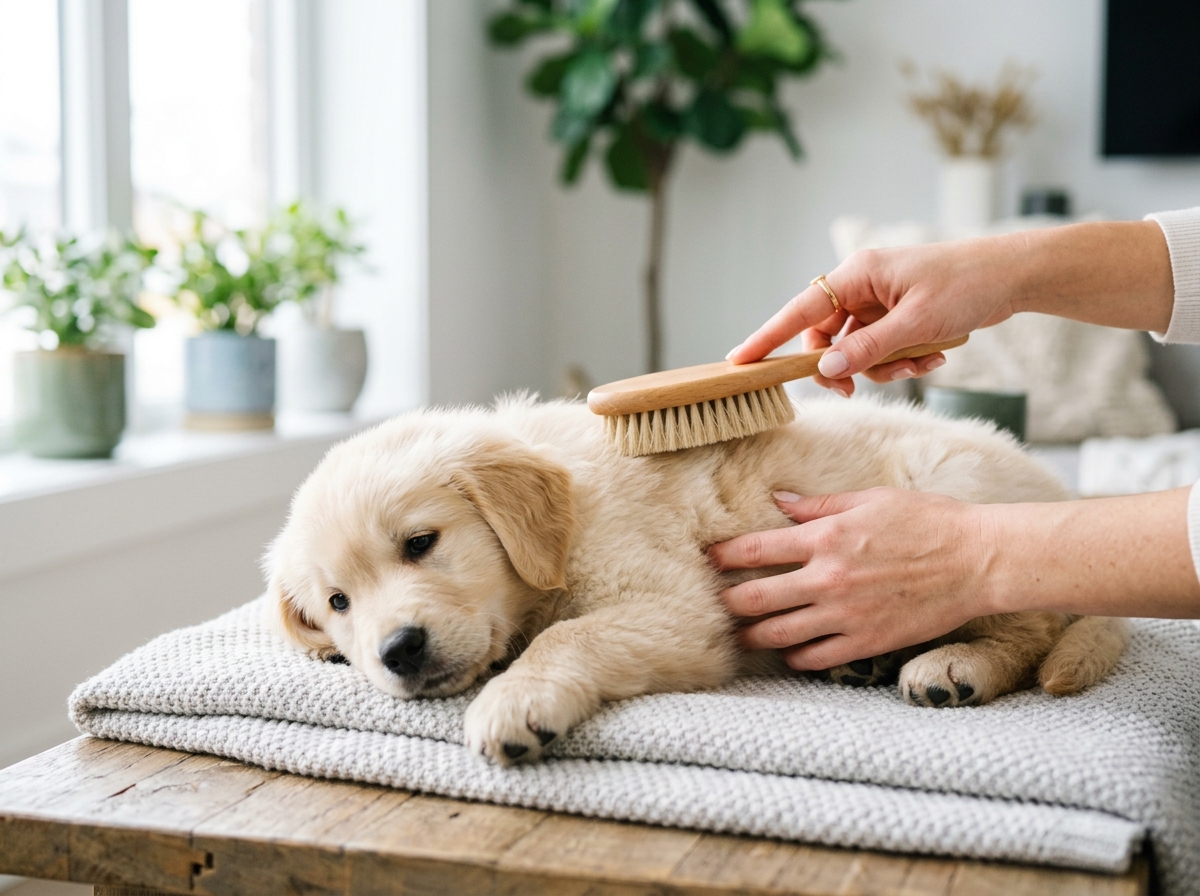
Brushing Your Puppy’s Coat

Brushing is one of the first grooming habits every puppy should learn. The frequency of brushing depends on your puppy’s coat type:
- Short-haired breeds: Brush once or twice a week.
- Medium-haired breeds: Brush several times a week.
- Long-haired breeds: Daily brushing may be necessary to prevent tangles and mats.
Use a soft-bristle brush or a grooming tool designed specifically for puppies. Keep sessions short and reward your puppy with treats and praise to create positive associations.
Bathing Basics
Puppies do not need frequent baths unless they become particularly dirty. Overbathing can strip natural oils from their skin, leading to dryness and irritation.
Bathing Tips:
- Use a puppy-specific shampoo.
- Brush the coat before bathing.
- Use lukewarm water.
- Avoid getting water in the ears and eyes.
- Dry thoroughly with a towel after the bath.
Most puppies only need a bath every 4–6 weeks unless recommended otherwise by a veterinarian.
Nail Trimming and Paw Care
Keeping your puppy’s nails trimmed is important for comfort and mobility. Long nails can cause pain and affect how your puppy walks.
Tips for Nail Trimming:
- Use pet nail clippers or a grinder.
- Trim only the tip of the nail.
- Avoid cutting into the quick (the sensitive inner part).
- Reward your puppy after each trimming session.
Regularly inspect your puppy’s paws for cuts, debris, or signs of irritation.
Ear Cleaning and Dental Care

Ear Care
Check your puppy’s ears weekly for redness, odor, or excessive wax buildup. Use a veterinarian-approved ear-cleaning solution when necessary. Never insert cotton swabs deep into the ear canal.
Dental Care
Dental hygiene should begin early. Brush your puppy’s teeth several times a week using a dog-safe toothbrush and toothpaste. Human toothpaste should never be used on dogs.
Benefits of regular dental care include:
- Fresher breath
- Reduced plaque buildup
- Lower risk of gum disease
- Improved overall health
Introducing Grooming Gradually
The key to successful puppy grooming is patience. Start handling your puppy’s paws, ears, mouth, and body from an early age. Keep sessions short, positive, and rewarding.
Helpful Training Tips:
- Use treats as rewards.
- Speak calmly and reassuringly.
- End sessions on a positive note.
- Increase grooming time gradually.
This approach helps your puppy view grooming as a normal and enjoyable experience.
Common Grooming Mistakes to Avoid
Many new puppy owners make simple grooming mistakes, including:
- Bathing too frequently
- Using human grooming products
- Ignoring dental care
- Neglecting nail trims
- Forcing grooming when the puppy is fearful
Avoiding these mistakes can make grooming safer and more enjoyable for both you and your puppy.
When to Visit a Professional Groomer
While many grooming tasks can be handled at home, professional groomers can be helpful for breeds with complex coat types or owners who are unsure about certain grooming procedures.
Consider professional grooming if:
- Your puppy has a thick or curly coat.
- Matting becomes difficult to manage.
- Nail trimming causes anxiety.
- You need breed-specific grooming styles.
Final Thoughts
Establishing a grooming routine early in your puppy’s life sets the foundation for lifelong health and comfort. Regular brushing, bathing, nail trimming, ear cleaning, and dental care all contribute to a happy and healthy dog. With patience, consistency, and positive reinforcement, grooming can become a rewarding experience that strengthens the bond between you and your puppy.